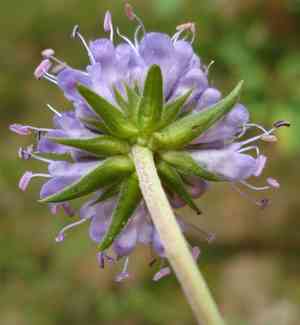
Devilsbit (Succisa pratensis)
Also known as: Devil's-bit Scabious, Blue Buttons
Devilsbit (Succisa pratensis) is a perennial herb that reaches heights of 30 to 100 cm. The flowers of this plant are predominantly blue or violet. It is indigenous to Europe and is commonly grazed by cattle.
In This Article
Attributes of Devilsbit
Lifespan
Perennial, Annual
Plant Type
Herb
Plant Height
1 m
Spread
30 cm to 40 cm
Leaf Color
Green
Flower Size
2 cm to 3 cm
Flower Color
Purple Violet White Pink Blue
Images of Devilsbit
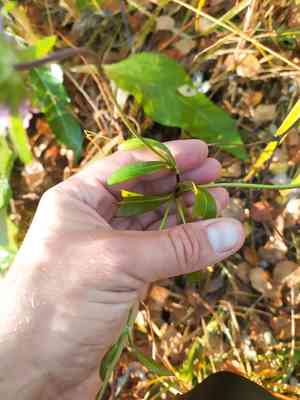
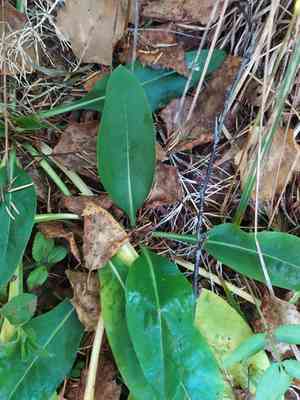
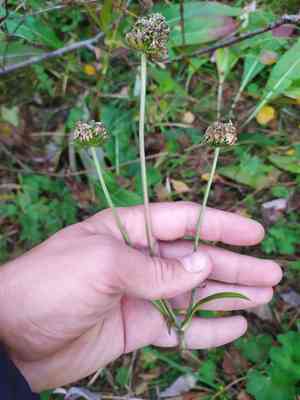
Quickly Identify Devilsbit
1
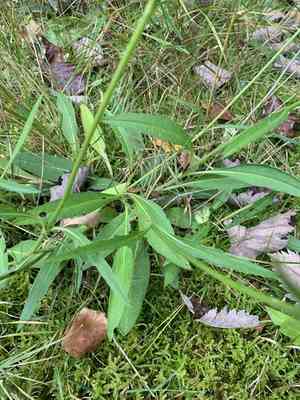
Look for its dense, rounded flower heads on long stems. The stems are usually hairless, and the leaves are lanceolate, with a rosette of basal leaves.
Scientific Classification of Devilsbit
Phylum
Vascular plants
Class
Dicotyledons
Order
Dipsacales
Family
Honeysuckle
Genus
Succisa
Species
Devilsbit
Planting and Growing of Devilsbit
Care Difficulty
Easy
Watering Schedule
Every 2 days
Sunlight Requirements
Full sun
Sunshine Duration
4-8 hours
Ideal Temperature
60-75℉
Soil Type
Potting Mix, Peat Mix
Soil pH
6.5-7.5
Fertilizer Type
Balanced
Pruning Season
Spring, Summer
Pruning Area
Branches, Leaves
Pruning Frequency
2 times a year
Repotting Season
Spring
Pot Type
Plastic, Ceramic
 How to Water Devilsbit?
Succisa pratensis thrives when its soil is kept consistently moist but not waterlogged. During watering, provide approximately 500 milliliters of water each session. The soil should feel damp to the touch about an hour after watering but should never sit in a puddle of water.
What are the symptoms of an underwatered Devilsbit?
›
What should I do if my Devilsbit is not getting enough water?
›
What are the symptoms of an overwatered Devilsbit?
›
How to save an overwatered Devilsbit?
›
 What Are the Sunlight Requirements for Devilsbit?
Succisa pratensis performs best in full to partial sun conditions, with 5-8 hours of light being ideal. This range fosters vigorous growth and enhances flowering potential, enriching the garden's biodiversity.
More About Sunlight Requirements Techniques→
What is the best lighting condition?
›
How can you achieve ideal lighting for this plant?
›
What benefits does ideal lighting provide?
›
 What Is the Ideal Temperature Range for Devilsbit?
Succisa pratensis thrives best in moderate temperatures that range from 60°F to 75°F. This range provides the best conditions for photosynthesis, ensuring optimal growth and flowering. Maintaining this temperature consistently helps the plant avoid stress and perform crucial physiological processes efficiently.
 What Soil is Best for Devilsbit?
Succisa pratensis thrives in soil that retains moisture well. This requirement ensures the plant receives consistent hydration, promoting vigorous growth and reducing stress during dry spells. The plant prefers soil rich in organic matter that provides essential nutrients. Nutrient-rich soil is fundamental for healthy leaf development and robust flowering, leading to a more vibrant plant. It's crucial to have well-drained soil to prevent waterlogging which can harm the roots. Good drainage prevents root rot and allows the plant to access oxygen efficiently.
 How to Fertilize Devilsbit?
For Succisa pratensis, use a balanced liquid fertilizer diluted to half strength when applying liquid fertilizers. This ensures that the plant receives adequate nutrients without risking root burn or overnutrition.
 How to Prune Devilsbit?
Begin by sterilizing your pruning shears to prevent disease transmission. Identify and remove any dead or diseased stems to keep the plant healthy. Trim back the longer stems to create a compact, bushy shape, which encourages beautiful blooms. Always make clean cuts above a leaf node or bud. To encourage fuller growth, pinch back the young shoots, especially in early spring. This practice helps the plant to focus its energy on producing more lateral branches, resulting in a denser and more attractive appearance as it matures.
More About Pruning Techniques→
 How to Propagate Devilsbit plant?
1
Begin by filling seed trays with a light, well-draining mix. Sow Succisa pratensis seeds on the surface, lightly pressing them into the soil. Ensure the soil stays moist but not waterlogged during the germination period.
2
Select healthy, mature clumps in early spring or autumn. Use a sharp garden knife to separate the clump into smaller sections, ensuring each division has roots attached. Plant each section at the same depth it was growing originally.
3
Once seedlings have developed their first true leaves, they should be carefully transplanted to larger pots or directly into prepared garden beds. Handle with care to minimize root disturbance and water well after transplanting.
 How to Repot Devilsbit plant?
1
Succisa pratensis shows clear signs when it needs repotting, such as roots protruding from the drainage holes, stunted growth, or reduced flowering. The ideal time is during its active growth phase in spring or early summer, ensuring it can adjust swiftly.
2
Select a pot just a few inches larger than the previous one with sufficient drainage holes to prevent water-logging. A slightly big pot allows the roots to grow better, supporting its overall health and stability.
3
Use a loam-based soil mix, rich in organic matter, to provide ample nutrients while ensuring good drainage. This type of soil supports healthy root development and maintains the right moisture level.
Learn More About Devilsbit Diseases
Anthracnose
Bacterial Leaf Spot
Bacterial Soft Rot
Bacterial Wilt
Black Spot
Chemical Injury
Crown Gall
Cyst Nematode
Damping-off
Downy Mildew
Drought Stress
Fusarium Wilt
Gray Mold
Leaf Spot
Mosaic
Nutrient Deficiency
Nutrient Toxicity
Powdery Mildew
Root Rot
Root-knot Nematode
Rusts
Sooty Mold
Spider Mites
Temperature Stress
Thrips Damage
White Mold



