How to Prune Devilsbit?
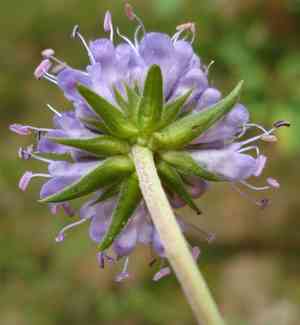
Devilsbit, a perennial herbaceous species, is distinguished by its spherical inflorescences and affinity for damp environments. Trimming is recommended in spring to eliminate withered foliage or following summer blossoming to stimulate additional blooms. Opt for gentle snipping instead of extensive cutting to preserve its form and vitality. This judicious pruning technique invigorates the plant and can heighten its attractiveness to beneficial insects. Always make precise cuts and discard plant remnants to avert pathogen spread.
Advantages of Trimming Devilsbit
Advantages of Trimming Devilsbit
Trimming devilsbit encourages robust development and aids in preserving its desired form. Consistent cutting prevents excessive growth, ensuring a neat appearance and strong vitality.
Optimal Period for Pruning Devilsbit
Optimal Period for Pruning Devilsbit
Pruning in Spring coincides with devilsbit's emergence from dormancy, allowing recovery before its peak growth. Early Summer pruning occurs after flowering, preventing seed dispersal and promoting growth for the following year. This timing ensures plant health and vigor by removing spent blooms and managing growth without hindering the development of next season's buds.
Necessary Tools for Pruning Devilsbit
Bypass Pruners
Perfect for making clean cuts on devilsbit's green stems, bypass pruners inflict less harm to plant tissue, aiding quicker recovery post-pruning.
Pruning Shears
Effective for deadheading and shaping devilsbit, pruning shears offer precision and control, vital for maintaining the plant's compact structure.
Garden Scissors
Suitable for thinning and trimming devilsbit's softer foliage. Garden scissors enable detailed work and can access denser growth without causing undue damage to the plant.
How to Prune Devilsbit
Sanitize tools
Clean and sterilize pruning implements before beginning to prevent the spread of diseases to devilsbit.
Remove diseased leaves
Gently snip off any diseased leaves from devilsbit using sharp, sanitized shears, ensuring a clean cut to facilitate rapid healing.
Remove withered leaves
Carefully trim away withered or dead leaves from devilsbit to sustain plant health and stimulate new growth.
Cut diseased stems
Identify and eliminate any diseased stems on devilsbit by cutting at a 45-degree angle, just above a healthy node or the plant's base.
Common Pruning Errors with Devilsbit
Excessive pruning
Removing too much foliage can stress devilsbit, weakening the plant and diminishing its ability to photosynthesize effectively.
Improper cutting
Cutting too close or too far from the main stem or base can harm devilsbit, potentially leading to disease or stunted development.
Using dull tools
Blunt pruning tools can crush or tear stems and leaves, increasing the risk of disease in devilsbit.
Ignoring dead material
Failing to remove dead or diseased material can hinder new growth and may result in the spread of pests or diseases within devilsbit.
Pruning active growth
Trimming devilsbit during its active growth phase can disrupt its growth cycle, potentially affecting flowering and vigor.
General Pruning Advice for Devilsbit
Sharp clean tools
Always prune devilsbit with sharp, clean tools to ensure precise cuts and minimize the chance of infection.
Prune to base
When pruning devilsbit, aim to cut back spent flower stems to the plant's base to encourage new growth.
Maintenance pruning
Regularly trim away dead or weakened stems and foliage to preserve devilsbit's health and shape.
Deadheading
Remove spent flowers, if desired, to tidy up devilsbit and potentially encourage a second bloom.
Post-bloom prune
Trimming devilsbit after its main blooming period prompts the plant to focus energy on root and foliage development, leading to stronger growth in the subsequent season.



