Feng Shui for Devilsbit
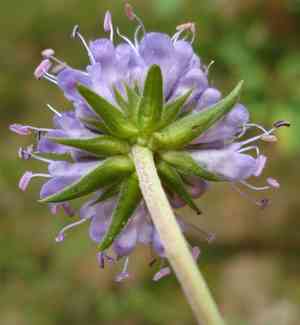
The devilsbit plant subtly aligns with the Southwest orientation, which Feng Shui associates with governing affection and interpersonal bonds. Its robust characteristics and profound blue hues, symbolizing steadfast resilience and peacefulness, could encourage relational steadiness and calm dialogue when positioned in this sector. This understanding is primarily subjective, given the individualized essence of Feng Shui application.
How Does Devilsbit Influence Energies in Your Life?
Stability and Nurturing
Linked to the Earth element, devilsbit represents stability and grounding in Feng Shui. This signifies a crucial balancing force that ensures structure and steadfastness in existence.
Feminine energy and receptivity
Due to its association with the Qi 'Kun', symbolizing Earth Mother, a representation of nurturing and caring energy, devilsbit embodies the essence of the divine feminine and receptivity. This fosters greater openness to others' thoughts and ideas, improving connections.
What Makes Devilsbit An Auspicious Choice In Feng Shui?
Stability
Given its Earth element, devilsbit encourages stability and cultivates a feeling of tranquility and security within your environment.
Harmony
By embodying the 'Kun' Qi, devilsbit can foster harmony among family members, leading to peaceful interactions.
Prosperity
Devilsbit is believed to attract wealth and bring material success, according to Feng Shui interpretations of the Earth element.
What Maintenance Tips Should Be Considered for Devilsbit?
Placement
Devilsbit should be positioned in the North-West to fully utilize its advantages, otherwise, it might attract unwanted stubbornness.
Number
Avoid groupings of four or nine devilsbit plants due to the Earth's connection with these unlucky numbers in Feng Shui.
Overpowering
Care must be taken that devilsbit does not deplete the energy of lighter elements nearby; maintaining equilibrium is vital.
Where to Position Devilsbit for Feng Shui?
Where to Position Devilsbit for Feng Shui?
The devilsbit plant displays a subtle link with the Southwest direction, recognized in Feng Shui for governing love and relationships. Its robust character and deep blue hues, resembling diligent endurance and serenity, may promote relationship stability and calm communication when situated in this area. This interpretation remains largely personal due to the subjective nature of Feng Shui practice.



