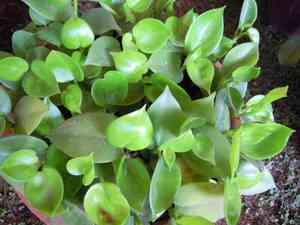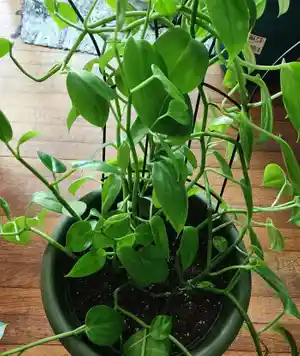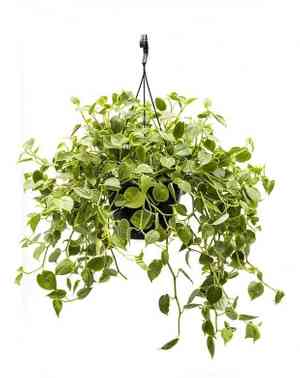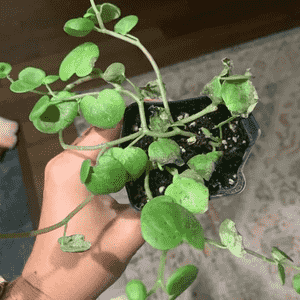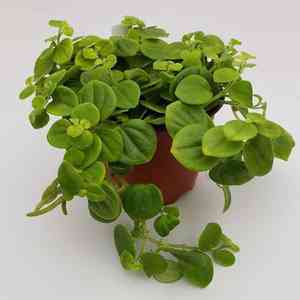
Vining Peperomia(Peperomia serpens)

Vining Peperomia (Peperomia serpens)

Also known as: Piper serpens

Vining Peperomia (Peperomia serpens), native to Central America, South America, and Africa, is a favored houseplant due to its ease of care and propagation. For optimal growth indoors, follow these guidelines:

1. **Light**: Place in bright, indirect light. Direct sunlight can harm the leaves, so avoid it.

2. **Watering**: Water sparingly, allowing the top inch of soil to dry out between waterings to prevent overwatering and root rot.

3. **Humidity**: Prefers moderate to high humidity levels. If the air is dry, increase humidity through misting or a humidity tray.

4. **Temperature**: Maintain a warm environment, ideally between 65°F and 75°F (18°C-24°C). Shield from cold drafts.

5. **Soil**: Use a well-draining, peat-based potting mix to support healthy root growth.

6. **Fertilizing**: Apply a balanced, water-soluble fertilizer every 4-6 weeks during the growing seasons of spring and summer.

7. **Pruning**: Regularly trim back leggy stems to maintain a compact shape and encourage fuller growth.

8. **Pests**: Keep an eye out for common pests like mealybugs and spider mites, treating them promptly with insecticidal soap if necessary.

By adhering to these care instructions, your Vining Peperomia will flourish as a beautiful and thriving houseplant.

Attributes of Vining Peperomia

Lifespan
Perennial
Plant Type
Herb
Plant Height
10 cm to 15 cm
Spread
30 cm to 60 cm
Leaf Color
Green
Flower Size
2.5 cm
Flower Color
Green White

ForwardPlant - Identify plants with a snap

Identify and diagnose plants, get toxicity alerts, and explore safety guides for all types of fungi.

Try for Free

Images of Vining Peperomia

Vining Peperomia(Peperomia serpens)

Quickly Identify Vining Peperomia

1
Heart-shaped emerald green leaves
2
Stems cascade elegantly
3
Velvety leaf texture
4
Leaves evenly spaced along stems
5
Trail length up to 1 foot (30 cm)

Scientific Classification of Vining Peperomia

Phylum
Vascular plants
Class
Dicotyledons
Order
Piperales
Family
Pepper
Genus
Radiator plants
Species
Vining Peperomia

Planting and Growing of Vining Peperomia

Care Difficulty
Easy
Watering Schedule
Every 4 days
Sunlight Requirements
Partial sun
Sunshine Duration
6-10 hours
Ideal Temperature
65-75℉
Soil Type
Potting Mix, Peat Mix
Soil pH
5.5-7
Fertilizer Type
Balanced
Pruning Season
Spring, Summer
Pruning Area
Branches, Leaves
Pruning Frequency
2 times a year
Repotting Season
Spring
Pot Type
Plastic, Ceramic

water icon How to Water Vining Peperomia?

The Peperomia serpens prefers its soil to dry out slightly between waterings. Ensure that when you water, the top inch of soil feels dry before proceeding. Water until it starts to trickle out the bottom of the pot, although this often doesn't take much more than 100ml. This is to avoid waterlogging while ensuring the plant has enough moisture.
What are the symptoms of an underwatered Vining Peperomia?
What should I do if my Vining Peperomia is not getting enough water?
What are the symptoms of an overwatered Vining Peperomia?
How to save an overwatered Vining Peperomia?
More About Watering Techniques

sunlight icon What Are the Sunlight Requirements for Vining Peperomia?

Sunlight Requirements: Partial sun
Duration of light: 4 to 6 hours daily
Partial sun, with about 4 to 6 hours of indirect sunlight, is ideal. Adequate light promotes healthy leaf coloration and structural integrity, supporting robust growth and resistance to stress and disease.
What is the best type of light for Peperomia serpens?
How to achieve ideal lighting for Peperomia serpens?
What benefits does Peperomia serpens gain from ideal lighting?
More About Sunlight Requirements Techniques

temperature icon What Is the Ideal Temperature Range for Vining Peperomia?

Ideal Temperature: 65 ~ 75℉
The ideal temperature range for Peperomia serpens is between 65°F and 75°F. This range offers a balanced environment that supports optimal growth and health for the plant. Keeping the temperature within this range ensures that photosynthesis and metabolic activities proceed without stress.

soil icon What Soil is Best for Vining Peperomia?

Soil type: Loam, Sandy loam
Soil PH: 5.5 ~ 7
Peperomia serpens thrives in well-draining soil that prevents water from sitting around the roots, thereby reducing the risk of root rot. This helps the roots to access sufficient oxygen and promotes healthy growth. The plant prefers soil with moderate nutrient content, which is sufficient to support its growth without overwhelming it with excessive nutrients, leading to healthier leaves and a more vibrant appearance. While the soil needs to drain well, it should also retain some moisture to keep the plant sufficiently hydrated between waterings. This balance is crucial for maintaining the plant's turgidity and avoiding wilting. More About Soil

fertilize icon How to Fertilize Vining Peperomia?

Fertilizer type: Balanced
For Peperomia serpens, use a mild houseplant fertilizer diluted to half-strength. Excessive fertilizer can burn the roots, while too little won't support optimal growth. It's better to under-fertilize than to overdo it. More About Fertilizing Techniques

prune icon How to Prune Vining Peperomia?

Pruning Time: Spring, Summer
First, inspect your Peperomia serpens for any stems that appear too long or are disrupting the desired shape. Overgrown stems are usually those extending far beyond the rest of the foliage. When pruning, make sure you snip the stems just above a leaf node using sharp scissors. This encourages new growth to emerge in multiple directions, resulting in a fuller-looking plant. Trim away any yellow or damaged leaves you find to prevent potential disease or pest infestation. This not only helps keep the plant healthy but also directs nutrients to healthier parts. More About Pruning Techniques

propagate icon How to Propagate Vining Peperomia plant?

Propagate Time: Spring, Early spring
1
Choose a healthy stem with several leaves from the parent plant to ensure good growth potential. Ideally, the cutting should be about 3-4 inches long.
2
Remove the lower leaves of the cutting to expose the nodes, which will encourage root growth. Consider additional preparation, such as air-drying, to minimize infection and decay.
3
Insert the cutting into well-draining soil, making sure the nodes are buried. Water lightly to moist the soil, ensuring good soil-to-stem contact.
More About Propagating Techniques

repot icon How to Repot Vining Peperomia plant?

Repotting frequency: Every 1-2 years
1
Peperomia serpens requires repotting when you notice roots emerging through the drainage holes or when the soil drains water too quickly. Replenishing old soil and checking for tight roots can rejuvenate the plant.
2
Opt for a pot slightly larger than the current one, with good drainage. Terracotta pots help prevent overwatering by allowing the soil to breathe, benefiting a Peperomia serpens with a healthy root system.
3
Select a well-draining potting mix rich in organic material. Incorporating perlite or orchid bark can aid aeration, preventing root rot and allowing the plant roots to thrive.

ForwardPlant - Identify plants with a snap

Find the best spots for them to optimize their health, simply using your phone.

Try for Free