How Much Sunlight Do Vining Peperomia Need?
1
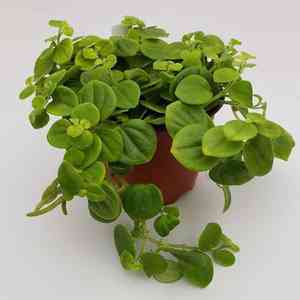
Vining Peperomia flourishes optimally with 3-6 hours of indirect sun exposure daily!
2
Excessive direct sun can lead to scorching of Vining Peperomia's foliage.
3
Should you observe your Vining Peperomia's leaves elongating or becoming spindly, it likely requires increased illumination.
What Illumination Conditions Are Optimal for Trailing Peperomia?
Ideal Natural Illumination
The Trailing Peperomia is an adaptable and undemanding plant regarding its lighting needs. Ideally, your Trailing Peperomia will thrive in bright, indirect illumination. This means approximately 3-6 hours of partial sunlight daily. Positioning it near a north or east-facing window can offer the perfect light balance. If placed in a south-facing window, it's vital to ensure the plant gets diffused light. Excessive direct sun can damage the foliage.
Artificial Lighting Options
If natural illumination is insufficient, artificial lighting presents an excellent alternative. Fluorescent lamps or specialized grow lights positioned at a moderate distance can supply the necessary light for your Trailing Peperomia. Aim to keep the lights active for about 12-16 hours per day to replicate its natural environmental conditions.
How to Position Trailing Peperomia for Perfect Sunlight
Indoor Placement Advice
When situating your Trailing Peperomia indoors, consider placing it near windows that offer filtered light. North and east-facing windows are prime selections. If utilizing a south or west-facing window, ensure the plant is protected by a sheer curtain or is situated a few feet away to prevent direct sun exposure. Rotating the plant occasionally guarantees uniform light distribution and promotes even growth on all sides.
Outdoor Positioning Guidelines
For outdoor placement, keep your Trailing Peperomia in spots that receive dappled sunlight, such as beneath the canopy of larger plants or trees. Avoid areas with intense, direct midday sun, which can cause scorching. Optimal outdoor placement might also include patios or balconies that receive indirect light for most of the day.
Indicators of Excessive or Insufficient Sunlight
Recognizing Sunburn in Trailing Peperomia
Sunburn in Trailing Peperomia appears as brown, scorched marks on the leaves. If you observe yellowing or browning at the leaf tips, it signifies that the plant is receiving too much direct sunlight. To remedy this, move your plant to an area with filtered light and prune the damaged leaves to encourage healthy development.
Symptoms of Inadequate Light
Insufficient light causes Trailing Peperomia to stretch its stems and leaves towards the light source, often leading to elongated, sparse growth. Leaves may also become pale or lose their vibrant hue. If these signs emerge, consider relocating the plant closer to a light source or extending the duration of artificial lighting.
How Seasonal Variations Affect Trailing Peperomia Light Requirements
Adjusting Light in Colder Months
In winter, the amount of natural light diminishes. You might need to move your Trailing Peperomia closer to windows to maximize available daylight. Alternatively, supplementing with artificial lights can help maintain its light intake. Ensuring the plant is not exposed to cold drafts is also crucial.
Managing Summer Light Exposure
During summer, the sun's intensity increases, and even indirect light can be too harsh for your Trailing Peperomia. Ensure the plant is shaded or receives diffused light, especially during peak sunlight hours. Moving it slightly further into the room can prevent direct exposure.
Can Trailing Peperomia Flourish in Dim Light Conditions?
Adaptability to Low Illumination
The Trailing Peperomia is quite flexible and can endure lower light conditions. However, it's important to note that while the plant can survive in dim light, its growth may be slower. The leaves might not be as vivid, and the plant may not produce as dense foliage compared to brighter light environments.
Strategies to Boost Growth in Low Light
To enhance the growth of Trailing Peperomia in low light, consider regular dusting to keep its leaves clean for maximum light absorption. Rotate the plant periodically for balanced growth. Utilizing reflective surfaces like mirrors can help direct additional light towards the plant, optimizing available illumination.



