How Often Should You Water Your Urn plant?
1
Moisten your Urn plant about once a week for optimal health.
2
Employ distilled or rainwater at ambient temperature for superior outcomes.
3
Verify if the growing medium is dry 2.5 centimeters (1 inch) down prior to irrigation.
Understanding Urn Plant Hydration Requirements
Fundamentals of Urn Plant Moisture
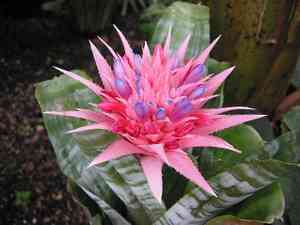
The Urn plant, recognized for its striking blossoms and rich foliage, is a favored indoor plant belonging to the bromeliad family. A crucial element for its thriving development is appropriate watering. The Urn plant possesses a distinct structure: a central reservoir or 'urn' that gathers water. This basin emulates the natural habitat where these plants frequently flourish in rainforest canopies. Ideally, this central cup should be kept filled with water, and the soil should remain damp but not saturated. The leaf junctions should be kept moist, particularly during the active growth period.
Indicators of Insufficient and Excessive Watering
Identifying the signs of both insufficient and excessive watering in your Urn plant is vital. Under-watering may cause the leaves to curl or appear arid and brittle. The plant might also develop brown tips. Conversely, over-watering can lead to root decay, evidenced by soft, mushy roots, and occasionally an unpleasant odor. Yellowing leaves can also suggest that the plant is receiving too much water. Regularly inspecting both the central urn and soil will assist you in maintaining the ideal equilibrium for your Urn plant.
Optimal Watering Practices for Urn Plant
Watering Frequency Across Seasons
The Urn plant's watering demands fluctuate with the changing seasons. During its active growth phase, typically from spring to early autumn, it requires more frequent irrigation - approximately once per week. In these months, ensuring the tank is consistently full and the soil is kept moist is paramount. Conversely, during the winter dormancy period, watering frequency can be reduced. You can water your Urn plant every two weeks during this time, carefully monitoring the plant for any signs of distress.
Ideal Water Conditions and Environmental Factors
The type of water and the environmental conditions significantly influence your Urn plant's health. Rainwater or distilled water is preferable as they lack the chemicals often found in tap water, which can accumulate in the soil over time and harm the plant. Additionally, the environment should be humid â aim for approximately 60-70% humidity. Consider using a humidifier or pebble tray if you reside in a drier climate. Finally, ensure the plant is placed in a location with bright, indirect light, as excessive direct sunlight can dry it out rapidly, while insufficient light can hinder growth.
Advanced Strategies for Watering Optimization
Utilizing Moisture Meters for Accuracy
For plant enthusiasts seeking to refine their watering routine, employing a moisture meter can be exceptionally beneficial. These devices gauge the soil's moisture level and help you determine the precise moment to water your Urn plant. Insert the meter into the soil about halfway down; a reading indicating mid-to-dry levels signals that it's time to water. This tool aids in preventing both over-watering and under-watering by providing an exact measurement tailored to your plant's requirements.
Adjusting Watering Based on Plant Cues
Plants often communicate their needs through visual indicators, and the Urn plant is no exception. Regularly observing your plant will enable you to modify your watering approach accordingly. Watch for curling leaves, dry leaf tips, and a wilting appearance, which signify a need for more water. Conversely, if the central tank water becomes stagnant or develops an unpleasant smell, it indicates potential over-watering. Always drain and replenish the water in the central urn to prevent bacterial accumulation. Adjusting based on these observations helps ensure your Urn plant remains healthy and vibrant.



