Optimal Fertilizer for Growing Urn plant: What You Need to Know
1
The Urn plant flourishes with a 20-20-20 balanced feed given in the summer months.
2
Dilute the plant food to half its recommended strength to prevent nutrient burn.
3
Observe leaf color; pale green suggests a requirement for additional nourishment.
Understanding Urn Plant Fertilization Requirements
The Role of Nutrients in Urn Plant Development
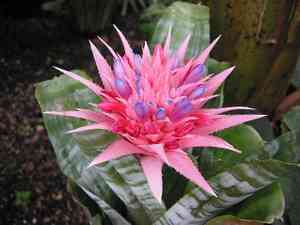
Your Urn plant enhances any home with its thick, arching leaves and striking pink flower spike. Like all plants, it needs nutrients to flourish. These nutrients, taken from the soil or growing medium, are vital for processes like photosynthesis, growth, and overall well-being. Nitrogen aids leaf growth, phosphorus supports roots and flowers, and potassium boosts disease resistance. Ensuring a balanced nutrient mix is key for its vibrancy.
Indicators Your Urn Plant Needs Feeding
Recognizing when your Urn plant requires a nutrient boost can improve its lifespan and appearance. Look for these signs: slow development, pale foliage, and a weak flower spike. These suggest nutrient deficiencies, often fixed with timely fertilization. By observing these cues, you can keep your Urn plant looking its best all year.
Dangers of Excessive Fertilization for Urn Plant
While feeding is crucial, overdoing it can harm your Urn plant. Too much fertilizer can cause root burn, shown by brown, crispy leaf edges, stunted growth, and even plant demise. Always follow guidelines and lean towards under-fertilizing to prevent these damaging effects.
Selecting the Appropriate Fertilizer for Urn Plant
Suitable Fertilizer Types for Urn Plant
When choosing a fertilizer, opt for a balanced formula like a 20-20-20 mix, which provides equal parts nitrogen, phosphorus, and potassium. Alternatively, a bromeliad-specific fertilizer can also encourage healthy growth. Remember, the goal is to supplement your plant's natural nutrients without overwhelming it.
Organic vs. Synthetic Fertilizers for Urn Plant
Both organic and synthetic fertilizers offer benefits. Organic options, such as compost or worm castings, improve soil health over time and release nutrients slowly. Synthetic fertilizers, widely available and consistent in nutrient content, provide immediate results. Choose based on your preference and resources, but always apply at half-strength to prevent over-fertilization.
Optimal Fertilizing Schedule for Urn Plant
Fertilizing During Active Growth Phases
The Urn plant's active growing season, typically from spring through summer, is the best time for fertilization. Feeding your plant every 4 to 6 weeks during this period supports vigorous growth and vibrant flowers. Consistent feeding promotes sustained health and development.
Seasonal Adjustments for Urn Plant Fertilization
During autumn and winter, reduce fertilization as the Urn plant enters a dormant phase. Over-fertilizing then can lead to nutrient buildup and stress. Instead, focus on providing adequate water and light, resuming a regular fertilization schedule in spring when growth accelerates.
Long-term Fertilization Approaches
To maintain your Urn plant's health long-term, consider a sustainable strategy. Rotate different fertilizer types to provide a broad spectrum of nutrients. Incorporate organic options periodically to enhance soil health. By monitoring your plant's needs and adapting your fertilization strategy, you can ensure lasting vitality.
How to Apply Fertilizer to Urn Plant
Step-by-Step Fertilizer Application Guide
Applying fertilizer correctly ensures your Urn plant receives maximum benefits. Hereâs a step-by-step guide:Dilute the fertilizer to half the recommended strength.Water the plant beforehand to prevent root burn.Apply the fertilizer evenly around the plant's base.Water lightly afterward to help distribute nutrients.Repeat every 4 to 6 weeks during the active growing season.
Tips for Uniform Distribution and Uptake
To promote even nutrient absorption, rotate the plant periodically to ensure all sides get adequate light. Avoid applying fertilizer directly to the plant's leaves or central rosette, as this can cause burns. Instead, focus on the soil or growing medium around the base. Consistent watering aids nutrient uptake, so maintain regular moisture levels.



