Optimal Soil for Growing Urn plant: What You Need to Know
1
Urn plants flourish optimally in soil with a pH range of 5.5 to 6.5.
2
Proper drainage is vital for Urn plants since they are susceptible to root decay in soggy environments.
3
Incorporating organic materials such as peat moss or orchid bark can enhance soil structure and vitality.
Understanding Soil Requirements for Urn plant
Natural Habitat Considerations
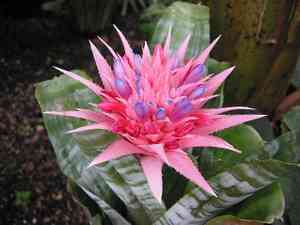
The Urn plant (Aechmea fasciata) originates from the tropical rainforests of Brazil. In its native environment, this plant flourishes in warm, humid conditions, frequently growing as an epiphyte on trees. The substrate in these areas is typically free-draining and rich in organic material. Grasping the Urn plant's natural setting aids in replicating similar substrate conditions at home to ensure the plant's vitality and robustness.
General Soil Properties Needed
When cultivating Urn plants, it's crucial to emulate their native environment as closely as possible. This entails selecting a growing medium that offers superb drainage, aeration, and moderate fertility. The substrate should be light and porous to prevent water accumulation and root decay. Furthermore, the soil should be slightly acidic to neutral, with a pH range of 5.5 to 6.5, which aligns with the plantâs inherent preferences.
What Type of Soil is Best for Urn plant?
Well-Draining Soil Importance
For Urn plants, highly permeable soil is essential to prevent water stagnation. These plants are particularly susceptible to excessive watering, which can lead to root rot and other fungal problems. Ensuring adequate drainage can be achieved by utilizing a soil blend that includes materials such as perlite, sand, or orchid bark. These components help create voids within the soil, allowing water to pass through more effectively.
Ideal Soil Components
The optimal soil mixture for Urn plants comprises elements that encourage drainage and air circulation. A blend formulated for epiphytic or tropical plants is often suitable. Here's a simple homemade mix that's excellent for Urn plants: -2 parts peat moss or coco coir -1 part perlite or coarse sand -1 part orchid bark This combination provides the correct balance of moisture retention and aeration, mimicking the Urn plant's natural rainforest floor conditions.
Recommended pH Levels
It's vital to maintain a slightly acidic to neutral pH level in your growing medium for Urn plants. A pH range of 5.5 to 6.5 is optimal. You can assess your soilâs pH using a home testing kit or by seeking professional analysis. Should your soilâs pH fall outside the desired range, it can be adjusted by incorporating materials such as lime (to increase pH) or sulfur (to decrease pH).
How to Prepare Soil for Urn plant
Mixing Your Own Soil
Crafting a custom soil blend for your Urn plant grants you complete command over the growing conditions. Start with two parts of peat moss or coco coir to retain moisture without becoming waterlogged. Incorporate one part of perlite or coarse sand for enhanced drainage and aeration. Conclude the mix with one part of orchid bark to replicate the natural forest floor and provide additional structure and nutrients. Thoroughly combine these components and verify the pH level to ensure it falls within the 5.5-6.5 range.
Store-Bought Soil Mix Options
If you prefer not to prepare your own soil, several commercially available options are suitable for Urn plants. Look for potting mixes designated for bromeliads, orchids, or general tropical plants. These pre-made blends are typically formulated to offer excellent drainage and aeration, aligning with the requirements of your Urn plant. Always review the product specifications to confirm the appropriate pH level and drainage characteristics.
Common Soil Problems and Solutions for Urn plant
Overwatering Issues
Excessive watering is a frequent problem that can lead to root decay and other complications. Ensure your Urn plant is in well-draining soil and irrigate it sparingly. Allow the substrate to dry out between waterings, reducing the risk of waterlogged roots. Consider utilizing pots with drainage holes to prevent surplus water from accumulating at the bottom.
Soil Compaction
Soil compaction impedes root development and hinders water drainage. To prevent this, use a loose, airy soil mix and repot your Urn plant every couple of years. Adding perlite or orchid bark to the soil blend helps maintain its structure, fostering healthy root growth and water flow.
Nutrient Deficiencies
Nutrient shortages in Urn plants can manifest as yellowing foliage or stunted development. To remedy this, incorporate organic matter such as compost or aged manure into the soil. Supplementing with a balanced, diluted fertilizer during the active growth period can also supply the necessary nutrients to keep your plant thriving.
Maintenance Tips for Soil Health for Urn plant
Regular Soil Testing
Periodically testing your soil can help identify imbalances and avert potential issues. Utilize a home testing kit to monitor the pH level and nutrient content. This proactive approach enables you to make timely adjustments, ensuring optimal soil conditions for your Urn plant.
Using Organic Matter
Integrating organic material into your soil mix helps improve its texture and fertility. Components like compost, aged manure, and peat moss contribute to nutrient content and support microbial activity. This organic method fosters a healthy, sustainable growing environment for your Urn plant.
Ensuring Proper Drainage
Adequate drainage is fundamental to the well-being of your Urn plant. Besides selecting a well-draining soil mix, ensure your pot has drainage holes. You can also place a layer of gravel or stones at the bottom of the pot to facilitate excess water flow, preventing waterlogging and promoting healthy roots.



