Boost Growth: How and When to Repot Your Urn plant Plant
1
The best period to transfer your Urn plant to a new pot is in Spring or Winter.
2
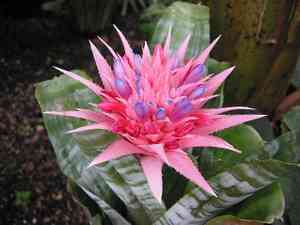
Urn plant is most recognized for its impressive pink floral structures that persist for many months.
3
Excessive fertilizer application can harm the root system of your Urn plant following repotting.
Why Replant Your Urn Plant?
Understanding the Urn Plant's Growth Pattern
Aechmea fasciata, or Urn plant, is a Brazilian bromeliad known for its striking pink bracts and resilience. Grasping its growth pattern is key to proper care. These plants typically grow slowly but consistently. They produce 'pups' - smaller plants at the base - which can eventually be separated and replanted to start new specimens. Replanting supports their development, prevents root constriction, and provides fresh, nutrient-rich soil vital for flourishing.
Indicators for Repotting
Recognizing when to replant your Urn plant can greatly impact its vitality. Look for roots emerging from drainage holes, the plant becoming top-heavy or unstable, or the soil drying out too quickly after irrigation. Additionally, if the pot shows mineral discoloration or the plant exhibits stress (yellowing foliage, stunted development), it's likely time for a larger container.
Selecting the Right Medium and Container for Urn Plant
Choosing the Optimal Pot Dimensions and Material
Selecting the appropriate pot size and material is crucial when replanting your Urn plant. Ideally, pick a pot that is only one size larger (approximately 2.5 to 5 cm or 1 to 2 inches wider) than its current one. Larger pots retain more moisture, increasing the risk of root rot. Opt for unglazed clay pots, as they facilitate better air circulation. Ensure the pot has adequate drainage holes to prevent water accumulation.
Ideal Soil Blend for Robust Roots
The correct soil mixture can ensure your Urn plant thrives post-replanting. These plants prefer a loose and free-draining substrate. Consider a mix of orchid bark, perlite, and peat moss (in equal proportions) to provide sufficient aeration and drainage. Avoid using garden soil or dense potting mixes, as they can hold too much moisture, leading to root decay.
Detailed Guide to Repotting Urn Plant
Preparing Your Equipment and Workspace
Begin by gathering all necessary items: a new container, fresh potting mix, sterilized scissors or pruning shears, and protective gloves. Organize your tools in a clean area. Lay down newspaper or a plastic sheet to catch any spilled soil. Thorough preparation ensures an efficient and neat replanting process.
Extracting the Plant and Examining the Root System
Carefully remove the Urn plant from its current container. Gently tap the sides or use a knife to loosen the soil if necessary. Once out, inspect the roots. Trim any dead or decaying roots with sterilized scissors. Healthy roots should be pale or light tan, while unhealthy ones appear dark brown or black and feel soft.
Positioning the Plant in the New Container and Soil
Fill the new pot about one-third full with the fresh potting mix. Place the Urn plant in the center, ensuring it's at the same depth as it was in the previous pot. Fill around the plant with more soil mix, gently pressing down to secure it. Avoid compacting the soil too much, allowing the roots ample room to breathe.
Post-Repotting Care: Ensuring a Smooth Adjustment
After replanting, lightly water the Urn plant to settle the new soil. Position it in a spot with indirect sunlight and maintain a consistent temperature. Monitor the plant closely for the next few weeks for signs of new growth. Be mindful with watering; bromeliads prefer their soil slightly dry between waterings, reducing the chance of water stress.
Common Errors to Avoid When Repotting Urn Plant
Excessive Watering After Repotting
A frequent error is overwatering the plant immediately after replanting. The Urn plant is susceptible to root rot if waterlogged. Ensure the soil remains moderately moist but not saturated. Water less often during the initial few weeks to allow the roots to establish in their new environment.
Using Inappropriate Soil or Pot Size
Employing the wrong soil blend or an incorrectly sized container can negatively affect your Urn plant's health. Avoid dense, poorly draining soils and overly large pots that retain too much water, hindering proper nutrient absorption by the roots. Always select well-draining mixes and suitably sized containers for optimal growth.



