How to Overwinter Urn plant
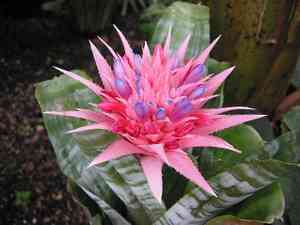
1
The Urn plant's internal structures retain moisture, requiring less frequent irrigation in colder months.
2
Optimal growth for this plant occurs within a temperature range of 18°C to 24°C (65°F to 75°F).
3
Keeping humidity levels above 60% promotes robust development throughout the winter season.
What Is Overwintering for an Urn plant?
What Is Overwintering for an Urn plant?
Overwintering refers to the practice of safeguarding and nurturing delicate plants, such as the Urn plant (Aechmea fasciata), throughout the colder months. This involves establishing optimal indoor conditions that replicate its native tropical habitat, ensuring the plant's survival and flourishing during winter.
Preparation Steps for Overwintering Urn plant
Cleaning and Inspecting the Plant
Prior to moving your Urn plant indoors, thoroughly clean and examine it. Remove any dead or damaged foliage to prevent disease, and check for pests that might enter your home. Cleaning the plant will also help minimize the risk of spreading insects and pathogens.
Choosing the Right Pot and Soil
Ensure your Urn plant is housed in a container with sufficient room for its root system. Utilize a well-draining soil mixture, such as one composed of equal parts peat, pine bark, and perlite. The appropriate pot and soil conditions are crucial for healthy root development and preventing water retention, which can lead to root rot.
Providing Adequate Drainage
Proper drainage is essential for preventing root rot, especially when watering is reduced in winter. Confirm the pot has drainage holes, and consider adding a layer of gravel at the bottom before adding soil. This allows excess water to escape and prevents the soil from becoming waterlogged.
Optimal Indoor Conditions for Urn plant
Lighting Requirements
The Urn plant needs bright, indirect illumination. Position it near a south or east-facing window, but ensure it is shielded from direct sunlight, which can burn its leaves. If natural light is insufficient, particularly during shorter winter days, consider using a grow light to supplement its needs.
Temperature and Humidity Control
Maintaining a warm environment between 18°C and 24°C (65°F to 75°F) is ideal for the Urn plant. Additionally, keep humidity levels above 60%. You can increase humidity by placing a humidifier nearby or setting the pot on a tray filled with pebbles and water.
Watering Schedule During Winter
During winter, decrease watering frequency as the plant's growth slows. Water the Urn plant only when the top layer of soil feels dry to the touch. Be careful not to overwater; it is better to under-water than over-water, as excess moisture can lead to root rot.
Preventing Pests and Diseases in Urn plant During Winter
Common Pests to Watch Out For
In winter, common pests like spider mites, mealybugs, and aphids can infest your Urn plant. These pests thrive in dry indoor environments, so it's important to regularly inspect your plant and promptly treat any infestations with insecticidal soap or neem oil.
Preventative Measures
Regularly mist your plant and clean its leaves to deter pests. Maintaining high humidity and ensuring good air circulation can also reduce the likelihood of infestations. If you spot any pests, isolate the plant from others to prevent spreading.
When and How To Transition Urn plant Back Outdoors
Timing the Transition
Begin moving your Urn plant outdoors once nighttime temperatures consistently stay above 10°C (50°F). Gradual acclimatization is crucial to prevent shock from sudden environmental changes.
Reintroducing to Outdoor Conditions
Start by placing the Urn plant in a shaded outdoor area, slowly increasing its exposure to sunlight over one to two weeks. This helps the plant adjust to outdoor conditions without being scorched or stressed. Resume regular watering and feeding schedules as it acclimates to its new environment.



