Enhancing Your Garden Design with the Urn plant Plant: A Landscaping Guide
1
Urn plant contributes vibrancy and tactile interest to any garden setting.
2
Strategic positioning of Urn plant can elevate your garden's visual appeal.
3
Consistent care is crucial for maintaining Urn plant's health and attractiveness throughout the year.
Appreciating the Visual Charm of Urn Plant
Highlight distinctive characteristics of Urn plant that enhance garden aesthetics
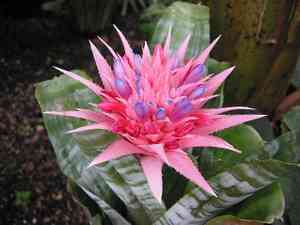
Urn plant possesses unique attributes that can significantly boost your garden's visual appeal. Renowned for its striking look, Urn plant displays vibrant foliage and an impressive flower spike. Its stunning inflorescence, typically a bright pink or red bloom encircled by silvery-green leaves, creates a focal point that captures attention and adds an exotic flair to any garden. Whether integrated into a tropical setting or as a standalone piece, Urn plant is sure to make an impact.
Discuss the color scheme and textural contrast Urn plant introduces to gardens
The color palette and textural variation offered by Urn plant is another reason it's an excellent choice for landscaping. The combination of the plant's green and silver-striped leaves with its vivid pink or red flowers produces a dynamic visual effect. This contrast not only amplifies the beauty of Urn plant but also brings depth and dimension to the garden. The rough texture of Urn plant's leaves beautifully contrasts with smoother plants, providing a balance that enriches the overall landscape.
Explain how Urn plant complements both contemporary and classic garden designs
One of the best qualities of Urn plant is its adaptability. While it fits perfectly into tropical or exotic garden themes, Urn plant can also enhance more modern or traditional garden styles. In contemporary garden designs, its bold form and vivid hues add a touch of drama and sophistication. Meanwhile, in traditional garden settings, Urn plant acts as an unexpected element that can highlight and break the uniformity of more conventional plant selections. Its versatility makes Urn plant a valuable asset in various landscaping styles.
Optimal Placement of Urn Plant in Landscape Design
Best practices for situating Urn plant in diverse garden environments
Correctly positioning Urn plant in your garden is vital for maximizing its visual impact. Ideally, Urn plant should be placed where it receives bright, indirect light, as direct sun can scorch its leaves. In larger gardens, Urn plant works well as a solitary feature or as part of a cluster with other tropical plants. It can also serve as an accent in shaded areas or beneath the canopy of larger plants, providing a burst of color that enlivens the space.
Tips on utilizing the natural growth habit of Urn plant for maximum effect
Understanding and leveraging the natural growth pattern of Urn plant can help you achieve the best possible outcome in your landscape. Urn plant typically grows in a rosette form, meaning it spreads outwards in a circular fashion. This growth habit can be exploited to create a visually pleasing arrangement by grouping multiple plants in circular or irregular patterns. Additionally, you can use Urn plant in raised garden beds or containers to showcase its cascading growth, making it a stunning focal point.
Integrating Urn plant with other plants: Harmony and divergence
Integrating Urn plant with other plants involves finding the right balance between harmony and divergence. Pairing Urn plant with plants that have contrasting textures or colors can create a cohesive display. For instance, the bold appearance of Urn plant pairs well with delicate ferns or soft grasses, creating a captivating contrast. Alternatively, for a more unified look, consider combining Urn plant with other tropical plants that share similar light and soil requirements. This approach ensures all plants thrive together while maintaining visual interest.
Maintaining the Health and Beauty of Urn Plant in Your Landscape
Seasonal considerations for Urn plant to flourish outdoors
To keep Urn plant thriving throughout the year, it's crucial to consider its seasonal requirements. While Urn plant is relatively resilient, it performs best in warmer temperatures and should be protected from frost. In colder climates, consider using pots so Urn plant can be moved indoors or to a sheltered area during winter. Additionally, noting the plant's humidity needs and providing extra moisture during dry periods will help maintain its lush appearance.
Simple advice for monitoring the well-being of Urn plant
Monitoring the well-being of Urn plant involves a few straightforward practices. Regularly check soil moisture levels, as Urn plant prefers slightly moist but well-drained soil. Water the plant by filling its central cup, but ensure it doesn't remain waterlogged. Also, watch for pests or signs of stress such as yellowing leaves, which indicate potential issues. Providing occasional liquid fertilizer during the growing season can also support the plant's health and vibrancy.
How to incorporate Urn plant with landscape elements like rocks and water features
Integrating Urn plant with landscape elements such as rocks and water features can elevate your garden's aesthetic appeal. When placed near rocks, Urn plant's vibrant colors and unique form can create a striking contrast. Additionally, positioning Urn plant close to water features like fountains or ponds can enhance its tropical feel. The moisture from the water bodies also benefits the plant, helping maintain the humidity levels Urn plant prefers. These elements combined can create a serene and picturesque garden space.



