How to Transplant Urn plant?
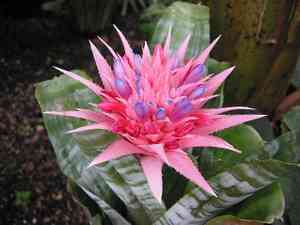
The ideal period for relocating urn plant spans from the end of spring to the close of summer, enabling the specimen to develop its root system prior to the arrival of colder weather. Select a site with good drainage and diffused illumination. Should it be necessary, supply additional moisture in the air to aid urn plant's successful adaptation during its move.
Necessary Preparations Before Relocating Urn Plant?
Optimal Period for Relocating Urn Plant?
The most favorable time to move your urn plant is from late spring through the close of summer. This timeframe is ideal as it allows urn plant to become established prior to the colder months. Moving it during this phase ensures the plant has ample opportunity to acclimate to its new spot. Remember, a thriving urn plant can enhance your home's aesthetic with its unique tropical and vibrant appearance.
Required Spacing Between Urn Plant Specimens?
When relocating urn plant, provide them with adequate room to expand. Ideally, maintain a separation of 1-2 feet (30-60 cm) between each plant, allowing their root systems ample space to spread and develop.
Best Soil Mixture for Urn Plant Relocation?
For urn plant to flourish, it's best to use a well-draining soil, such as a blend of peat moss, perlite, and orchid bark. Incorporate a balanced, slow-release fertilizer into the soil before transplanting to supply all essential nutrients.
Where to Position Your Urn Plant?
Select a spot where urn plant will receive bright, indirect sunlight. Avoid direct sun exposure, as it can scorch the leaves. Partial shade or filtered light is perfect, ensuring their colorful foliage remains vibrant.
Equipment Needed Before Relocating Urn Plant?
Gardening Gloves
Crucial for protecting your hands when handling the plant and soil.
Shovel or Spade
Useful for carefully excavating the plant from its original spot or preparing a new hole for relocation.
Pruning Shears
Handy for trimming any damaged or excessive roots.
Wheelbarrow or Bucket
Excellent for gently and efficiently moving the plant from its initial location to the new site.
Watering Can or Hose
To hydrate the plant before and after relocation to keep the roots moist.
How to Extract Urn Plant from the Soil?
How to Extract Urn Plant from the Soil?
From Ground: For urn plant, it's best to water them the day before. This makes digging around the plant much easier as the soil becomes more pliable. Using your shovel, carefully dig around the plant, creating a wide perimeter to avoid damaging the root system. Gradually work your shovel beneath the plant, lifting it slowly to keep the root ball intact.From Pot: Start by thoroughly watering the urn plant. Gently invert the pot and tap its bottom edge on a firm surface—this should cause the root ball and surrounding soil to slide out. If the plant is deeply rooted and doesn't come out, seek assistance to carefully pull out the plant, ensuring no roots are damaged.From Seedling Tray: Ensure the urn plant is well-hydrated. Using a hand trowel, carefully scoop the seedling and its surrounding compost from underneath. It's important to keep as much of the root and compost intact as possible. Avoid touching the plant's stem and roots as much as possible to prevent any harm.
Step-by-Step Guide for Relocating Urn Plant
Hydration
Water your urn plant sufficiently the day before relocation. This will not only simplify the removal process but also reduce stress on the plant during the move.
Dig a Hole
Using a spade or shovel, excavate a hole in your chosen location that is twice as wide and as deep as the urn plant's root ball.
Prepare the urn plant
Trim the urn plant roots with your pruning shears if needed and place it in a bucket of water to keep it hydrated if there's a delay between removal and replanting.
Relocate
Position the urn plant in the hole, ensuring it is at the same depth as it was in its original spot. Refill the hole with soil, gently compacting it around the plant to prevent air pockets.
Water Thoroughly
Once relocated, water generously to help settle the soil.
Post-Relocation Care for Urn Plant
Regular Checkups
Monitor your urn plant closely after relocation. Look for any indications of stress such as wilting, yellowing leaves, or a lack of new growth.
Watering
Consistent watering is essential, especially during the first few weeks post-relocation. However, avoid overwatering as urn plant dislikes soggy soil.
Pruning
If you observe any broken or damaged foliage, feel free to trim them. This will help your urn plant direct its energy towards new growth and better root establishment.
Adjustment Period
Your urn plant may require some time to adapt to its new environment. Therefore, be patient, continue with your care routine, and avoid making any drastic changes in care or location.
Addressing Common Issues with Urn Plant Relocation.
When is the ideal time to move my urn plant?
The best period to relocate your urn plant is from late spring until the end of summer. This allows the plant to establish itself before the colder weather arrives.
What is the correct spacing when relocating urn plant?
For optimal growth, maintain approximately 1-2 feet (30-60 cm) of space between each urn plant. This ensures they have ample room to spread without hindering each other's development.
What type of soil is best for urn plant?
Urn plant prefers well-draining soil, rich in organic matter. Avoid waterlogging as this can lead to root rot and other fungal diseases.
How deep should I plant urn plant saplings?
Plant your urn plant at the same depth it was growing in its previous container. This helps prevent root exposure or burying the plant too deeply.
Should I prune urn plant before relocating?
Generally, pruning is not necessary before relocating urn plant. However, removing dead or unhealthy parts can encourage healthier growth after the move.
How often should I water urn plant after relocation?
Water thoroughly after relocating, then only when the top 1 inch (2.5 cm) of soil feels dry. Overwatering can cause root rot, so balance is crucial.
What type of fertilizer does urn plant need after relocation?
Urn plant benefits from a slow-release, organic fertilizer post-relocation. Fertilize only during the growing season and never within one month after relocating to avoid burning the roots.
What indicates that my urn plant is adapting well to its new location?
If your urn plant begins producing new foliage or blooms, it indicates it has adapted well to the new location. However, allow several weeks for it to settle before expecting growth.
Can urn plant be relocated into a pot?
Absolutely! Urn plant can thrive in a pot, provided there is adequate drainage. Remember to repot once it outgrows its current container for best results.
What if my urn plant shows signs of distress after relocation?
Don't worry; slight wilting or leaf drop is normal. If it persists, check watering, light conditions, and for pests. Don't hesitate to consult a local nursery if problems are severe.



