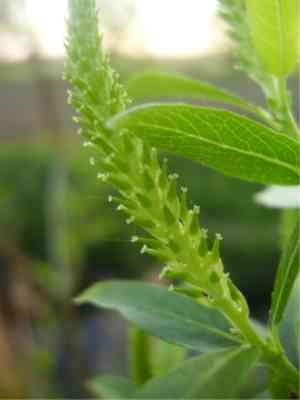
Almond willow (Salix triandra)
Also known as: French willow
Almond willow (Salix triandra) serves multiple purposes, such as basket weaving and providing nectar for honeybees, particularly in Russia. Additionally, it is being studied for its potential in biofuel production. The name "Almond willow" was inspired by the plant's almond-like fragrance when its leaves are crushed.
In This Article
Attributes of Almond willow
Lifespan
Perennial
Plant Type
Shrub
Plant Height
10 m
Spread
6 m
Leaf Color
Green
Flower Size
3 cm to 5 cm
Flower Color
Yellow Green
Images of Almond willow
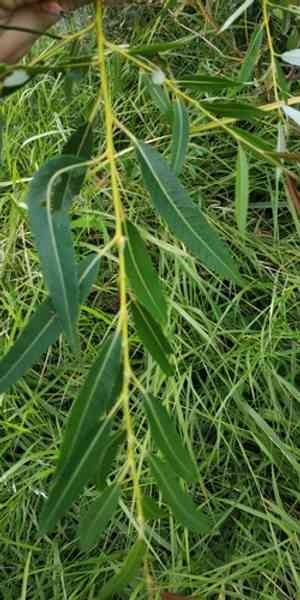
Quickly Identify Almond willow
1
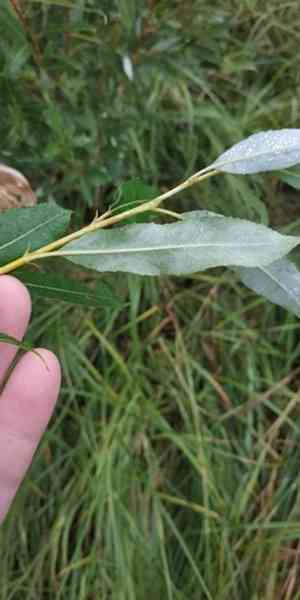
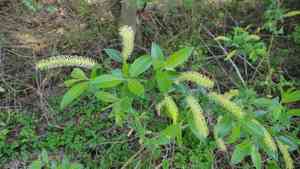
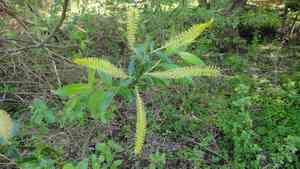
Salix triandra can be identified by its lanceolate to oval leaves which have a finely serrated margin and resemble those of an almond tree. The bark is smooth and greenish when young, turning brown and fissured with age. The plant has catkins that appear in early spring, with male and female flowers on separate plants.
Scientific Classification of Almond willow
Phylum
Vascular plants
Class
Dicotyledons
Order
Malpighiales
Family
Willow
Genus
Willows
Species
Almond willow
Planting and Growing of Almond willow
Care Difficulty
Easy
Watering Schedule
Every 8 days
Sunlight Requirements
Full sun
Sunshine Duration
6-12 hours
Ideal Temperature
60-75℉
Soil Type
Potting Mix, Peat Mix
Soil pH
6.5-7.5
Fertilizer Type
Balanced
Pruning Season
Spring, Summer
Pruning Area
Branches, Leaves
Pruning Frequency
2 times a year
Repotting Season
Spring
Pot Type
Plastic, Terracotta
 How to Water Almond willow?
Salix triandra, also known as almond willow, requires consistent moisture but not excessive saturation. Ensure that the soil is thoroughly soaked but allow for good drainage. A key principle is to keep the soil moist with about 500ml of water per session, ensuring water reaches the root zone without standing pools.
What are the symptoms of an underwatered Almond willow?
›
What should I do if my Almond willow is not getting enough water?
›
What are the symptoms of an overwatered Almond willow?
›
How to save an overwatered Almond willow?
›
 What Are the Sunlight Requirements for Almond willow?
Salix triandra thrives in full sun to partial sun environments, requiring exposure to at least 4 to 6 hours of sunlight daily. The favorable light range promotes vibrant growth, optimal flowering, and ensures healthy foliage development, contributing to the plant's overall vitality.
More About Sunlight Requirements Techniques→
What is the optimal sunlight condition?
›
How can we provide ideal sunlight conditions?
›
What are the benefits of getting ideal sunlight?
›
 What Is the Ideal Temperature Range for Almond willow?
For Salix triandra, maintaining an environment within 60°F to 75°F ensures optimal growth. These temperatures emulate their natural habitat conditions, promoting photosynthesis, nutrient uptake, and overall plant health.
 What Soil is Best for Almond willow?
Salix triandra thrives best in soil that retains moisture well. One of the primary benefits of such soil is its ability to support the plant's high water requirements. The plant prefers nutrient-rich soils to support its fast growth rate and vigorous foliage. Soil enriched with organic matter can greatly enhance the plant's health and vitality. While moisture is crucial, adequate drainage is equally important to prevent root rot. A well-draining soil promotes healthy root development and prevents fungal diseases.
 How to Fertilize Almond willow?
For Salix triandra, a modest amount of fertilizer is required as it prefers not to be overwhelmed. Use approximately 30 grams of balanced fertilizer per plant for a healthier growth during its development phase.
 How to Prune Almond willow?
Begin by removing any dead or diseased wood. Dead branches are typically brittle and brown, so they will snap easily. Cutting these out ensures that diseases do not spread to healthy parts of the plant. Once dead and diseased branches are removed, focus on improving air circulation by thinning out the center of the plant. Remove crossing branches that rub against one another, as these can create wounds that invite disease. When shaping Salix triandra, aim to maintain an open, vase-like form. This promotes even light distribution throughout the plant. Regularly cut back long, vertical shoots to favor lateral growth, helping to achieve a fuller, bushy appearance.
More About Pruning Techniques→
 How to Propagate Almond willow plant?
1
Select a healthy Salix triandra as the parent plant. Ensure it is well-watered and free from any diseases or pests to increase the likelihood of successful propagation.
2
Use pruning shears to cut a length of healthy stem from the parent plant. Aim for cuttings that are around 15-20 cm long with several leaves. Remove the leaves from the lower section of the cutting.
3
Dip the end of each cutting into rooting hormone, then plant in a pot filled with moist, well-draining soil. Ensure at least one node is buried beneath the soil for optimal root development.
 How to Repot Almond willow plant?
1
Repot Salix triandra when its roots start outgrowing the current pot or when the soil becomes compacted, which can lead to poor drainage and nutrient absorption. Early spring or during autumn, when the plant is semi-dormant, is ideal for repotting. At this time, the plant experiences less transplant shock, allowing it to establish itself in the new pot seamlessly.
2
Select a pot that is at least 2 inches wider in diameter than the current one to accommodate further growth. Ensure it has adequate drainage holes to prevent waterlogging, which can cause root rot. A pot made from breathable materials like terracotta is recommended, as it promotes better moisture management. This choice provides a healthier environment for Salix triandra's roots, encouraging more robust growth.
3
Opt for a well-draining loamy soil with a mix of sand, silt, and clay to provide a balance of moisture retention and drainage. This type of soil ensures that Salix triandra gets the necessary nutrients while preventing water from accumulating at the roots. Such a soil mix promotes healthy root development, aids in vigorous growth, and minimizes the risk of fungal infections.



