The Almond willow Plant Advantage: Maximizing Home and Office Appeal and Wellness
1
This adaptable flora flourishes across diverse environments, rendering it obtainable for numerous cultivators.
2
Its rapid development speed positions it as a superb option for preventing soil degradation.
3
The different components of this vegetation are suitable for artisanal and customary applications.
How Does Almond willow Benefit the Environment?
Erosion Control
A key advantage of Almond willow is its capacity to effectively manage soil erosion. This plant possesses a robust root system that stabilizes the earth, making it an excellent option for planting along riverbanks, slopes, or other areas prone to soil loss. By securing the ground, Almond willow aids in preventing landslides and safeguards water quality by decreasing sediment runoff.
Carbon Sequestration
In the battle against climate change, every effort counts. Almond willow contributes by capturing carbon dioxide from the atmosphere due to its rapid growth. The conversion of CO2 into oxygen leads to cleaner air and a healthier ecosystem, positioning Almond willow as an environmentally friendly addition to any green space.
What Are the Practical Uses of Almond willow?
Crafting and Construction
The pliable and sturdy branches of Almond willow make it a superb choice for crafting. From weaving baskets to constructing lightweight structures, its wood is both durable and easily manipulated. Traditional methods often utilize Almond willow for creating wattle and daub walls, offering sustainable and economical housing solutions.
Biofuel Source
With the shift towards sustainable energy, Almond willow presents a promising solution. Its biomass can be converted into biofuel, providing a renewable energy source that lessens reliance on fossil fuels. This capability not only benefits individual households but could also contribute to larger-scale sustainable energy initiatives.
Why is Almond willow Ideal for Landscaping?
Aesthetic Appeal
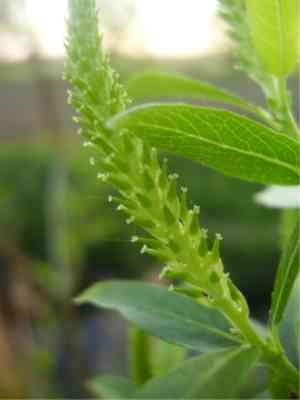
Beyond its practical advantages, Almond willow enhances the visual charm of landscapes with its lovely, slender leaves and almond-like appearance. Its vibrant green hue and graceful form offer an attractive addition to gardens, parks, and public areas. It also serves as an excellent backdrop for other plants.
Wildlife Habitat
Creating a flourishing habitat for local wildlife is another benefit of incorporating Almond willow into your landscape design. The plant attracts various species of birds, insects, and small mammals. Its foliage provides shelter and nesting sites, contributing to biodiversity and fostering a balanced ecosystem.
How to Cultivate and Maintain Almond willow?
Optimal Soil and Climate Conditions
For those interested in growing Almond willow, it's crucial to understand its soil and climate preferences. This resilient plant thrives in well-drained soils, favoring slightly acidic to neutral pH levels. It adapts to various climatic conditions but performs best in areas with moderate rainfall and full to partial sunlight.
Watering and Pruning
While Almond willow requires relatively little upkeep, consistent watering during its initial growth phase is vital to encourage strong root development. Once established, it can endure periods of drought. Pruning is advised to manage its growth and shape, ensuring it remains healthy and visually appealing.



