How to Propagate Almond willow?
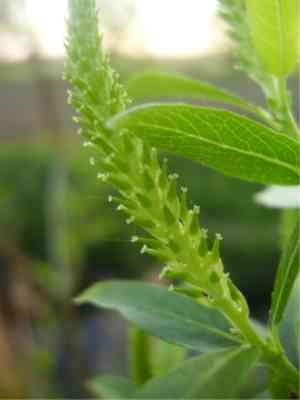
Salix triandra, a deciduous woody plant, is recognized for its straightforward cultivation and reproduction. It flourishes optimally in damp, adequately drained earth and prefers abundant sunlight to moderate shade. Reproduction is typically accomplished via dormant stem sections, which ought to be harvested from robust, developed branches. These sections need to be inserted into an appropriate substrate and maintained in a regulated setting to guarantee effective root formation. Sustained hydration and shallow placement are vital for fostering root growth. After it has taken root, Salix triandra displays vigorous development and can be relocated to its permanent site.
Optimal Time for Almond Willow Propagation
Propagation Method
Cuttings
Propagation Period
Fall,Winter
Tools for Almond Willow Propagation
Pruning Shears
Essential for obtaining cuttings from almond willow. Shears must be sharp and clean to ensure precise cuts and prevent damage or infection. This tool is crucial for the initial step of propagation, securing viable cuttings from the parent plant for root development.
Rooting Hormone
This chemical compound assists almond willow cuttings in developing robust and healthy roots more rapidly and effectively. Applying rooting hormone to the cut end before planting stimulates root growth, boosting the overall propagation success rate.
Propagation Tray
Utilized to arrange and cultivate multiple almond willow cuttings in a regulated setting. Propagation trays are often paired with a humidity dome or cover, which helps maintain ideal humidity levels around the cuttings, vital for preventing desiccation before rooting occurs.
Potting Mix
A suitable potting medium is crucial for providing a supportive and sterile environment for almond willow cuttings to root. The mix should be light, well-draining, yet moisture-retentive to support new root development without waterlogging, which can cause rot.
Watering Can with a Fine Rose
This implement is used to gently irrigate cuttings without displacing them from the rooting medium. The fine rose attachment softly disperses water, ensuring young almond willow roots are not harmed by water force while keeping the soil adequately moist.
How to Propagate Almond Willow?
Propagation Type
Moderately Difficult
Caring for Your Newly Propagated Almond Willow
Caring for Your Newly Propagated Almond Willow
Once established and exhibiting new growth, almond willow can be gradually introduced to more sunlight and less frequent watering. It's advisable to conduct an annual health check and prune in late winter or early spring to encourage healthy growth and shape. Almond willow thrives in moist soils, so regular watering may be necessary during dry periods. Adding a layer of mulch around the base can help retain soil moisture and regulate soil temperature.
Common Errors to Avoid When Propagating Almond Willow
Neglecting moisture levels
Ignoring the need for consistent moisture can hinder root development, as almond willow cuttings require a well-hydrated environment to establish roots.
Using non-viable cuttings
Attempting to propagate almond willow with old or diseased cuttings can impede root growth and spread plant pathogens, compromising the propagation process.
Improper cutting size
Taking cuttings that are too short or too long can impact the balance between root and shoot growth, leading to a lower success rate in propagation.
Ignoring the need for humidity
Failing to provide a humid microclimate for almond willow cuttings can result in dehydration and poor root establishment.
Overcrowding cuttings
Planting almond willow cuttings too close together can restrict airflow and light access, leading to competition for resources and potential fungal growth.
Tips For Propagating Almond Willow
Use healthy donor plants
Selecting vigorous and disease-free almond willow plants as the source of cuttings ensures better root development and propagation success.
Maintain adequate hydration
Keeping the soil consistently moist but not waterlogged promotes healthy root growth for almond willow cuttings.
Optimal cutting length
Preparing cuttings of 6-10 inches in length with multiple nodes allows for a balance between root and shoot development in almond willow.
Create a humid environment
Using a plastic cover or humidity dome helps keep the air around almond willow cuttings moist, which is essential for rooting success.
Provide sufficient spacing
Spacing almond willow cuttings adequately apart ensures each cutting receives enough light and air, reducing the risk of disease and enhancing growth.



