How to Transplant Almond willow?
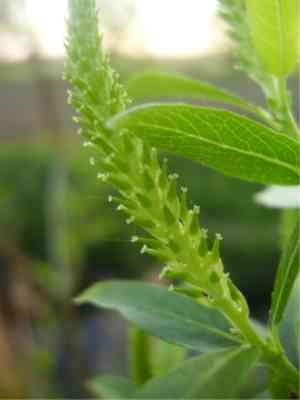
The optimal period for transplanting almond willow aligns with the vigorous growth phase from late spring to early summer, offering a beneficial impetus. Select locations bathed in sunlight with damp earth to allow its root system to thrive. Careful manipulation ensures a prosperous relocation.
Preparations Required Before Relocating Almond Willow?
When is the Best Time to Move Almond Willow?
Choose the transition from winter to a vibrant spring for almond willow. This period allows roots to establish in moderate temperatures. Introducing almond willow during this renewal phase ensures good settling, utilizing longer daylight to boost growth before intense summer heat.
What Distance Should Be Maintained Between Almond Willow Plants?
Hello, gardeners! Provide ample room for your almond willow to flourish. Aim for a spacing of approximately 9.8-13.1 feet (3-4 meters) between them. This ensures their roots have sufficient space to expand without overcrowding.
What is the Optimal Soil Blend for Almond Willow Relocation?
For your almond willow, well-drained soil is crucial. A loamy base is ideal! Prior to planting, enrich the soil with a balanced, slow-release fertilizer to give your almond willow a nourishing start. Gently sprinkle and mix it into the topsoil.
Where Should Your Almond Willow Be Replanted?
Your almond willow thrives in sunlight! Select a location where it can receive full sun for most of the day. This bright spot will keep your almond willow content, aiding its strong and healthy development. Envision the sunlight providing a comforting embrace to your plant!
What Tools Are Necessary Before Transplanting Almond Willow?
Gardening Gloves
To safeguard your hands while excavating and handling the almond willow.
Shovel or Spade
For digging out the plant and preparing a new site.
Watering Can or Hose
To hydrate the plant before and after its relocation.
Pruning Shears
To trim any damaged roots or branches.
Wheelbarrow or Garden Cart
To move the almond willow from its original spot to the new one.
Burlap or Tarp
To wrap the root ball during transit, preventing dehydration.
Garden Fork
To loosen the soil surrounding the root area.
Mulch
To help maintain soil moisture after planting.
Tree Stakes and Ties
To offer support for the almond willow if needed in its new environment.
How to Extract Almond Willow from the Ground?
How to Extract Almond Willow from the Ground?
From Ground: First, ensure the soil is moist by thoroughly watering the almond willow. Using a shovel or spade, dig a wide circle around the plant, being careful not to harm the root system. Gradually work the tool under the root ball, and gently lift the almond willow from the earth.From Pot: Water the almond willow to facilitate the root ball's removal from the pot. Tilt the pot sideways and tap the bottom or sides to loosen it. Carefully remove the almond willow from the pot, ensuring the root ball is supported.From Seedling Tray: Gently moisten the soil. Use a tool like a dibber or a small spade to carefully lift the almond willow seedling from the tray without injuring the roots. Hold the seedling by its leaves, not the stem, to prevent damage.
Step-by-Step Guide for Relocating Almond Willow
Preparation
Choose an overcast day or evening for transplanting to avoid immediate sun exposure. Gather all necessary tools and ensure you have ample time to complete the task without rushing.
Root Ball Care
Thoroughly water the almond willow before beginning to ensure the root ball remains intact during removal and to lessen transplant shock.
Excavation
Carefully dig around the almond willow's root zone, maintaining a wide distance to avoid cutting into the roots. Gently loosen the soil and lift the root ball out with as much soil clinging to it as possible.
Transportation
Place the root ball on burlap or a tarp to move it to the new location. Ensure the roots do not dry out by keeping them covered.
Planting Hole
Dig a hole in the new location that is twice as wide as the root ball and of equal depth. Break up the soil at the bottom of the hole to encourage good root growth.
Placement
Position the almond willow into the hole, ensuring it is at the same depth as before and stands upright.
Filling In
Backfill the hole with soil, gently firming it around the root ball. Water thoroughly to settle the soil and eliminate air pockets.
Stabilizing
If needed, use tree stakes and ties to support the almond willow, avoiding tight ties that could harm the trunk.
How to Care for Almond Willow After Relocation?
Immediate Watering
Immediately after transplanting, water the almond willow to help settle the soil around its roots and provide essential moisture.
Mulching
Apply a layer of mulch around the base of the almond willow to retain moisture, regulate soil temperature, and reduce weed competition.
Checking Stakes and Ties
Periodically inspect any stakes or ties to ensure they are not too tight and are adjusted as the almond willow grows.
Monitoring Health
Regularly check the almond willow for signs of stress, such as wilting or discoloration, and address any issues promptly.
Pruning
Trim any broken or damaged branches to help the almond willow direct its energy towards root establishment.
Regular Watering
Maintain an appropriate watering schedule to keep the soil moist but not waterlogged, allowing the almond willow to establish its root system.
Addressing Common Issues with Almond Willow Transplantation.
What's the best season for moving almond willow?
Relocate almond willow during its prime growing season, from late spring to early summer, for optimal results.
How far apart should almond willow be positioned?
Space almond willow approximately 9.8-13.1 feet (3-4 meters) apart to allow for adequate growth.
Why is my almond willow drooping after being moved?
Post-transplant wilting may indicate shock. Ensure proper hydration and initially avoid direct sunlight.
How much should I water almond willow after relocation?
Provide almond willow with a generous watering at its base immediately after transplanting to settle the soil.
What is the ideal soil type for transplanting almond willow?
Plant almond willow in well-drained, fertile soil to encourage robust root development.
Can I transplant almond willow on a sunny day?
Prefer cloudy conditions for transplanting almond willow to minimize stress from heat and sunlight on the plant.
How deep should the hole be for transplanting almond willow?
Dig a hole that is twice the width and the same depth as the root ball of almond willow.
Why are almond willow leaves turning yellow after relocation?
Yellowing leaves could signal water stress or shock. Maintain consistent moisture and check soil drainage.
Should I fertilize almond willow immediately after transplanting?
Refrain from fertilizing right away. Allow almond willow to settle and begin new growth before applying fertilizer.
How do I safeguard almond willow after transplanting?
Apply mulch around the base, without touching the trunk, to retain moisture and protect from temperature extremes.



