Enhancing Your Garden Design with the Almond willow Plant: A Landscaping Guide
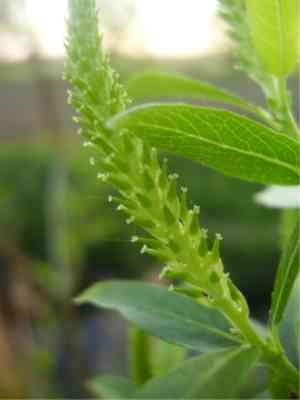
1
Almond willow flourishes in soil that drains effectively and can withstand diverse climatic circumstances.
2
Almond willow offers superb assistance for regional biodiversity, drawing in numerous insects and avian species.
3
Consistent trimming of Almond willow assists in preserving its form and promotes vigorous development.
Introducing Almond willow to Your Outdoor Space
Understanding the Growth Characteristics of Almond willow
When planning to incorporate Almond willow into your outdoor area, grasping its growth patterns is vital. Almond willow is known for its rapid development, often reaching considerable heights quite quickly. This swift growth makes it perfect for establishing privacy screens or windbreaks in larger landscapes. Furthermore, its multi-stemmed growth habit can add a touch of untamed beauty to your garden, offering both structure and motion. Ensure you have ample room to accommodate its growth, as overcrowding can lead to unhealthy competition for resources.
Best Locations for Planting Almond willow
Selecting the appropriate site for Almond willow is crucial for its health and vitality. Ideally, Almond willow should be situated in areas receiving full to partial sunlight to ensure optimal development. It flourishes in well-drained soil but also tolerates occasional waterlogging, making it adaptable for various landscape settings. Placing Almond willow near water features, such as ponds or streams, can enhance its natural appeal and foster a peaceful ambiance. However, avoid planting it too close to structures or subterranean utilities to prevent potential root interference.
Seasonal Considerations for Almond willow
Seasonal factors play a significant role in the successful integration of Almond willow into your landscape design. The optimal planting period for Almond willow is during its dormant phase, typically in late autumn or early spring. This allows the root system to establish itself before the active growing season commences. In spring, you'll observe vigorous growth as Almond willow comes alive with fresh foliage. During autumn, the tree offers a beautiful display of fall colors, adding seasonal interest to your garden. Consistent watering during dry spells and mulching to retain soil moisture are essential for establishing young plants.
Designing with Almond willow: Aesthetic and Practical Benefits
Visual Impact: Color and Structure
Almond willow can significantly boost your garden's visual appeal with its distinct color and form. The leaves of Almond willow are typically vibrant green, providing a lush backdrop throughout the growing season. In autumn, the foliage may turn a lovely yellow, adding a burst of color to your landscape. Moreover, its multi-stemmed, arching branches offer an organic, flowing structure that contrasts beautifully with more rigid garden elements like stone paths or wooden fences. This visual diversity enriches the overall garden aesthetic, making it more dynamic and engaging.
Enhancing Biodiversity with Almond willow
Integrating Almond willow into your landscape can significantly increase local biodiversity. The tree serves as a habitat and food source for various insects, including bees and butterflies, which are vital for pollination. Birds also find shelter within its branches, utilizing them as nesting sites. By attracting a range of wildlife, Almond willow contributes to a balanced ecosystem in your garden. This biodiversity not only supports the environment but also enlivens your landscape with the fluttering of wings and the hum of insects.
Practical Uses of Almond willow in Landscape Design
Beyond its aesthetic charm, Almond willow provides several practical advantages for your garden. Its robust root system helps stabilize soil, making it an excellent choice for erosion control on slopes or near waterways. Additionally, the dense foliage of Almond willow can act as a natural windbreak, shielding more delicate plants from harsh winds. The tree's rapid growth also makes it ideal for screening, offering privacy and reducing noise from adjacent properties or busy roads. These practical applications make Almond willow a valuable addition to any well-conceived landscape design.
Maintenance and Longevity of Almond willow in Landscaping
General Maintenance Tips for Almond willow
Maintaining Almond willow in your garden is relatively straightforward with some basic care. Regular irrigation, especially during dry periods, ensures that Almond willow remains healthy and vibrant. Mulching around the base helps retain soil moisture and suppresses weeds. Pruning is crucial for Almond willow, as it promotes new growth and helps maintain a desired shape. It's best to prune during the dormant season to minimize stress on the plant. Promptly removing any dead or diseased branches will also foster overall plant health.
Addressing Common Challenges with Almond willow
While Almond willow is generally resilient, it does present some challenges. Common pests such as willow aphids can impact its health, so consistent monitoring is essential. Applying insecticidal soap or introducing natural predators like ladybugs can help manage infestations. Additionally, fungal diseases like rust can occur in humid conditions. Ensuring good air circulation around the plant and avoiding overhead watering can reduce the risk of fungal issues. If diseases are identified, removing affected leaves or branches can prevent further spread.
Creative Ideas and Inspirations Using Almond willow
Innovative Planting Ideas for Almond willow
Get creative with Almond willow by exploring novel planting concepts. Consider using Almond willow as a living sculpture by training its flexible branches into artistic forms or arches. This can become a unique focal point in your garden. Alternatively, plant Almond willow in clusters to create a natural grove, providing a peaceful retreat space. Incorporating Almond willow along pathways can also guide visitors through your garden, creating a sense of journey and exploration. These imaginative uses of Almond willow can transform your landscape into an artistic expression of nature.
Combining Almond willow with Other Plants
Pairing Almond willow with other plants can enhance the visual and ecological dynamics of your garden. Combine Almond willow with perennial flowers that thrive in similar conditions to create a harmonious color palette and varied textures. Ornamental grasses can complement the arching branches of Almond willow, adding movement and contrast. Additionally, planting Almond willow alongside shrubs that flower at different times of the year can ensure continuous visual interest and provide extra resources for pollinators. These thoughtful combinations can create a cohesive and vibrant garden design.



