How to Prune Almond willow?
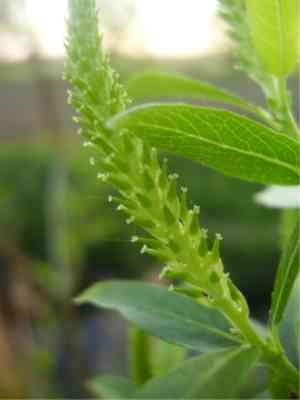
Given its elongated foliage and preference for damp environments, Salix triandra thrives with appropriate trimming. Essential methods involve reducing the density of mature branches and shortening new growths to preserve its form and stimulate fresh development. The most suitable periods for pruning are late winter or early spring, prior to the emergence of new foliage. Trimming Salix triandra can boost its vigor and improve air movement, thereby aiding in disease prevention. Consistent, measured pruning sustains its aesthetic value and fosters a robust framework.
Advantages of Trimming Almond Willow
Advantages of Trimming Almond Willow
Trimming almond willow promotes robust development and maintains its desired form. It stimulates fresh, healthy shoots and helps structure the plant optimally for aesthetic appeal and strong vitality.
Optimal Time for Pruning Almond Willow
Optimal Time for Pruning Almond Willow
Pruning almond willow in late winter or early spring is considered ideal because this period aligns with its dormant phase before the growth cycle begins. Pruning before new shoots and leaves emerge allows the plant to recover and direct energy towards developing new, healthy material. Furthermore, removing dead or undesirable branches at this time reduces the risk of disease transmission and pest infestations, which are more common during warmer, active growing seasons. The absence of foliage also provides better visibility for making informed pruning decisions, enabling more precise cuts and a more aesthetically pleasing shape. This timing also avoids disrupting almond willow's natural flowering cycle, which typically occurs in spring, ensuring blooms are not prematurely removed and the plant can display its full ornamental value.
Tools Required for Pruning Almond Willow
Hand Pruners
Perfect for trimming small twigs and branches on almond willow. These tools allow for precise cuts and can handle branches up to 3/4 inches in diameter, suitable for almond willow's thinner growth.
Loppers
Suitable for cutting thicker branches of almond willow that hand pruners cannot manage. With long handles, they provide leverage to cut branches up to 2 inches in diameter, ideal for almond willow's medium-sized limbs.
Pruning Saw
Essential for removing larger branches from almond willow that are too thick for hand pruners and loppers. A pruning saw is designed to cut on the pull stroke, offering control and efficiency.
Pole Pruner
Enables cutting branches on taller specimens of almond willow without needing a ladder. This is particularly useful for reaching higher branches while ensuring ground-level safety.
Hedge Shears
Useful for shaping and maintaining the dense foliage of almond willow if grown as a hedge. These shears allow for trimming multiple small branches and leaves in one cut.
How to Prune Almond Willow
Identification
Thoroughly inspect almond willow to identify all diseased leaves, withered leaves, dead branches, and diseased branches that need removal.
Sanitation
Prioritize cleanliness by first removing any diseased parts to prevent infection spread. Make a clean cut to diseased and withered leaves close to the base, using sterilized pruning shears.
Dead Wood Removal
Cut away all dead branches with sharp, clean tools to prevent tearing. Make cuts at a slight angle just above a healthy bud or branch junction to encourage proper future growth.
Shaping
Thin out overcrowded areas to improve air circulation and sunlight penetration. Focus on selectively pruning back branches to maintain or enhance the overall shape of almond willow.
Cleanup
Properly dispose of all pruned material, especially diseased debris, to reduce the risk of further infections. Clean tools after use to prevent disease spread.
Common Pruning Errors with Almond Willow
Over-Pruning
Removing excessive foliage or too many branches can stress almond willow and make it susceptible to diseases or pest infestations. Aim to remove no more than one-third of the plant's total volume in a single pruning session.
Sharpness
Using dull tools can result in jagged cuts that are more prone to infection. Always use sharp, clean pruning tools to make clean cuts that almond willow can heal from more quickly.
Cut Placement
Incorrect cut placement can lead to water sprouts or weak growth. When cutting back branches on almond willow, ensure to cut just above a bud facing the desired growth direction, without leaving a stub.
Flush Cutting
Making flush cuts against the trunk or parent branch can damage the plant's natural healing structures. Instead, cut just outside the branch collar to encourage proper wound closure.
Neglecting Dead Wood
Failing to remove dead, diseased, or damaged wood can compromise almond willow's health. Regularly inspect and remove these non-viable parts to maintain plant vigor.
General Pruning Advice for Almond Willow
Selective Pruning
Focus on thinning rather than topping, which means selectively removing branches to enhance almond willow's structure, improve light penetration, and encourage airflow.
Tool Sanitation
Disinfect pruning tools between cuts when dealing with diseased branches to prevent the spread of pathogens throughout almond willow or to other nearby plants.
Growth Direction
Encourage the desired shape and direction of growth by cutting to an outward-facing bud. This helps almond willow develop a more open canopy which can promote improved health and flowering.
Water Sprouts Removal
Regularly remove water sprouts, which are fast-growing vertical shoots, as they can sap energy from almond willow and create a cluttered structure.
Post-Pruning Care
After pruning, care for almond willow by providing adequate water and possibly a balanced fertilizer to support recovery and new growth.



