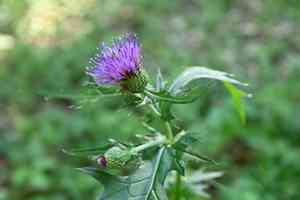
Japanese thistle (Cirsium japonicum)
Also known as: Japanese Thistle, East Asian Thistle
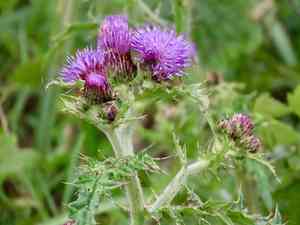
The stem of Japanese thistle typically measures between 50 and 150 centimeters in height. The leaves are feather-like and edged with thorns, with their bases clasping the stem. Basal leaves persist during the flowering period, which usually spans from spring to summer, although some plants may bloom as late as fall. The flower heads, which are around 4 to 5 centimeters in diameter, consist exclusively of tubular florets and are generally purple, though white variations can occasionally be found.
In This Article
Attributes of Japanese thistle
Lifespan
Perennial, Biennial
Plant Type
Herb
Plant Height
30 cm to 80 cm
Spread
40 cm to 60 cm
Leaf Color
Green
Flower Size
4 cm to 5 cm
Flower Color
Pink Purple Red
Images of Japanese thistle
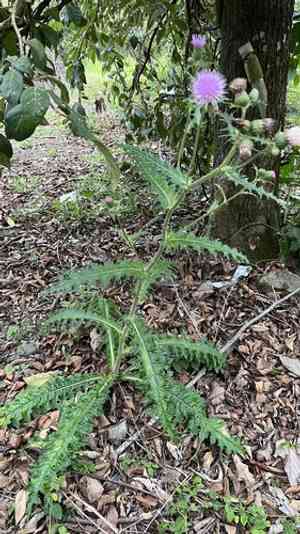
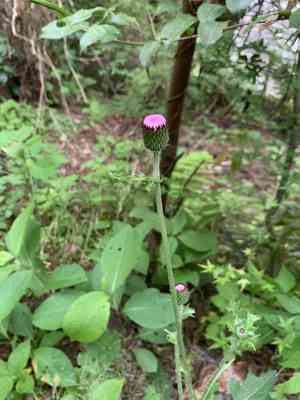
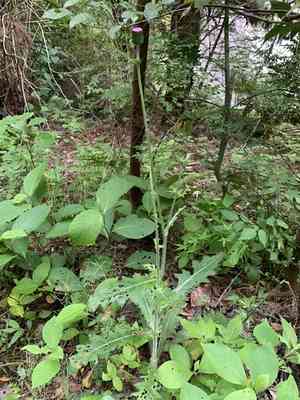
Quickly Identify Japanese thistle
1
Look for spiny, lobed leaves and bright pink to purple flowers that bloom from summer to early fall. The plant typically grows in clumps with sturdy stems and can be identified by its characteristic thistle-like appearance.
Scientific Classification of Japanese thistle
Phylum
Vascular plants
Class
Dicotyledons
Order
Asterales
Family
Daisy
Genus
Thistles
Species
Japanese thistle
Planting and Growing of Japanese thistle
Care Difficulty
Easy
Watering Schedule
Every 4 days
Sunlight Requirements
Full sun
Sunshine Duration
6-12 hours
Ideal Temperature
60-75℉
Soil Type
Potting Mix, Peat Mix
Soil pH
5.5-7.5
Fertilizer Type
Balanced
Pruning Season
Spring, Summer
Pruning Area
Branches, Leaves
Pruning Frequency
2 times a year
Repotting Season
Spring
Pot Type
Plastic, Ceramic
 How to Water Japanese thistle?
Cirsium japonicum requires moderate watering. Approximately 250 milliliters of water per session is ideal, ensuring the soil remains moist but not waterlogged. The key is to observe the top inch of the soil—it should feel consistently moist to the touch.
What are the symptoms of an underwatered Japanese thistle?
›
What should I do if my Japanese thistle is not getting enough water?
›
What are the symptoms of an overwatered Japanese thistle?
›
How to save an overwatered Japanese thistle?
›
 What Are the Sunlight Requirements for Japanese thistle?
Partial sun to full sun is ideal. Under these conditions, the plant can absorb ample energy to optimize photosynthesis, thus promoting flower development and overall plant health.
More About Sunlight Requirements Techniques→
What is the best sunlight for Cirsium japonicum?
›
How to achieve ideal sunlight exposure?
›
What are the benefits of ideal light exposure?
›
 What Is the Ideal Temperature Range for Japanese thistle?
Cirsium japonicum thrives best in temperatures ranging from 60°F to 75°F. This range ensures optimal growth and flower development, as it mimics the plant's native habitat conditions. Maintaining this temperature during the growing season will ensure a healthy plant that flowers abundantly.
 What Soil is Best for Japanese thistle?
Cirsium japonicum thrives in well-drained soil, which ensures that water doesn’t accumulate around the roots, preventing root rot and allowing the plant to absorb oxygen effectively. This plant prefers nutrient-rich soil. Adequate nutrients in the soil promote vigorous growth, vibrant blooms, and overall plant health. Soil with moderate moisture retention supports Cirsium japonicum by holding enough water for the plant's needs without becoming waterlogged, ensuring consistent hydration.
 How to Fertilize Japanese thistle?
For Cirsium japonicum, it's important to provide a balanced feeding regime. Use a liquid fertilizer with an NPK ratio of 10-10-10. Mix 1 tablespoon of this fertilizer per gallon of water. Apply evenly over the soil surface during the active growing season.
 How to Prune Japanese thistle?
Use clean and sharp pruning shears to cut back any dead or damaged stems. Aim to cut back to the base of the plant to encourage better air circulation and light penetration, which are essential for preventing fungal diseases. After the flowering season, remove spent blooms by cutting just above the next healthy leaf set. This will not only improve the plant's appearance but also stimulate the growth of new buds, ensuring continuous blooming through the season. For aesthetic appeal and to maintain a healthy structure, prune Cirsium japonicum to a balanced shape by trimming protruding branches back to the main stem or a lateral branch. This helps prevent the plant from becoming leggy and unsightly.
More About Pruning Techniques→
 How to Propagate Japanese thistle plant?
1
Before planting seeds, prepare the soil by loosening it with a rake and removing any weeds or debris. This ensures that the seeds have a nutrient-rich environment to grow in.
2
Gently sow the seeds in the seed tray or prepared garden bed, covering them lightly with soil. Water the area softly to avoid washing away seeds.
3
Carefully lift the plant and gently separate the roots into smaller sections. Replant each section at the same depth to help the divisions establish themselves quickly.
 How to Repot Japanese thistle plant?
1
You'll know it's time to repot Cirsium japonicum when you see roots pushing through the drainage holes or when water sits on the surface after watering. Another signal is the plant looking less vibrant than before, struggling for space.
2
Choose a pot that is one size larger than the current one, with ample drainage holes. This allows the roots to expand without waterlogging, maintaining healthy growth. The pot's material is important too—ceramic or plastic are good choices for retaining the right amount of moisture.
3
A well-draining loamy soil is ideal, as it wicks excess moisture away while retaining necessary nutrients. This soil prevents root rot and provides aeration, ensuring your Japanese thistle thrives robustly in its new environment.
Learn More About Japanese thistle Diseases
Anthracnose
Bacterial Leaf Spot
Bacterial Wilt
Crown Gall
Cyst Nematode
Damping-off
Downy Mildew
Drought Stress
Fusarium Wilt
Gray Mold
Leaf Spot
Mosaic
Nutrient Deficiency
Nutrient Toxicity
Powdery Mildew
Root Rot
Root-knot Nematode
Rusts
Sooty Mold
Spider Mites
Temperature Stress
Thrips Damage
White Mold



