How to Prune Japanese thistle?
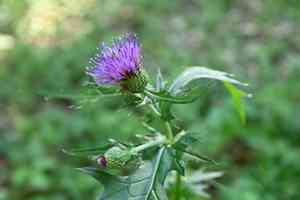
A thorny perennial recognized for its vivid blooms, japanese thistle flourishes with consistent trimming. Eliminate faded flowers and trim back any deceased or overly dense stalks to encourage fresh development and inhibit seed production. Perform pruning in late spring subsequent to flowering to preserve its form and enhance air movement. Reducing density in congested sections during summer can also boost the plant's well-being. Trimming not only fosters a more compact structure but also discourages undesirable proliferation, thereby managing japanese thistle within cultivated areas.
What Are the Benefits of Pruning Japanese Thistle?
What Are the Benefits of Pruning Japanese Thistle?
Trimming japanese thistle promotes robust development and assists in maintaining a desired plant form. Consistent trimming ensures energy is directed towards producing new, strong shoots, enhancing overall health and aesthetic appeal.
What Is the Best Time for Pruning Japanese Thistle?
What Is the Best Time for Pruning Japanese Thistle?
Trimming or cutting back japanese thistle in spring and early summer aligns with the plant's natural growth cycle, encouraging strong development and ensuring good plant health. Spring pruning, performed just before or as new growth begins, helps remove any winter-damaged or diseased stems and stimulates vigorous growth. Early summer pruning, after japanese thistle has bloomed, allows gardeners to shape the plant and manage its size. This timing also prevents cutting off flower buds which form on new growth, crucial for plants that flower in mid to late summer. Pruning in these seasons helps maintain a pleasing appearance and prevents japanese thistle from expending energy on unwanted or excessive foliage.
What Tools Do I Need to Prune Japanese Thistle?
Hand Pruners
For shaping and trimming japanese thistle, durable hand pruners are essential. They enable precise cuts on smaller stems and are perfect for removing spent flowers and seed heads to prevent self-seeding.
Gloves
Given the thorny nature of japanese thistle, wearing thick gloves is vital to protect hands during the pruning process.
Long-handled Loppers
When cutting through thicker stems or reaching into dense growth without getting too close, long-handled loppers offer leverage and safety.
Pruning Saw
For mature japanese thistle with woody, thick stems, a pruning saw makes clean cuts without harming the plant or causing undue strain to the gardener.
Safety Glasses
To shield eyes from thorns and debris, wearing safety glasses is advisable while pruning japanese thistle.
How to Prune Japanese Thistle
Disinfect Tools
Before pruning japanese thistle, ensure all pruning tools are sanitized to prevent the spread of disease. Clean them with a solution of one part bleach to nine parts water or use isopropyl alcohol.
Remove Diseased Leaves
Carefully inspect japanese thistle for diseased leaves. Using your disinfected pruning shears, trim away any leaves that show signs of illness, cutting at the base where the leaf stem meets the main plant stem.
Remove Withered Leaves
Identify any withered or dead leaves on japanese thistle. These can be gently plucked by hand or trimmed with shears, ensuring a clean cut to avoid damaging healthy parts of the plant.
Remove Diseased Stems
Examine the stems of japanese thistle for any signs of disease. Use your shears to cut back any diseased stems to a healthy section, making sure to cut just above a leaf node or branching point to promote healthy regrowth.
Clean Up
After pruning japanese thistle, collect and dispose of all removed diseased and withered leaves and stems. Do not compost these materials as they may harbor disease. Clean and disinfect your tools once again to minimize disease transmission.
Common Pruning Mistakes with Japanese Thistle
Overzealous Pruning
It's a mistake to prune japanese thistle back too severely. Doing so can stress the plant, reduce its vigor, and potentially inhibit its ability to flower properly.
Incorrect Cuts
Making cuts too far from the nodes or leaving long stubs can lead to unhealthy growth and may expose japanese thistle to disease or pest infestation.
Using Blunt Tools
Pruning with dull blades can result in jagged cuts that do not heal properly, opening japanese thistle up to various health issues.
Pruning Without Cleaning Tools
Failing to sterilize pruning tools before use can transfer pathogens from infected plants to healthy ones, thereby spreading disease to japanese thistle.
Ignoring Plant Health
Attempting to prune when japanese thistle is unhealthy or stressed can worsen its condition instead of promoting growth.
Common Pruning Tips for Japanese Thistle
Correct Technique
Use sharp, clean pruning shears, and make clean cuts at a 45-degree angle near the nodes to promote healthy regrowth.
Selective Pruning
Focus on thinning out crowded areas and removing dead, diseased, or weak stems to improve air circulation and light penetration for japanese thistle.
Encourage Flowering
Prune spent flowers to encourage more blooms, but leave some if you desire the ornamental seed heads japanese thistle can provide.
Consider Plant Size
Regular, light pruning is preferable for japanese thistle, maintaining its natural shape while stimulating new growth.
Prune For Vigor
Remove only the necessary amount of growth to revitalize japanese thistle while preserving its integrity and ensuring it has enough foliage to photosynthesize effectively.



