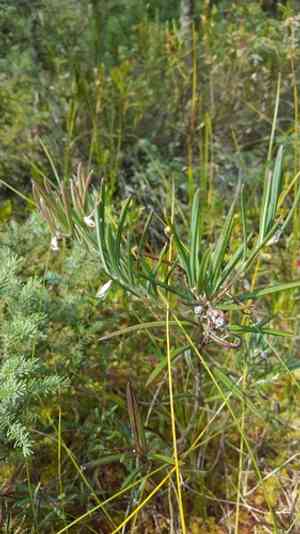
Wild rosemary (Andromeda polifolia)
Also known as: Andromeda
Andromeda polifolia, also known as bog rosemary, is a small evergreen shrub that contains a toxic compound called andromedotoxin. This plant is typically found in bogs and peat-rich areas across northern regions of Europe, Asia, and North America. Despite its common name, it is not related to true rosemary, though they look somewhat similar.
In This Article
Attributes of Wild rosemary
Lifespan
Perennial
Plant Type
Shrub
Plant Height
30 cm to 61 cm
Spread
60 cm to 90 cm
Leaf Color
Green Blue
Flower Size
2.5 cm
Flower Color
White Pink
Images of Wild rosemary
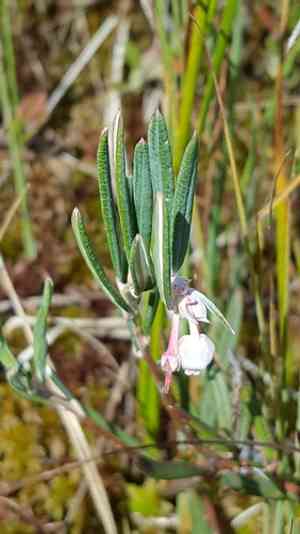
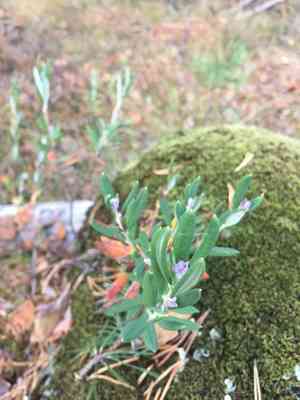
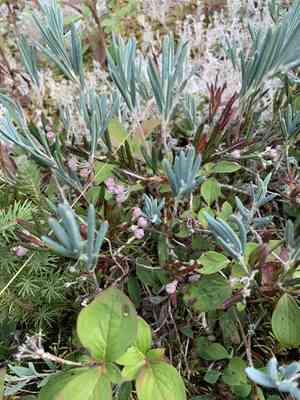
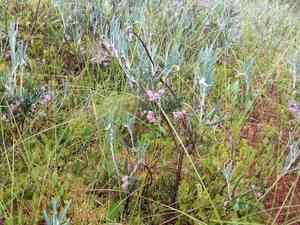
Quickly Identify Wild rosemary
1
Low-growing mat formation
2
Bell-shaped pink or white flowers
3
Inconspicuous small brown capsules
4
Narrow, leathery leaves with sharp tips
5
Bluish-green foliage resembling rosemary
Scientific Classification of Wild rosemary
Phylum
Vascular plants
Class
Dicotyledons
Order
Ericales
Family
Heath
Genus
Andromeda
Species
Wild rosemary
Planting and Growing of Wild rosemary
Care Difficulty
Hard
Watering Schedule
Every 3 days
Sunlight Requirements
Full sun
Sunshine Duration
4-8 hours
Ideal Temperature
59-68℉
Soil Type
Potting Mix, Peat Mix
Soil pH
4-5.5
Fertilizer Type
Balanced
Pruning Season
Spring, Summer
Pruning Area
Branches, Leaves
Pruning Frequency
2 times a year
Repotting Season
Spring
Pot Type
Plastic, Terracotta
 How to Water Wild rosemary?
Andromeda polifolia thrives in consistently moist soil, so aim to provide approximately 250 milliliters of water each time. Ensure the soil feels evenly moist but not waterlogged. The goal is to mimic its natural boggy habitat without causing root rot.
What are the symptoms of an underwatered Wild rosemary?
›
What should I do if my Wild rosemary is not getting enough water?
›
What are the symptoms of an overwatered Wild rosemary?
›
How to save an overwatered Wild rosemary?
›
 What Are the Sunlight Requirements for Wild rosemary?
Partial sun environments are best, which supply sufficient sunlight while protecting from midday extremes. This balance ensures robust foliage, vibrant flowering, and a strong plant immune system.
More About Sunlight Requirements Techniques→
How much light does Andromeda polifolia need?
›
What are the solutions to achieving ideal lighting?
›
What are the benefits of ideal lighting?
›
 What Is the Ideal Temperature Range for Wild rosemary?
Andromeda polifolia thrives best within a temperature range of 59 to 68 °F. This range is optimal because it mirrors the cooler climates the plant naturally inhabits. Such temperatures promote healthy growth, flowering, and overall vitality, ensuring that the plant's physiological processes, such as photosynthesis, transpiration, and nutrient uptake, occur efficiently.
 What Soil is Best for Wild rosemary?
Andromeda polifolia thrives in soil that retains moisture without becoming waterlogged. The capacity of peat soil to hold moisture ensures that the roots remain hydrated, which is crucial for the plant's health and growth. This plant flourishes in a soil environment rich in organic matter. The presence of such nutrients supports vigorous growth and vivid foliage, enhancing its overall vitality. Good soil structure that allows for proper aeration is essential for Andromeda polifolia. This helps avoid root rot and ensures that oxygen reaches the roots, promoting healthy plant development.
 How to Fertilize Wild rosemary?
Andromeda polifolia, commonly known as bog rosemary, thrives in nutrient-poor soils. Therefore, careful attention to fertilization is crucial. When using liquid fertilizers, target a concentration of about 1/4 of the standard houseplant fertilizer solution to maintain balanced nutrient levels without overwhelming the plant.
 How to Prune Wild rosemary?
Begin pruning Andromeda polifolia by identifying any dead, damaged, or diseased branches. Use sharp pruning shears to make clean cuts at a 45-degree angle, just above the base of the branch or a bud. Focus on removing these undesirable parts first, as they're the most detrimental to plant health. After eliminating problem areas, move on to shaping the plant. Trim any overly long or unruly branches to maintain a compact and aesthetically pleasing form. This helps promote a bushier growth habit and ensures sunlight can reach the inner parts of the plant.
More About Pruning Techniques→
 How to Propagate Wild rosemary plant?
1
Select healthy plant stems and use the pruning shears to cut sections about 4-6 inches long. Remove leaves from the lower half of the cuttings to prevent rot.
2
Dip the cut end of each stem in rooting hormone powder. This will accelerate the root formation process and increase the success rate of your cuttings.
3
Insert the cuttings into pots filled with a sterile potting mix. Keep the soil consistently moist and maintain a warm environment to encourage rooting.
 How to Repot Wild rosemary plant?
1
Andromeda polifolia should be repotted during early spring or autumn when the plant exhibits slow growth or outgrows its container. Look for roots emerging from drainage holes as a sign it needs more space. Another indicator could be the compactness of the soil; if it's too dense, it's time to rehydrate with fresh soil.
2
Choose a pot that is slightly larger than the current one but has ample drainage holes. The pot's size should encourage healthy growth without drowning the roots. A clay or terracotta pot can be ideal as it helps in maintaining moisture balance necessary for Andromeda polifolia.
3
Opt for an acidic, well-draining soil mix, similar to what rhododendrons thrive in. This ensures the plant receives the right nutrients while preventing root rot. Good drainage is essential to mimic its natural bog-like conditions without waterlogging.
Toxicity
Ingestion
WARNING
The judgment on toxicity and danger is for reference only. We DO NOT GUARANTEE any accuracy of such judgment. Therefore, you SHALL NOT rely on such judgment. It is IMPORTANT TO SEEK PROFESSIONAL ADVICE in advance when necessary.



