How to Propagate Wild rosemary?
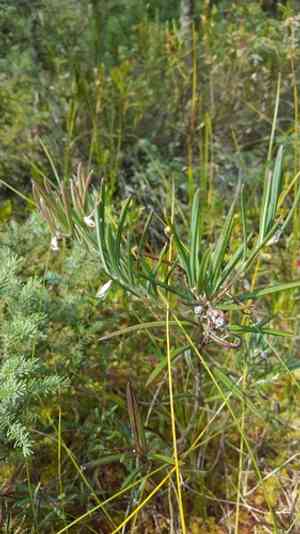
Wild rosemary flourishes with appropriate propagation, given its particular requirements. The most effective technique involves obtaining cuttings, which must be meticulously handled to incorporate semi-hardwood. These cuttings would benefit from a rooting stimulant and a porous soil blend to foster development. Diligent misting and sustaining elevated humidity are vital for successful root formation. Adhering to these precise strategies allows cultivators to guarantee robust new specimens.
Optimal Period for Wild Rosemary Propagation
Propagation Method
Cutting
Propagation Period
Spring,Summer
Tools for Wild Rosemary Propagation
Sharp pruning shears
These are crucial for making clean cuts from wild rosemary, minimizing harm to the parent plant and boosting the likelihood of successful rooting. Sharp blades ensure precise cuts, vital for reducing stress and disease spread in wild rosemary.
Rooting hormone powder or gel
Applying a rooting hormone to the cut ends of wild rosemary significantly boosts root development. This hormone stimulates root growth at the cut site, which is critical for wild rosemary as it helps establish a strong root system more rapidly, increasing propagation success rates.
Sterilized pots and fresh potting mix
Using sterilized pots and a fresh, well-draining potting mix free from pathogens ensures a healthy growing environment for wild rosemary cuttings. This environment reduces the risk of soil-borne diseases which can critically hamper the fragile initial growth stages.
Plastic covers or domes
Creating a humid micro-environment is beneficial for wild rosemary cuttings, as it prevents excessive moisture loss from the foliage. This tool helps maintain an optimal humidity level around the cutting, which is necessary for encouraging root development.
How to Propagate Wild Rosemary?
Propagation Difficulty
Moderately Difficult
Caring for Your Newly Propagated Wild Rosemary
Caring for Your Newly Propagated Wild Rosemary
Once the wild rosemary cutting is planted, keep the soil consistently moist but avoid saturation. Position the pot in a spot with indirect bright light. Shield it from extreme temperatures and, if possible, provide a high humidity environment, for example, by covering the pot with a clear plastic bag with ventilation. Roots typically form within 4-6 weeks, after which you can gradually introduce more direct light to acclimate wild rosemary to normal growing conditions.
Common Mistakes to Avoid When Propagating Wild Rosemary
Overwatering
Providing too much water can lead to root rot for wild rosemary, a plant species that prefers well-drained, acidic soils. Excessive moisture can stifle root development and limit the plant's overall growth.
Using non-acidic soil
Utilizing garden soil or mixes that are not specifically acidic can be detrimental. Wild rosemary thrives in acidic conditions, and failure to provide such an environment can lead to poor nutrient absorption and stunted growth.
Deep planting
Planting cuttings or seedlings too deeply can cause wild rosemary to suffer from a lack of oxygen to the roots. This can inhibit root establishment and reduce the overall propagation success.
Tips For Propagating Wild Rosemary
Use of acidic, well-draining soil
For successful propagation, ensure that wild rosemary is planted in soil that mimics its natural habitatâacidic and well-draining. This encourages healthy root development and optimal plant health.
Maintaining appropriate moisture levels
While wild rosemary requires moist conditions, it is crucial to balance this with proper drainage to prevent root issues. Regularly check that the soil is damp but not waterlogged.
Shallow planting
When planting cuttings or seedlings, keep them shallow to allow sufficient oxygen reach the roots. This practice helps in establishing a robust root system.



