How to Transplant Wild rosemary?
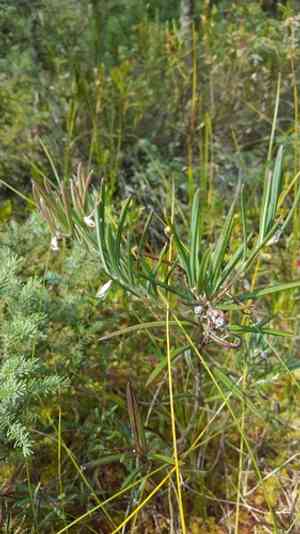
The most favorable period for relocating wild rosemary is as late spring transitions into early summer, providing moderate warmth and steady hydration. Choose a location featuring acidic, damp earth and dappled sunlight. Bear in mind, wild rosemary flourishes with careful treatment and minimal disruption to its root system.
Necessary Preparations Before Relocating Wild Rosemary?
Optimal Period for Moving Wild Rosemary?
The best time to move wild rosemary is from late spring into early summer, allowing it to benefit from moderate temperatures and stable growth conditions. Introducing wild rosemary to your garden during this time ensures better root establishment and a smooth transition, as the soil is warm and the environment is supportive. Utilize this window to help your wild rosemary flourish, taking advantage of nature's ideal transplanting conditions.
Required Spacing Between Wild Rosemary Plants?
Position wild rosemary approximately 3-4 feet (about 0.9-1.2 meters) apart. This provides each plant sufficient room to thrive without overcrowding. A simple method is to measure out the area with a tape measure.
Ideal Soil Blend for Wild Rosemary Relocation?
Wild rosemary prefers acidic soil enriched with peat moss or compost. Prior to planting, amend the soil with an initial base fertilizer such as bone meal. This will supply the essential nutrients wild rosemary needs for a healthy start.
Recommended New Location for Your Wild Rosemary?
Select a spot with ample sunlight exposure. However, wild rosemary benefits from some afternoon shade, especially during hotter months. Areas receiving morning sun and a bit of afternoon shade are perfect for wild rosemary.
Equipment Needed Before Transplanting Wild Rosemary?
Shovel or Spade
This tool is essential for digging out the wild rosemary from the ground, pot, or seedling tray. It will also be useful for preparing the planting hole.
Gardening Gloves
To safeguard your hands while handling soil and plants.
Watering Can
For ensuring the soil around the wild rosemary remains moist, which is particularly important to prevent plant stress during transplanting.
Trowel
This can be useful for refining the planting hole and adding soil during the transplanting process.
Compost
Needed to provide initial nourishment to the plant after transplanting. Place this at the bottom of the planting hole.
Bucket or Wheelbarrow
To transport the removed wild rosemary to its new site.
How to Extract Wild Rosemary from the Soil?
How to Extract Wild Rosemary from the Soil?
From Ground: First, hydrate the wild rosemary plant to moisten the soil. This helps the soil cling to the roots and lessens the shock of removal. Dig a trench around the plant using a shovel or spade, ensuring you go deep enough to keep the plant's root ball intact. Carefully work the shovel beneath the root ball to lift the plant from its spot.From Pots: Before starting, water the plant. Turn the pot sideways, grasp the wild rosemary as close to the base as possible, and gently pull and twist the plant out of the pot. Avoid yanking the plant, as this can harm the roots.From Seedling tray: Water the tray before you begin. Using a trowel, carefully lift the seedling from the tray, making sure the root ball stays intact. Handle the wild rosemary by its leaves to prevent stem damage.
Step-by-Step Guide for Relocating Wild Rosemary
Preparation
Begin by digging a hole approximately twice as wide and as deep as the root ball of your wild rosemary. Place some compost at the bottom of the hole to provide an initial nutrient boost.
Placement
Gently position the wild rosemary in the hole. The top of the root ball should be level with or slightly above the ground surface.
Backfill
Refill the hole with soil, gently firming it around the base of the wild rosemary. Ensure you do not pile soil against the plant's stem, as this can lead to rot.
Watering
Water the wild rosemary generously after transplanting to settle the soil and eliminate any air pockets that may have formed. The soil should be kept consistently moist, but not waterlogged.
Post-Transplant Care for Wild Rosemary?
Temperature
Although wild rosemary is resilient, sudden temperature fluctuations can cause transplant shock. Aim to maintain a stable temperature around the plant whenever feasible.
Watering
Watering is vital during the initial weeks after transplanting. The soil should remain consistently moist, but not saturated, to prevent root rot.
Checkups
Monitor your wild rosemary closely in the days and weeks following the transplant. Look for any signs of wilting or discoloration that might indicate stress or illness. Respond promptly to any signs of distress to encourage a swift recovery.
Pruning
Lightly prune your wild rosemary to promote bushier growth in the seasons after transplant. Be careful not to over-prune, as this can stress the plant.
Resolving Common Issues with Wild Rosemary Transplantation.
When is the optimal time to transplant wild rosemary?
The most suitable period to transplant wild rosemary is between late spring and early summer (S3-S5).
What is the ideal spacing between each wild rosemary when transplanting?
Maintaining a distance of about 3-4 feet (0.91-1.22 meters) between each wild rosemary is optimal for healthy development.
How deep should I plant wild rosemary during transplantation?
Plant wild rosemary at the same soil depth as its previous location, typically around 10 inches (25 cm) deep.
What type of soil is best for transplanting wild rosemary?
Wild rosemary thrives in well-draining, slightly acidic soil. Enhance soil quality with organic matter for best outcomes.
Should I water wild rosemary immediately after transplanting?
Yes, watering wild rosemary immediately after transplanting helps settle the soil and reduce initial shock. Keep the soil consistently moist, but avoid waterlogging it.
Why are the leaves of my transplanted wild rosemary turning brown?
Browning leaves can indicate that your wild rosemary is experiencing transplant shock. Ensure it is not overwatered and receives adequate sunlight.
How can I help my transplanted wild rosemary recover from transplant shock?
Wild rosemary receiving proper sunlight, water, and suitable soil conditions should recover. Minimize stress by avoiding heavy pruning or fertilizing right after transplanting.
Does wild rosemary require a specific location after being transplanted?
Wild rosemary prefers a location with partial to full sunlight exposure. Avoid excessively hot or windy environments.
Why isn't my transplanted wild rosemary growing as expected?
Insufficient spacing, poor soil conditions, improper watering, or lack of sunlight could be hindering your wild rosemary's growth. Ensure all these factors are addressed.
Should I add mulch after transplanting wild rosemary?
Yes, applying a layer of mulch helps retain soil moisture and keeps the root system cool. Spread it evenly around the base, but avoid contact with the stem.



