The Wild rosemary Plant Advantage: Maximizing Home and Office Appeal and Wellness
1
Wild rosemary offers excellent aesthetic appeal for garden settings.
2
It thrives naturally in damp soils and colder environments.
3
Boosts ecological diversity by drawing in helpful insects.
Why Select Wild Rosemary for Your Garden?
Boosts Visual Appeal
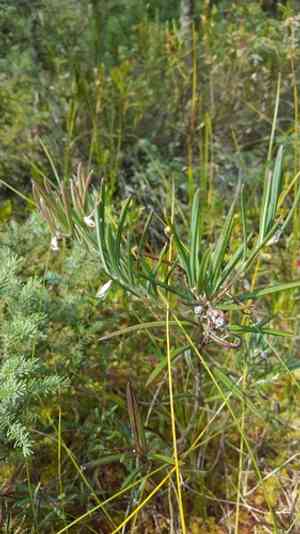
Wild rosemary showcases striking needle-like foliage and charming pink or white blossoms, making it an excellent addition to garden settings. Its evergreen nature ensures your garden remains vibrant throughout the year, offering visual interest even in colder months. It can be effectively utilized in borders, container gardens, or as ground cover due to its low-growing habit.
Minimal Upkeep Requirements
Wild rosemary is notably low-maintenance, needing little intervention once established. Its natural resistance to pests and diseases reduces the necessity for chemical treatments, making it an eco-friendly option for gardeners aiming to lessen their environmental footprint. Furthermore, Wild rosemary is drought-tolerant and thrives in acidic, moist soils, making it a versatile choice for various garden environments.
Ecological Advantages of Cultivating Wild Rosemary
Supports Local Wildlife
A key benefit of Wild rosemary is its capacity to attract and sustain local wildlife. Its flowers provide nectar for bees, butterflies, and other pollinators, playing a vital role in maintaining biodiversity. This not only enhances your garden's ecological health but also contributes to broader environmental conservation efforts.
Enhances Soil Quality
Wild rosemary is adept at stabilizing soil, preventing erosion, especially in wetter areas. Its root system helps to bind the soil, reducing runoff and promoting water infiltration. By improving soil structure, Wild rosemary ensures your garden remains fertile and well-drained, creating more favorable conditions for other plants to flourish.
Maximizing Wild Rosemary's Benefits in the Landscape
Optimal Growing Conditions
To get the most from Wild rosemary, it's crucial to plant it in suitable conditions. It prefers acidic, moist, and well-drained soils with some organic matter. Partial shade to full sun exposure is ideal to ensure robust growth and flowering. Regular mulching can help maintain the moist soil conditions that Wild rosemary favors.
Companion Planting Advice
Companion planting with Wild rosemary can enhance both its growth and the overall health of your garden. Pairing Wild rosemary with other acid-loving plants like azaleas or rhododendrons can create a harmonious garden environment. Additionally, evergreen shrubs and perennials can complement its foliage and flowering patterns, providing year-round interest and beauty.
How Can Wild Rosemary Contribute to Sustainable Gardening?
Minimizes Water Consumption
One of Wild rosemary's significant contributions to sustainable gardening is its ability to thrive with minimal watering once established. This reduces overall water usage in your garden, making it an excellent choice for eco-conscious gardeners. Its drought tolerance ensures your garden remains lush without unduly stressing water resources.
Reduces Need for Chemical Inputs
Wild rosemary's natural pest and disease resistance means it requires fewer chemical pesticides and fertilizers. This not only reduces the cost and labor associated with garden maintenance but also lessens the environmental impact. By planting Wild rosemary, you contribute to a healthier, more sustainable garden ecosystem.



