How to Prune Wild rosemary?
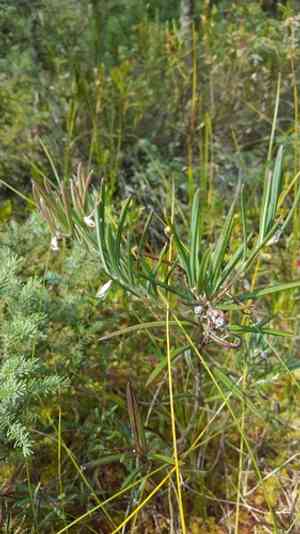
This perennial bush, recognized for its slender foliage and campanulate blossoms, flourishes with infrequent trimming to preserve its form and stimulate robust development. The ideal period to prune wild rosemary is in late spring or early summer, following its blooming cycle. Trimming efforts should concentrate on excising lifeless or ailing limbs, deadheading faded blooms, and thinning dense stems to boost air circulation. This discerning method amplifies flowering and deters ailments, guaranteeing wild rosemary stays lively and well-structured.
Advantages of Trimming Wild Rosemary
Advantages of Trimming Wild Rosemary
Trimming wild rosemary promotes blooming and deters pests and illnesses. By removing dead or weak stems, healthier development is fostered, boosting the plant's overall vitality and lowering the chance of infestation.
Optimal Time for Trimming Wild Rosemary
Optimal Time for Trimming Wild Rosemary
The best seasons for trimming wild rosemary are late spring and early summer, as these periods immediately follow its flowering cycle. Trimming during late spring helps remove any dead or damaged branches, allowing for improved plant health and growth in subsequent seasons. Early summer trimming is beneficial as it is a time when wild rosemary is actively growing, making it easier for the plant to recover from cuts and encouraging new growth. Trimming during these times also prevents the removal of flower buds, which are formed in the previous year, ensuring that the seasonal blooming is not negatively affected. Additionally, trimming wild rosemary after flowering allows gardeners to shape the plant without hindering next year's bloom.
Tools Required for Trimming Wild Rosemary
Bypass Pruners
Perfect for making clean cuts on wild rosemary's young, live stems without crushing them. Given wild rosemary's relatively small size, these pruners will offer precision.
Pruning Shears
Handheld shears are ideal for shaping wild rosemary and removing any dead or diseased foliage without harming the delicate branches of wild rosemary.
Gardening Gloves
To shield hands from the foliage of wild rosemary, which can be somewhat coarse, gloves are essential for the gardener's safety and comfort while trimming wild rosemary.
How to Trim Wild Rosemary
Clean Disinfect
Before beginning, clean and disinfect all trimming tools to prevent the spread of diseases to wild rosemary.
Remove Diseased
Carefully inspect wild rosemary and first remove any diseased leaves and branches by making clean cuts at the base of the affected area to prevent infection spread.
Remove Dead
Cut off all dead branches and withered leaves from wild rosemary, ensuring cuts are made close to the main stem to promote healing and prevent decay.
Shape
Trim withered flowers and excessive growth branches from wild rosemary to maintain the desired shape and encourage healthy new growth. Avoid over-trimming which can stress wild rosemary.
Thin Out
Thin out the center of wild rosemary if necessary by selectively removing some of the branches. This increases air circulation and light penetration, which can reduce the risk of diseases.
Common Trimming Errors with Wild Rosemary
Over-trimming
Removing too much foliage at once can stress wild rosemary and hinder its growth, as it relies on its leaves for photosynthesis.
Using dull tools
Dull trimming shears can create jagged cuts that are more susceptible to disease and may damage the delicate stems of wild rosemary.
Improper cut location
Cutting too far away from a bud or node, or leaving a stub, can prevent wild rosemary from healing properly and encourage disease.
Neglecting sanitation
Failing to clean tools before and after trimming wild rosemary can spread pathogens, potentially infecting the plant with diseases.
Trimming healthy growth
Trimming away healthy stems and foliage without reason can reduce wild rosemary's vigor and future flowering potential.
Uneven trimming
Trimming wild rosemary unevenly can lead to an unbalanced shape and adversely affect its appearance and health.
General Trimming Advice for Wild Rosemary
Sharp clean tools
Use sharp, clean trimming shears to make clean cuts that wild rosemary can heal from quickly, reducing the risk of disease.
Trim to healthy bud
When shortening branches, make cuts at a 45-degree angle about 1/4 inch above an outward-facing bud to encourage wild rosemary to grow in a desirable shape.
Thin out old wood
Selectively remove some of the older, non-productive stems at the base to rejuvenate wild rosemary and encourage new growth, which can lead to more flowers.
Shape carefully
Trim wild rosemary to maintain its natural shape, slightly rounding over the top, but avoid over-manicuring, which can lead to a less natural appearance.
Remove dead diseased
Cut away dead or diseased wood as soon as it's spotted, to prevent the spread of disease and to preserve the overall health of wild rosemary.
Trimming after flowering
Since timing information is excluded, focus on the fact that trimming should coincide with the wild rosemary's natural growth and dormant cycles for best results.



