How Often Should You Water Your Russian olive?
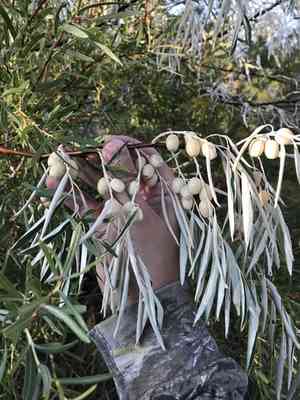
1
Generally, Russian olive needs watering approximately two times a week.
2
Examine the top 2 inches (5 cm) of earth; if arid, then it's time to irrigate.
3
Refrain from watering in the evening to reduce the risk of fungal development.
Deciphering the Hydration Requirements of Russian Olive
Spotting Indicators of Insufficient Water
A Russian olive displaying signs of inadequate watering might exhibit drooping, parched, or brittle leaves. Unlike other flora, more than just yellowing, sagging branches can be an immediate giveaway. Observe for dry, crumbly potting mix and foliage that appears dull or lifeless. If your Russian olive is grown outdoors and exposed to extreme temperatures, it's vital to examine the soil more often.
Identifying Symptoms of Excessive Watering
Conversely, providing too much water to a Russian olive can be equally damaging. The indicators here include yellowing or limp leaves that feel soft when touched. You might also notice the development of root decay, evidenced by a soft stem base or consistently moist soil. Fungal development is another sign to look for, often manifesting as mold on the soil surface or white spots on the leaves.
Optimal Practices for Irrigating Russian Olive
Determining the Regularity of Watering
The general advice is to water your Russian olive twice each week. However, this can fluctuate based on external elements such as climatic conditions and soil composition. During warmer months, you might need to increase this to ensure the plant stays hydrated. Conversely, reduce irrigation during rainy periods to prevent water saturation.
Choosing the Appropriate Time of Day for Irrigation
Timing is crucial when it comes to watering your Russian olive. The best periods are early morning or late afternoon. Irrigating during these times allows the plant to absorb moisture before the day's heat or evening coolness sets in, minimizing evaporation. Avoid watering in the late evening to lessen the risk of fungal growth, which flourishes in cool, damp conditions.
Seasonal Adjustments to the Watering Schedule
Modifying your watering routine with the seasons is essential. In spring and summer, you might need to water more often due to increased evaporation and growth rates. In autumn and winter, when the plant’s growth slows and water demands decrease, you should cut back. Always check the soil moisture first before watering, regardless of the season, to prevent overwatering.
Enhancing Soil and Drainage for Efficient Watering
Selecting the Perfect Soil Blend
For Russian olive, a well-draining soil mix is paramount. Opt for sandy or loamy soil which permits excess water to pass through easily, averting root rot. You can improve drainage by incorporating perlite or coarse sand into the soil. This will help ensure your Russian olive roots receive optimal oxygen levels and avoid stagnant water around the roots.
Improving Drainage to Prevent Waterlogging
Effective drainage is indispensable for a healthy Russian olive. Enhance pot drainage by ensuring there are sufficient holes at the bottom. If you’re cultivating it in the ground, create raised beds or mounds to facilitate water flow away from the roots. You can also integrate organic matter like compost, which improves soil structure and aids water movement.



