Optimal Soil for Growing Russian olive: What You Need to Know
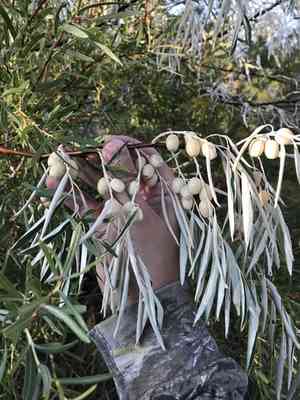
1
Russian olive prospers in adequately drained, rich soils having a pH range of 6.5 to 7.5.
2
Consistent soil analysis helps avoid lack of nutrients and enhances the plant's vitality.
3
Incorporating organic material into the soil boosts its richness and physical composition.
What Soil Type Does Russian Olive Prefer?
Soil Composition
The Russian olive, known for its robustness and adaptability, flourishes in various soil types but favors well-draining, loamy substrates. Loam, a balanced blend of sand, silt, and clay, provides an ideal medium for this plant, ensuring proper root development and effective nutrient absorption. While it can endure sandy or somewhat clayey soils, the crucial factor is the soil's capacity to hold moisture without becoming waterlogged.
Soil pH Levels
The optimal soil pH for Russian olive ranges from 6.5 to 7.5. This spectrum promotes the best availability of essential nutrients. Soils that are overly acidic or alkaline can impede nutrient uptake, potentially leading to poor plant vitality. Regular pH assessments are advisable to ensure your soil stays within this optimal range.
Drainage Requirements
Adequate drainage is vital for the Russian olive. These plants do not tolerate standing water and may suffer from root rot if the soil remains excessively moist. Ensuring your soil drains efficiently will allow roots to breathe and prevent water accumulation. Consider raised planting beds or incorporating sand or gravel to enhance drainage.
How to Prepare Soil for Russian Olive Planting
Soil Testing
Prior to planting Russian olive, conduct a soil analysis to determine its current pH, nutrient levels, and texture. Soil testing kits are readily available at most garden centers, or you can submit a sample to a local agricultural extension service for a comprehensive report. Understanding your soil's condition is the initial step towards creating an ideal growing environment.
Amending the Soil
Based on your soil test results, you might need to modify your soil to optimize its structure and nutrient profile. Incorporating organic matter such as compost, aged manure, or leaf mold can significantly boost soil fertility and texture. If your soil is too acidic, consider adding lime to increase the pH; conversely, sulfur can be used to lower the pH if it's excessively alkaline.
Ensuring Proper Aeration
Aeration is critical for maintaining soil health and encouraging vigorous root growth. To ensure adequate aeration, regularly loosen the soil around your Russian olive using a garden fork or aerator, especially if the soil tends to compact easily. This practice allows air, water, and nutrients to penetrate deep into the root zone.
Common Soil Issues for Russian Olive and Solutions
Compaction
Compacted soil can hinder root development and water infiltration. To alleviate compaction, regularly cultivate the soil, apply organic mulches that decompose and improve structure over time, and avoid walking or placing heavy objects on the soil near your plants. Adding organic materials can also stimulate earthworms and beneficial microorganisms that naturally aerate the soil.
Poor Drainage
If your soil exhibits poor drainage, consider establishing raised beds or integrating sand and organic matter to enhance its structure. Planting on a slight slope can also aid in water runoff. Ensuring your soil is loose and friable will help prevent water from collecting around the plant's roots.
Nutrient Deficiency
Monitor your Russian olive for indications of nutrient deficiency, such as yellowing foliage or stunted growth. Perform soil tests to identify any nutrient gaps and amend with suitable fertilizers. Employing a balanced, slow-release fertilizer can help maintain nutrient levels over time, guaranteeing your plant receives a consistent supply of what it needs to thrive.
Do’s and Don’ts for Maintaining Soil Health for Russian Olive
Regular Monitoring
Consistently check the soil conditions surrounding your Russian olive. Frequent inspections can detect potential problems early, enabling swift intervention. Routinely test the soil pH and nutrient content and observe for changes in plant vigor that might suggest underlying soil issues.
Organic Mulching
Applying organic mulches like bark chips, straw, or compost can help retain soil moisture, stabilize temperature, and control weeds. As organic mulches decompose, they also replenish valuable nutrients into the soil, enhancing fertility and structure over time.
Avoiding Over-fertilization
While fertilization is crucial, excessive fertilization can be detrimental to your Russian olive. Surplus nutrients, particularly nitrogen, can lead to rapid, unhealthy growth and increased susceptibility to pests and diseases. Adhere to recommended fertilizer guidelines and opt for slow-release formulations that provide steady, balanced nutrition.



