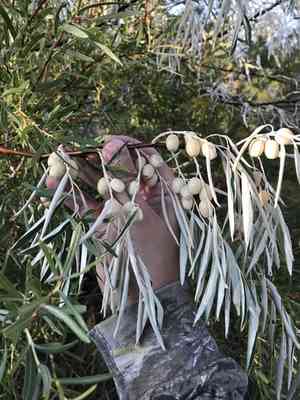
Russian olive (Elaeagnus angustifolia)
Also known as: Silver berry, Oleaster
The name "Russian olive" (*Elaeagnus angustifolia*) comes from its similarity to olive trees, despite not being closely related to them. Native to regions of Central and Western Asia, this plant has been classified as a noxious weed in various countries, including the United States, where it was first brought in as an ornamental plant. The Russian olive features attractive, fragrant flowers and produces fruit that appeals to birds, aiding its spread and establishment in non-native environments.
In This Article
Attributes of Russian olive
Lifespan
Perennial
Plant Type
Shrub
Plant Height
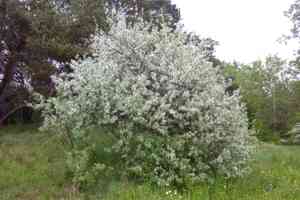
5 m to 7 m
Spread
7 m
Leaf Color
Green Gray Silver
Flower Size
5 mm to 1 cm
Flower Color
Yellow White Green Silver
Images of Russian olive
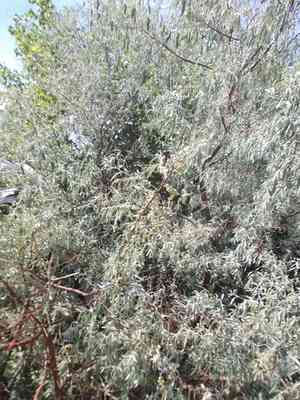
Quickly Identify Russian olive
1
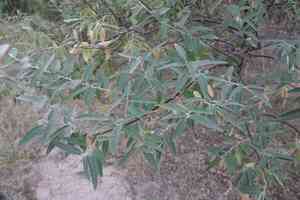
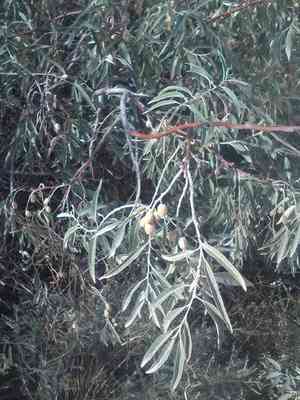
Silvery-green narrow foliage with thorns.
2
Small tubular silvery-white to yellow flowers.
3
Unique pseudo-drupe fruit with metallic crimson color.
4
Lanceolate leaves with silvery scales on both surfaces.
5
Color-transition stem with thorny branches and fine scales.
Scientific Classification of Russian olive
Phylum
Vascular plants
Class
Dicotyledons
Order
Roses, elms, figs, and allies
Family
Oleaster
Genus
Silverberries
Species
Russian olive
Planting and Growing of Russian olive
Care Difficulty
Easy
Watering Schedule
Every 2 days
Sunlight Requirements
Full sun
Sunshine Duration
4-8 hours
Ideal Temperature
59-77℉
Soil Type
Potting Mix, Peat Mix
Soil pH
6.5-7.5
Fertilizer Type
Balanced
Pruning Season
Spring, Summer
Pruning Area
Branches, Leaves
Pruning Frequency
2 times a year
Repotting Season
Spring
Pot Type
Plastic, Ceramic
 How to Water Russian olive?
Elaeagnus angustifolia, commonly known as Russian Olive, enjoys a well-draining environment with moderate water requirements. When watering, provide about 500ml of water per session. Ensure the water reaches the roots without leaving the soil waterlogged. In its native arid conditions, this plant is adapted to handle periods of drought, so avoid overwatering which can lead to root rot.
More About Watering Techniques→
What are the symptoms of an underwatered Russian olive?
›
What should I do if my Russian olive is not getting enough water?
›
What are the symptoms of an overwatered Russian olive?
›
How to save an overwatered Russian olive?
›
 What Are the Sunlight Requirements for Russian olive?
Elaeagnus angustifolia ideally requires full sun or partial sun. This light range ensures flourishing growth, maximizes flower production, and helps maintain the plant’s overall health and vitality.
More About Sunlight Requirements Techniques→
What is the best lighting condition for Elaeagnus angustifolia?
›
How can I ensure optimal lighting conditions for Elaeagnus angustifolia?
›
What are the benefits of providing ideal lighting conditions for Elaeagnus angustifolia?
›
 What Is the Ideal Temperature Range for Russian olive?
The ideal temperature range for growing Elaeagnus angustifolia is between 59°F and 77°F. Within this range, the plant can thrive and exhibit optimal growth characteristics, such as healthy foliage and robust flowering. Temperatures within this range help ensure proper physiological processes, allowing the plant to develop strong root systems and effectively resist pest and disease pressures.
 What Soil is Best for Russian olive?
Elaeagnus angustifolia thrives in well-draining soil, as it prevents root rot and other issues related to waterlogged conditions. Good drainage ensures the roots receive enough oxygen, promoting healthy growth. While Elaeagnus angustifolia is tolerant of poor soils, incorporating organic matter can enhance its growth. Nutrient-rich substrates provide essential minerals and improve soil structure, facilitating robust development. This plant has a preference for slightly alkaline soils due to its calcareous tolerance. Such conditions help in optimal nutrient uptake and produce lush foliage, enhancing its ornamental and windbreak appeal.
More About Soil→
 How to Fertilize Russian olive?
Elaeagnus angustifolia, commonly known as the Russian olive, requires a balanced approach to fertilizing. The plant benefits from a moderate amount of nutrients, so it is recommended to use a slow-release granular fertilizer. Apply approximately one pound (0.45 kilograms) of all-purpose fertilizer per 100 square feet (9.3 square meters) of growing space. Always follow manufacturer instructions to avoid over-application.
More About Fertilizing Techniques→
 How to Prune Russian olive?
Ideally, prune in late winter to early spring before new growth starts. Light pruning can also be done in summer to maintain shape but avoid severe cuts during this period. Avoid removing more than one-third of the tree at a time as over-pruning can stress the plant, potentially leading to poor growth or increased susceptibility to pests and diseases. Regularly check for suckers, small shoots that emerge from the base or roots of the plant. Remove these as they can sap energy from the main tree and detract from its desired shape. Always wear protective gear such as gloves and safety glasses. Be mindful of your surroundings, especially if using ladders or power tools to reach higher branches.
More About Pruning Techniques→
 How to Propagate Russian olive plant?
1
Harvest seeds from mature Elaeagnus angustifolia plants in late autumn. Ensure seeds are fully dried before storing them in a cool, dark place to avoid mold and preserve viability.
2
Select healthy, semi-hardwood stems for cuttings during early spring. Cut them just below a node, ensuring each cutting is around 6 inches in length, and remove any leaves near the base.
3
Fill seed trays with a well-draining potting mix, sow seeds at a depth of twice their size, and keep them moist. Maintain a temperature of around 70°F for optimal germination.
 How to Repot Russian olive plant?
1
Elaeagnus angustifolia should be repotted when you notice its roots circling the pot, or if water drains too quickly through the soil, indicating root binding. Spring and autumn provide ideal conditions due to moderate temperatures and reduced stress on the plant. Optimal repotting signals include slowed growth, reduced flowering, and roots emerging from the drainage holes.
2
Select a pot that is one size larger than the current one. Ensure it has drainage holes to prevent waterlogging, which can lead to root rot. A pot made of breathable material like terracotta provides the additional benefit of moisture regulation, which helps in maintaining a healthy root environment.
3
Choose a well-draining sandy loam soil, as it mimics the natural environment of Elaeagnus angustifolia and prevents root rot by ensuring excess water drains away. This soil type also helps retain essential nutrients, supporting robust growth and flowering.



