Enhancing Your Garden Design with the Russian olive Plant: A Landscaping Guide
1
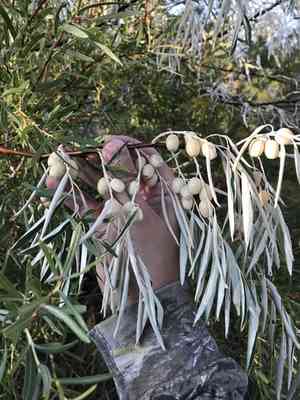
The unique leaves and seasonal transformations of the Russian olive offer continuous aesthetic appeal.
2
Russian olive supports local ecological diversity through its appeal to various wildlife species.
3
Thoughtful placement of Russian olive trees can aid in regulating the microclimate within your outdoor space.
Appreciating the Visual Appeal of Russian olive
Unique foliage and seasonal transformations
What distinguishes Russian olive in any landscape design is its singular and appealing foliage. The leaves possess a silvery-green tint that shimmers in sunlight, offering a glistening effect that captures attention. As seasons shift, so does the visual charm of Russian olive. In spring and summer, its leaves provide a lovely contrast with the darker greens of nearby plants. By autumn, the foliage changes, adding a touch of golden brilliance to the garden. This seasonal progression ensures your landscape is never dull, but rather constantly evolving and captivating.
Blooming patterns and their effect on visual interest
Russian olive blossoms provide additional aesthetic value with their small, yellowish-white flowers that appear from late spring to early summer. While the blooms are not exceptionally large, they create a subtle yet elegant display that complements the foliage. Furthermore, these flowers are often fragrant, filling the garden with a pleasant scent that enhances the sensory experience. The delicate flowers attract pollinators such as bees and butterflies, adding a lively and dynamic element to your landscape.
Overall form and canopy structure
One of the prominent features of Russian olive is its inherent shape and canopy structure. The plant typically grows in a rounded or somewhat irregular form, which introduces an element of organic beauty to garden areas. This shape is perfect for creating natural-looking hedges or standalone focal points. The canopy is sufficiently dense to provide shade, yet open enough to allow sunlight to filter through to plants below, making it a versatile choice for various landscaping requirements.
Integrating Russian olive into Diverse Landscape Styles
Complementing formal garden designs
Russian olive is remarkably adaptable in garden design and can seamlessly integrate into formal layouts. Its symmetrical form and manageable size allow it to be shaped into neat hedges or elegant topiaries. Positioned along pathways or borders, Russian olive offers a structured, yet naturally beautiful component to formal gardens. Its silvery leaves can be paired with darker evergreens to create a striking visual contrast that exudes sophistication.
Enhancing naturalistic and woodland environments
For those who favor a more relaxed, naturalistic approach, Russian olive is an excellent selection. Its irregular shape and canopy make it a natural fit for woodland gardens where it can blend effortlessly with surrounding vegetation. Placing Russian olive among native flora amplifies the wild, untamed allure of a woodland landscape. It easily complements other features like rocks, streams, or wildflower meadows, contributing to the sensation of an untouched natural habitat.
Optimal placement in recreational and public areas
Russian olive's versatility makes it an outstanding choice for large public and recreational spaces, such as parks or community gardens. Its robust nature ensures it can endure various environmental conditions, making it low-maintenance and cost-effective. The dense canopy offers ample shade, ideal for picnic spots or resting areas. Moreover, its aesthetic appeal helps to create inviting and relaxing communal spaces where people can gather and enjoy the outdoors.
Environmental Advantages of Planting Russian olive
Contribution to local biodiversity
Planting Russian olive can significantly boost local biodiversity. Its flowers attract a broad spectrum of pollinators, including bees, butterflies, and hummingbirds. Additionally, the fruit produced by Russian olive serves as a food source for various birds and mammals, thereby supporting local wildlife. By incorporating Russian olive into your landscape, you are helping to foster a more balanced and flourishing ecosystem.
Shade provision and climate regulation
Russian olive plays a vital role in providing shade, which is especially beneficial in regions with hot climates. The plant's canopy offers a cooling effect, lowering the temperature of the surrounding area and creating a more comfortable outdoor environment. Furthermore, the shade helps to shield other plants from intense sunlight, contributing to the overall health and sustainability of your garden.
Soil stability and erosion prevention
Beyond its aesthetic and ecological benefits, Russian olive is also highly effective in promoting soil stability. Its extensive root system helps to anchor the soil, making it an excellent choice for areas prone to erosion. This quality is particularly valuable for landscapes on slopes or near bodies of water, where soil erosion can be a significant concern. By planting Russian olive, you can contribute to the long-term stability and health of your garden's soil.
Practical Advice for Planting and Integrating Russian olive
Choosing the correct location and spacing
When planting Russian olive, it's crucial to select the right spot to ensure optimal growth and development. Russian olive thrives best in well-drained soil with full sun exposure, though it can tolerate partial shade. Proper spacing is also essential; planting Russian olive too close together can restrict growth and airflow, leading to potential disease issues. Allow sufficient room for the plant's mature size, typically around 15 to 20 feet in diameter.
Combining Russian olive with other plants and features
Integrating Russian olive with other plants and landscape elements can maximize its visual and functional advantages. Consider pairing Russian olive with plants that have contrasting foliage colors or textures, like conifers or ornamental grasses, to create a visually appealing backdrop. Additionally, positioning Russian olive near water features or garden benches can enhance the overall ambiance of the space.
Long-term management and maintenance considerations
To keep Russian olive healthy and visually appealing, some basic maintenance practices are necessary. Regular pruning helps to maintain its shape and encourages new growth. Watering should be consistent, particularly during dry periods, although Russian olive is relatively drought-tolerant once established. Finally, monitor for any signs of pests or disease and address them promptly to ensure the plant remains vibrant and robust.



