How Much Sunlight Do Russian olive Need?
1
Russian olive thrives best in full sunlight to achieve optimal development.
2
It can endure some shade, but this may diminish its capacity to flower.
3
Adequate light exposure contributes to abundant leaves and vivid blossoms.
Understanding the Sunlight Needs of Russian olive
Full Sun for Optimal Growth
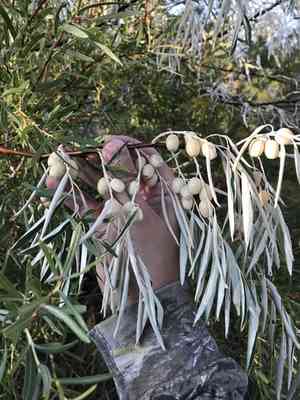
For the Russian olive to flourish, abundant sunlight is perfect. This resilient plant, known for its attractive silver leaves, thrives when exposed to a minimum of six hours of direct sun each day. Full sun not only supports strong development but also boosts the plant's capacity to yield vibrant blossoms and fruit. Positioning your Russian olive in a location that receives continuous sunlight is crucial for realizing its full potential.
Partial Shade Tolerance
While Russian olive prefers full sunlight, it can also withstand partial shade. If you reside in an area with limited direct sun, don’t be concerned. The plant can still survive in conditions where it gets filtered light for a portion of the day. However, note that extended periods in partial shade might result in less vivid blooms and slower development. Ensuring at least some part of the day offers direct sunlight will maintain your Russian olive's health.
How Many Hours of Sunlight Does Russian olive Require?
Ideal Sunlight Duration
Russian olive ideally requires approximately six to eight hours of direct sun daily. This duration fosters robust, healthy development and encourages the plant to produce its characteristic flowers and fruit. Consistent sun exposure fuels photosynthesis, enabling the plant to generate the energy necessary for thriving.
Seasonal Sunlight Variations
Grasping seasonal shifts is vital for tending to your Russian olive. During warmer months, when days are longer, the plant will naturally receive more sunlight, contributing to vigorous growth. Conversely, shorter winter days mean less sunlight. To compensate, try to locate the sunniest spot in your garden and ensure the plant isn't obscured by other structures or trees during these briefer periods. Adjusting your plant's location as seasons change can help maintain optimal sunlight exposure.
Identifying the Best Location for Russian olive
South-facing vs. North-facing Positions
When deciding where to plant your Russian olive, its orientation is key. A south-facing location is perfect as it typically receives the maximum amount of sunlight throughout the day. These positions are especially beneficial in the Northern Hemisphere, where the sun's path guarantees prolonged exposure. Conversely, a north-facing spot gets less direct sunlight, which might not be enough for optimal growth. East or west-facing locations can also work, provided they receive sufficient sunlight during part of the day.
Choosing a Sunny Spot
To ensure your Russian olive receives the sunlight it needs, select a garden spot that isn’t blocked by large trees or buildings. Open areas with good air movement are ideal. If you have multiple plants, place the Russian olive where it won't be shaded by taller or denser foliage. Remember, a sunny spot directly impacts the plant’s ability to thrive and bloom beautifully.
Signs Your Russian olive Needs More Sunlight
Leaf Discoloration
One of the main indicators that your Russian olive requires more sunlight is leaf discoloration. The leaves might turn yellow or a pale green, signaling the plant isn’t photosynthesizing effectively due to insufficient light. Observing the color of the leaves can provide early clues about the plant's sunlight reception.
Leggy Growth
Etiolated growth, characterized by elongated stems and sparse foliage, is another sign of inadequate sunlight. The plant stretches towards the light source, resulting in weak and extended stems. If you notice your Russian olive growing in this manner, it’s an indication that it needs to be moved to a location with more sunlight.
Reduced Flowering
Insufficient sunlight can also lead to decreased flowering in Russian olive. If your plant produces fewer blooms than anticipated, it’s likely struggling with inadequate light. Flowers are energy-intensive to create, and without enough sunlight, the plant may lack the necessary resources to bloom fully.
Tips for Maximizing Sunlight Exposure for Russian olive
Pruning Surrounding Vegetation
Pruning can significantly enhance sunlight exposure for your Russian olive. Trim back any overhanging branches or nearby shrubs that might be casting shadows. Keeping the surrounding greenery in check ensures your plant receives uninterrupted sunlight, fostering healthier growth and blooming.
Using Reflective Mulch
Reflective mulch can be a useful tool for maximizing sunlight exposure. By placing reflective mulch around the base of your Russian olive, you can increase the amount of light reaching the plant's lower sections. This method works by bouncing additional light onto the plant, ensuring it captures all available sunlight.
Strategic Planting
Strategic planting involves selecting and utilizing the best spots in your garden to optimize sunlight exposure. Position your Russian olive where it will not be overshadowed by existing structures or foliage. If feasible, plant it on elevated ground where it can capture the light more effectively. Thoughtful placement can make a significant difference in how much sunlight your plant receives daily.



