How to Propagate Russian olive?
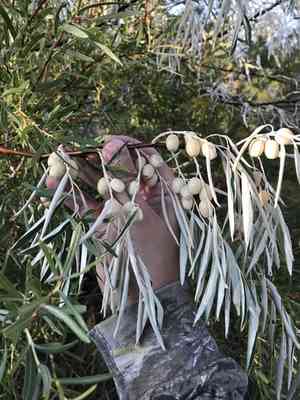
The most effective propagation methods for Russian olive involve cuttings and layering, ideally performed in the fall and winter seasons. While propagation can present a moderate challenge, the successful establishment of rooted cuttings and the emergence of new plantlets signify a positive outcome. Optimal timing and the use of well-aerated soil can significantly improve the success rate of propagation.
Optimal Period for Russian Olive Propagation
Propagation Method
Cutting
Propagation Period
Autumn,Winter
Tools Required for Russian Olive Propagation
Sharp Pruning Shears
Crucial for making clean cuts on russian olive's stems, sharp pruning shears minimize damage and lower disease risk. A clean cut increases the likelihood of successful rooting by reducing tissue trauma and promoting rapid healing.
Rooting Hormone Powder or Gel
Applied to the severed end of russian olive's stem, rooting hormone stimulates root growth, which can otherwise be slow for this species. It contains synthetic auxins that mimic the plant's natural growth hormones, boosting rooting success.
Sterile Potting Mix or Sand
Provides a controlled environment for rooting russian olive's cuttings, free from pathogens that could cause rot or disease. Sterility is vital in preventing the introduction of harmful microbes during the delicate rooting phase.
Propagation Trays or Pots
Offer individual spaces for each russian olive cutting, ensuring adequate moisture retention and room for development. Trays or pots should have drainage holes to prevent waterlogging, which can negatively impact root formation.
Plastic Covers or Mini Greenhouses
Create a humid microclimate around russian olive's cuttings, which is beneficial for maintaining moisture and encouraging root development. They help retain warmth, promoting faster growth without the cuttings drying out.
Misting Bottle
Gentle misting supplies russian olive with the moisture needed for cutting hydration without excessively saturating the soil, ensuring that the fragile new roots do not rot before they are well-established.
Post-Propagation Care for Your Russian Olive
Post-Propagation Care for Your Russian Olive
Provide russian olive with full sun to partial shade and well-draining soil. Water regularly to establish a robust root system, but allow the soil to dry out between waterings once established, as russian olive is drought-tolerant. Prune as needed to maintain the desired shape and size, and fertilize lightly with a balanced fertilizer during the growing season. Protect young plants from extreme cold until they are fully established.
Common Errors to Avoid When Propagating Russian Olive
Ignoring root cuttings orientation
Disregarding the orientation of root cuttings can lead to failure. When cuttings are planted upside down or sideways, it confuses the plantâs natural growth direction, potentially hindering successful rooting and growth.
Cuttings too short or too long
Taking cuttings that are too short may lack sufficient energy reserves to sustain growth, while very long cuttings can be difficult to manage and more susceptible to rot.
Overwatering
While moisture is essential, excessive water can cause russian olive's cuttings to rot, depriving them of the opportunity to develop roots.
Neglecting hygiene
Using unsterilized tools or containers can introduce diseases to russian olive cuttings, impeding their growth or causing their demise.
Advice for Propagating Russian Olive
Select healthy parent plants
Always choose healthy, vigorous parent plants for taking cuttings. Cuttings from weak or diseased plants are less likely to root successfully.
Proper cutting length
Cuttings should typically be about 4-6 inches long. This length provides a balance between having enough energy reserves and being manageable to root.
Bottom heat
Applying gentle bottom heat can encourage root formation in russian olive's cuttings without drying them out.
Use rooting hormone
Applying a rooting hormone to the cut end of the cutting can improve the chances of successful root development.



