How Often Should You Water Your Grape Leaf Begonia?
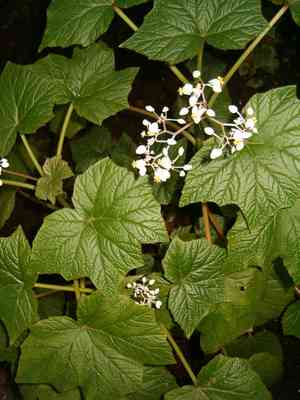
1
Grape Leaf Begonia thrives in continuously damp soil, yet the upper 1-2 inches (2.5-5 cm) should be permitted to dry before re-watering.
2
Excessive watering can cause root decay, a frequent issue for numerous indoor plants, including Grape Leaf Begonia.
3
During colder months, decrease how often you water as the plant's development becomes less active.
Understanding the Hydration Requirements of Grape Leaf Begonia
Recognizing Indicators of Sufficient Hydration
Appropriate watering is crucial for your Grape Leaf Begonia's well-being. A primary sign that your plant is receiving enough moisture is lush, healthy foliage. The leaves should display a rich green hue and be free of yellowing or browning edges. Furthermore, stems ought to feel firm and sturdy, not soft or brittle. If blooms are present, they should appear robust and not drop prematurely. Observing these cues confirms your watering routine is effective.
Common Errors in Hydrating Grape Leaf Begonia
A frequent error made by cultivators is over-watering their Grape Leaf Begonia. This can lead to saturated soil, which subsequently causes root decay. Another common mistake is overhead watering, which can result in wet leaves and increase the risk of fungal infections. It's also common to overlook signs of under-watering, such as limp or drooping leaves, indicating insufficient moisture. To prevent these issues, establishing and adhering to a consistent watering schedule is vital.
Optimal Practices for Hydrating Your Grape Leaf Begonia
Selecting the Correct Period and Regularity
Timing and frequency are paramount when hydrating your Grape Leaf Begonia. Generally, watering once weekly is adequate. Early morning is the ideal time to water, allowing the plant to absorb moisture throughout the day and reducing fungal disease risk. If the top 2.5-5 cm (1-2 inches) of soil feels dry, it's time to water. In warm climates, you might need to water twice a week, while in cooler regions, once every ten days may suffice.
Effective Hydration Techniques
Bottom watering your Grape Leaf Begonia is among the most efficient methods. This approach ensures water reaches the root zone directly, minimizing evaporation and lowering the chance of fungal infections on the leaves. Simply fill a saucer with water and place the plant pot in it for about 30 minutes, allowing the soil to absorb moisture from below. Afterward, ensure any excess water is drained to prevent waterlogging.
Adjusting Your Hydration Schedule with Seasonal Changes
Seasonal shifts can significantly impact your Grape Leaf Begonia's water demands. During the active growth period (spring and summer), the plant will require more frequent watering to support its development. Conversely, in winter, you can decrease the frequency as the plant enters a dormant phase. Always check soil moisture before watering and modify your schedule accordingly to prevent over or under-hydration.
Optimizing Hydration for Vitality and Development
The Function of Water in Grape Leaf Begonia Health
Water is crucial for transporting nutrients from the soil to the plant, maintaining cellular structure, and enabling photosynthesis. For your Grape Leaf Begonia, proper hydration ensures the plant can perform these essential functions effectively, leading to vigorous growth and vibrant foliage. Failing to water correctly can hinder growth and diminish the plant's overall health.
Monitoring Soil Moisture Levels
To ensure your Grape Leaf Begonia receives the precise amount of water, monitoring the soil moisture level is essential. Utilize a moisture meter, a useful device that provides a clear indication of the soil's wetness. Alternatively, perform a simple finger test by inserting your finger into the soil up to the second knuckle. If the soil feels dry at this depth, it's time to water. Regularly checking soil moisture helps maintain an optimal watering schedule and avoid common hydration errors.



