The Grape Leaf Begonia Plant Advantage: Maximizing Home and Office Appeal and Wellness
1
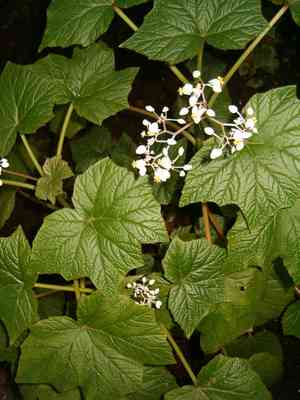
The Grape Leaf Begonia showcases distinctively formed and textured foliage that is aesthetically pleasing.
2
The Grape Leaf Begonia is quite simple to maintain, making it suitable for both new and seasoned plant enthusiasts.
3
This botanical specimen can efficiently enhance the air quality inside by taking in contaminants and emitting oxygen.
What Makes Grape Leaf Begonia Special?
Distinctive Visual Appeal
Grape Leaf Begonia is renowned for its striking foliage, featuring a grape-like form and a rich, textured surface. Its leaves display a range of hues, from deep greens to vibrant purples, making it a versatile option for adding a splash of color to any room or garden. The plant's large, kidney-shaped leaves create a lush, full appearance that can enhance your space's visual charm.
Effortless to Maintain
A key characteristic of Grape Leaf Begonia is its relatively low maintenance needs. This plant thrives in indirect light and tolerates various humidity levels, making it suitable for diverse indoor and outdoor environments. Its resilience and adaptability make it an excellent choice for both new gardeners and seasoned plant enthusiasts. Consistent watering, avoiding soggy soil, and occasional feeding with a balanced fertilizer are typically sufficient to keep Grape Leaf Begonia healthy and flourishing.
Environmental Advantages of Grape Leaf Begonia
Air Purification
Grape Leaf Begonia is not merely a beautiful plant; it also offers practical environmental benefits. Like many houseplants, it can help improve indoor air quality by absorbing pollutants such as formaldehyde, benzene, and ammonia. This makes it an ideal choice for homes, offices, and other indoor spaces where air quality is a concern. By integrating Grape Leaf Begonia into your environment, you can enjoy cleaner, fresher air, which can contribute to better overall health and well-being.
Oxygen Production
Beyond absorbing pollutants, Grape Leaf Begonia also releases oxygen, which can help enhance the air quality in your home or garden. Plants naturally take in carbon dioxide and release oxygen through photosynthesis, making them vital for maintaining a healthy atmosphere. By introducing more plants like Grape Leaf Begonia into your living spaces, you can create a more oxygen-rich environment, fostering a sense of freshness and vitality.
How to Integrate Grape Leaf Begonia into Your Space
Indoor Display Concepts
There are numerous ways to incorporate Grape Leaf Begonia into your indoor decor. You can place it in a decorative pot on a windowsill, use it as a centerpiece on your dining table, or create a lush indoor garden by grouping it with other houseplants. Consider the lighting and humidity levels in your chosen location to ensure the plant thrives. Using Grape Leaf Begonia in a well-lit bathroom can also be a great choice due to its ability to tolerate humidity.
Outdoor Gardening Advice
If you prefer to place Grape Leaf Begonia outdoors, it can be an excellent addition to your garden landscape. Plant it in a shaded or partially shaded area to protect it from direct sunlight, which can scorch the leaves. It can be used as a ground cover or in a mixed border with other shade-loving plants. Ensure the soil is well-draining and consider mulching around the base to retain moisture.
Potential Issues and Solutions
Common Pests and Diseases
While Grape Leaf Begonia is relatively robust, it can still be susceptible to common pests such as aphids, spider mites, and mealybugs. Regularly inspecting your plant and maintaining good plant hygiene can help prevent infestations. If pests do appear, treating them with insecticidal soap or neem oil can be effective. Additionally, fungal infections can occur if the plant is overwatered, so proper watering practices are crucial.
Nutrient Requirements
To keep Grape Leaf Begonia looking its best, it may benefit from periodic feeding. Use a balanced, water-soluble fertilizer during the growing season to provide essential nutrients. However, avoid over-fertilizing, as this can lead to nutrient imbalances and harm the plant. Signs of nutrient deficiency include yellowing leaves and stunted growth, so monitor your plant's condition and adjust feeding as necessary.
Why Select Grape Leaf Begonia?
Versatility and Adaptability
The versatility and adaptability of Grape Leaf Begonia make it a highly desirable plant for various settings. Whether you want to enhance your home's interior decor or add interest to your garden, Grape Leaf Begonia offers a unique blend of beauty and practicality. Its ability to thrive in different light and humidity conditions makes it a reliable and resilient choice for plant lovers.
Enhancing Well-being
Incorporating plants like Grape Leaf Begonia into your living spaces can significantly enhance your well-being. The presence of plants has been shown to reduce stress, improve mood, and increase overall happiness. Taking care of Grape Leaf Begonia can also provide a sense of accomplishment and purpose, making it a valuable addition to your daily life.



