Enhancing Your Garden Design with the Grape Leaf Begonia Plant: A Landscaping Guide
1
Incorporating Grape Leaf Begonia as a focal point can enhance your garden's visual charm.
2
Grape Leaf Begonia integrates well with diverse companion plants for vibrant arrangements.
3
Consistent care guarantees the enduring vitality and well-being of Grape Leaf Begonia in your outdoor space.
Introducing Grape Leaf Begonia to Your Outdoor Space
Characteristics of Grape Leaf Begonia
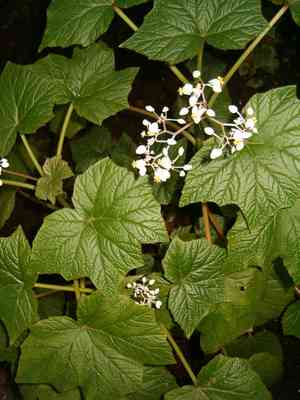
If you're looking to transform your outdoor area into a beautiful sanctuary, Grape Leaf Begonia is an excellent choice. Known for its distinctive, grape-like leaves with a striking texture, it can become a focal point in any garden. This resilient plant thrives in various conditions, enhancing the visual appeal of any landscape with its lush greenery and unique foliage. Its adaptability makes it a versatile option for gardeners of all experience levels.
Grape Leaf Begonia's popularity in contemporary gardens
Modern garden designs increasingly feature Grape Leaf Begonia due to its aesthetic and practical advantages. Its popularity stems from the plant's low maintenance and high visual impact, offering an easy way to add depth and interest to garden spaces. Whether it's a formal landscape or a relaxed, cottage-style garden, Grape Leaf Begonia fits perfectly, providing elegance and sophistication without constant upkeep.
Integrating Grape Leaf Begonia into Your Garden Design
Selecting the ideal spot for Grape Leaf Begonia in your garden
Strategic placement of Grape Leaf Begonia is vital to maximize its effect. Choose areas that receive partial shade to protect the plant from intense sunlight, which can scorch its delicate leaves. Planting Grape Leaf Begonia near large rocks, along paths, or beneath the canopy of taller plants can mimic its natural habitat, ensuring both aesthetic harmony and optimal growth conditions.
Companion plants that complement Grape Leaf Begonia
To create a cohesive and visually pleasing garden, consider pairing Grape Leaf Begonia with plants that complement its foliage and growth habit. Ferns, hostas, and other shade-loving species are excellent companions. These plants not only share similar growing requirements but also create a layered effect, enhancing the garden's depth and texture. Incorporating some flowering plants can add splashes of color and contrast to the lush greenery of Grape Leaf Begonia.
Creative planting design suggestions
For an innovative and dynamic garden design, look beyond traditional planting beds. Use Grape Leaf Begonia in hanging baskets or elevated planters to showcase its trailing stems and create a cascading effect. Integrate Grape Leaf Begonia into vertical gardens or as part of a mixed plant arrangement to break the monotony of single-species planting. Experiment with different heights and textures, allowing Grape Leaf Begonia to interact naturally with its surroundings, creating a cohesive and engaging outdoor space.
Innovative Ways to Showcase Grape Leaf Begonia in Outdoor Areas
Using Grape Leaf Begonia as a central element in garden designs
Grape Leaf Begonia can serve as a magnificent focal point in your landscape. Position it in key locations where its unique foliage can attract attention, such as at the garden's entrance, near seating areas, or by water features. Its distinctive leaves and vibrant green color can captivate the eye, making it a centerpiece that enhances the overall design.
Seasonal decorative concepts with Grape Leaf Begonia
Utilize the versatility of Grape Leaf Begonia for seasonal decorations. During spring and summer, combine Grape Leaf Begonia with blooming flowers to create vibrant, refreshing displays. In autumn, pair it with ornamental grasses and fall-blooming perennials to complement its foliage. Incorporating Grape Leaf Begonia into decorative pots or themed arrangements can also provide a seasonal touch, allowing the plant to enhance the garden's visual interest throughout the year.
Advantages of Including Grape Leaf Begonia in Your Landscape
Environmental benefits of cultivating Grape Leaf Begonia
Beyond its beauty, Grape Leaf Begonia contributes positively to the environment. Its dense foliage acts as a natural ground cover, reducing soil erosion and retaining moisture. This not only benefits nearby plants by stabilizing the soil but also aids in water conservation. Grape Leaf Begonia also provides a habitat for various beneficial insects, fostering a healthy and balanced ecosystem.
Aesthetic value and visual appeal of Grape Leaf Begonia
The visual appeal of Grape Leaf Begonia lies in its unique leaf shape and lush, vibrant greenery. Whether used as a ground cover, accent plant, or in container gardens, Grape Leaf Begonia adds a touch of elegance and refinement. Its diverse planting options make it a versatile addition, capable of enhancing formal gardens, rustic landscapes, and everything in between. The plant's continuous growth and the foliage's rich texture provide an evergreen aesthetic appeal.
Caring for Grape Leaf Begonia in Your Landscape
Essential tips for ensuring the longevity and vitality of Grape Leaf Begonia
Proper care is crucial to ensure Grape Leaf Begonia thrives in your garden. Regular watering, ensuring the soil remains moist but not waterlogged, is vital. Occasional feeding with a balanced fertilizer can promote healthy growth. Prune the plant as needed to maintain its shape and remove any damaged or yellowing leaves to encourage new growth.
Addressing common issues encountered with Grape Leaf Begonia in landscaping
Grape Leaf Begonia, like any plant, can face challenges, including pests, diseases, and adverse weather conditions. Watch out for common pests like aphids and treat any infestations promptly with suitable pesticides or natural remedies. Ensure good air circulation around the plant to prevent fungal diseases. In colder climates, provide protection during frost periods to avoid leaf damage, ensuring Grape Leaf Begonia remains vibrant and healthy year-round.



