How to Transplant Grape Leaf Begonia?
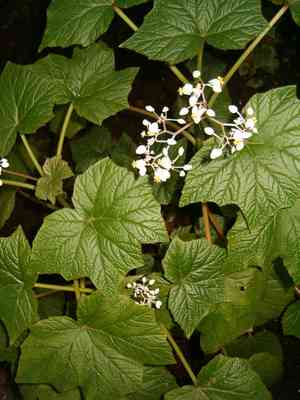
For Grape Leaf Begonia, the ideal period for relocation is from the latter part of spring to the middle of summer, fostering vigorous development. Select a shaded spot featuring soil that drains effectively. Enhance the soil with organic material to promote the health of Grape Leaf Begonia in its new environment.
What Preparations are Needed Before Transplanting Grape Leaf Begonia?
What is the Ideal Time for Transplanting Grape Leaf Begonia?
The optimal period for relocating Grape Leaf Begonia spans from late spring to the onset of early summer. During these vigorous growth months, Grape Leaf Begonia's root system establishes quickly, maximizing success. This timeframe, characterized by mild temperatures and consistent moisture, supports Grape Leaf Begonia in its new spot, enhancing its resilience before the full intensity of summer. Engaging with Grape Leaf Begonia during this window promises a flourishing display throughout the season.
How Much Space Should You Leave Between Grape Leaf Begonia Plants?
When moving Grape Leaf Begonia, ensure adequate spacing between each specimen. Approximately 2-3 feet (0.6-0.9 m) apart is a good general guideline. This provides ample room for development and thriving.
What is the Best Soil Mix for Grape Leaf Begonia Transplanting?
Choose a soil type with excellent drainage, such as sandy, loamy, or clay-rich soil for Grape Leaf Begonia. Be sure to incorporate some peat moss or compost as a foundational fertilizer before planting; this will help supply essential nutrients.
Where Should You Relocate Your Grape Leaf Begonia?
Select a site for Grape Leaf Begonia where it receives partial shade. These plants prefer indirect sunlight, rather than direct sun exposure. A location beneath a lightly canopied tree or on the east or north side of a structure would be ideal.
What Equipments Should You Prepare Before Transplantation Grape Leaf Begonia?
Gardening Gloves
To safeguard your hands while handling the soil and the Grape Leaf Begonia plant.
Shovel or Spade
To excavate the planting hole for the Grape Leaf Begonia plant, and to carefully extract the plant from its original position, if it is currently in the ground.
Trowel
For more precise digging, particularly useful if the Grape Leaf Begonia plant is in a pot or a seedling tray.
A Large Bucket or Container
To transport the Grape Leaf Begonia plant and any attached soil to its intended new location.
Garden Clippers
To trim any damaged roots or leaves from the Grape Leaf Begonia plant prior to transplanting.
Watering Can or Hose
To hydrate the Grape Leaf Begonia plant both before and after its relocation.
How Do You Remove Grape Leaf Begonia from the Soil?
How Do You Remove Grape Leaf Begonia from the Soil?
From Ground: First, water the Grape Leaf Begonia plant to moisten the surrounding soil, which can facilitate its removal. Dig a wide trench around the plant using a shovel or spade, ensuring you are sufficiently far from the plant to avoid harming its root system. Once the trench is complete, work your spade underneath to carefully lift the root ball and the plant out of the ground.From Pot: Water the plant in its container before starting. Turn the pot on its side, then while supporting the Grape Leaf Begonia plant with your hand, gently tap or shake the pot to loosen the soil and release the root ball.From Seedling Tray: If the Grape Leaf Begonia plant is in a seedling tray, water it first. Loosen the soil around the seedling with a small tool like a dibber or a pencil. Gently remove the plant by lifting from its base, taking care to avoid pulling on the stem or leaves.
Step-by-Step Guide for Transplanting Grape Leaf Begonia
Prepare the Hole
Excavate a hole in the chosen spot for the Grape Leaf Begonia plant. The hole should be twice as wide and roughly the same depth as the plant's root system. Loosen the soil at the base of the hole.
Inspect the Plant
Examine your plant for indications of disease or pests before transplanting, and prune off any compromised roots.
Transplanting
Position the Grape Leaf Begonia plant centrally in the hole. Gradually backfill with soil, gently pressing the soil down as you proceed to eliminate air pockets.
Watering
Thoroughly water the plant after planting. The soil should be damp, but not waterlogged.
How Do You Care For Grape Leaf Begonia After Transplanting?
Observation
Monitor your Grape Leaf Begonia plant regularly in the weeks following its relocation. Watch for signs of stress, including wilting or discoloration. If symptoms of an adverse reaction appear, adjust the light or watering schedule.
Pruning
If your Grape Leaf Begonia becomes leggy after transplanting, do not hesitate to lightly prune it. This can encourage denser growth and a more robust structure.
Temperature
Grape Leaf Begonia generally prefer warmer temperatures. Be mindful of this in the days following the transplant, and shield the plant from abrupt temperature fluctuations.
Watering
Water consistently, but be careful not to overwater. Excessive water can lead to root rot. The best approach is to maintain consistently moist soil.
Troubleshooting Common Issues with Grape Leaf Begonia Transplantation.
When is the best time to transplant Grape Leaf Begonia?
The optimal period to reposition Grape Leaf Begonia is during S3-S5, with an emphasis on the warmer seasons.
How much space should I leave between each Grape Leaf Begonia during transplantation?
Ensure you maintain approximately a 2-3 feet (60-90 cm) gap. This is crucial for their development and prevents overcrowding.
What if the leaves of Grape Leaf Begonia yellow after transplantation?
Yellowing can suggest stress or excessive watering. Confirm the plant is not overwatered and is receiving adequate sunlight.
I transplanted Grape Leaf Begonia, but it's wilting. What should I do?
Wilting might indicate insufficient watering or inadequate light. Review your plant's placement and watering frequency.
Why are the leaves of my Grape Leaf Begonia turning brown?
Brown leaves can signal insufficient humidity or water. Regular misting and proper hydration can help correct this.
The stem of my Grape Leaf Begonia seems weak. What can I do?
Weak stems could point to a lack of support or nutrients. Consider staking the plant and applying a balanced fertilizer.
Why is my Grape Leaf Begonia not growing after transplanting?
Insufficient light, improper feeding, or inadequate water could result in stunted growth. Check these factors and make adjustments as needed.
The leaves of Grape Leaf Begonia have spots after transplanting. What's causing it?
Leaf spotting might be due to potential diseases or overwatering. Investigate further and treat appropriately.
Should I trim Grape Leaf Begonia during transplantation?
Trimming is not essential during transplanting. However, if your Grape Leaf Begonia has any dead or damaged leaves, consider removing them.
Are there any special soil requirements for transplanting Grape Leaf Begonia?
Grape Leaf Begonia thrives in well-draining soil. Ensure the soil does not retain too much water to prevent root rot.



