How Much Sunlight Do Grape Leaf Begonia Need?
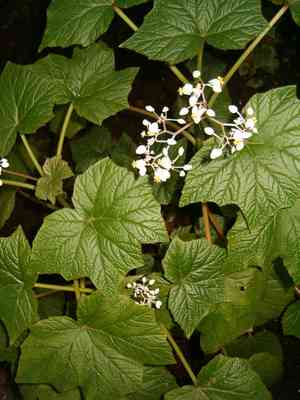
1
Grape Leaf Begonia prospers with approximately 3-6 hours of filtered sun each day.
2
While it endures complete shade, this plant performs optimally with some diffused light.
3
Too much direct sun exposure may lead to scorched leaves on Grape Leaf Begonia.
Optimal Illumination for Grape Leaf Begonia
Understanding Its Natural Environment
In its native habitat, the Grape Leaf Begonia thrives beneath the forest canopy, receiving filtered sunlight. This setting means the plant is accustomed to a blend of light and shadow, protecting it from intense direct sun. Replicating these conditions indoors allows the plant to flourish without undue stress.
Recreating the Ideal Indoor Setting
To replicate this natural environment indoors, position your Grape Leaf Begonia in a well-lit room, but away from direct sun exposure. The best spot would be near east or west-facing windows, where it can receive morning or late afternoon light. Alternatively, a south-facing window with sheer curtains can diffuse strong sunlight, offering the perfect balance of brightness and shade.
Can Grape Leaf Begonia Withstand Direct Sunlight?
Risks of Direct Sun Exposure
While Grape Leaf Begonia benefits from bright conditions, direct sunlight can be detrimental. Extended exposure can lead to leaf scorch, appearing as brown, crispy edges or even white, bleached areas on the leaves. This damage can impede the plant's development and vitality, making it crucial to avoid placing it where it receives intense midday or afternoon sun.
Preferred Light Intensity
The ideal light intensity for Grape Leaf Begonia is bright, indirect illumination. If you can read comfortably without straining your eyes in a room, the light levels are likely suitable for the plant. Ensure it gets approximately 3-6 hours of indirect sunlight daily. For those with limited natural light, artificial grow lights offer an excellent alternative to provide the right amount of light.
Indicators of Insufficient Lighting for Grape Leaf Begonia
Symptoms of Excessive Light
When a Grape Leaf Begonia receives too much light, its foliage can display signs of distress. Look for brown, crisp edges on the leaves or bleached, pale spots. The plant may also become leggy with elongated stems, as it attempts to escape the harsh illumination. If these symptoms appear, consider moving the plant to a more appropriate, shaded location.
Symptoms of Inadequate Light
Conversely, insufficient light can be equally harmful. Your Grape Leaf Begonia might exhibit slow growth, smaller leaves, and a general lack of vigor. The plant's overall color can become dull and lifeless, and it might shed leaves prematurely. Addressing these symptoms promptly by relocating the plant to a brighter spot is vital for its recovery and growth.
How to Optimize Lighting for Grape Leaf Begonia's Growth?
Utilizing Artificial Grow Lights
If natural light in your home is inadequate, artificial grow lights can effectively supplement its lighting requirements. Opt for full-spectrum LED grow lights, which provide a balanced spectrum similar to natural sunlight. Position these lights about 12-18 inches (30-45 cm) above the plant and keep them on for approximately 12-14 hours daily to ensure your Grape Leaf Begonia receives sufficient light.
Plant Positioning for Optimal Light
Strategic placement is crucial for maximizing light exposure. For indoor environments, positioning your Grape Leaf Begonia near east or west-facing windows can offer ideal lighting conditions. Rotate the plant regularly to ensure even light distribution, preventing uneven growth and promoting a fuller, healthier plant appearance.



