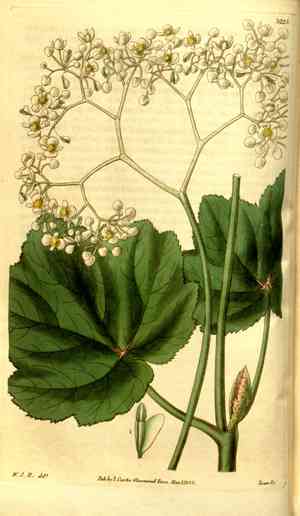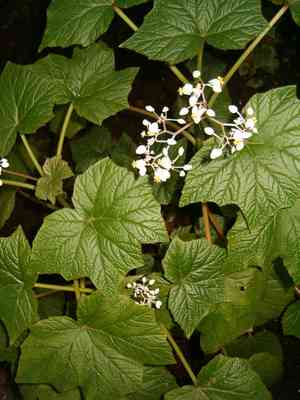
Grape Leaf Begonia(Begonia reniformis)

Grape Leaf Begonia (Begonia reniformis)

Also known as: Begonia

People cultivate Grape Leaf Begonia mainly for its striking foliage and decorative appeal. Its glossy, symmetrical leaves, which resemble grape leaves, add a unique aesthetic to any space. Although it has attractive flowers, the foliage is the primary draw. Additionally, its succulent stems help it store water, making it relatively easy to maintain.

Attributes of Grape Leaf Begonia

Lifespan
Perennial
Plant Type
Herb
Plant Height
15 cm to 30 cm
Spread
30 cm to 45 cm
Leaf Color
Green
Flower Size
2-4 cm
Flower Color
White Yellow Pink

ForwardPlant - Identify plants with a snap

Identify and diagnose plants, get toxicity alerts, and explore safety guides for all types of fungi.

Try for Free

Images of Grape Leaf Begonia

Grape Leaf Begonia(Begonia reniformis)

Quickly Identify Grape Leaf Begonia

1
Identify by its kidney-shaped leaves with serrated edges and bright pink to white flowers. The leaves are fleshy and have a glossy texture.

Scientific Classification of Grape Leaf Begonia

Phylum
Vascular plants
Class
Dicotyledons
Order
Cucurbitales
Family
Begonia
Genus
Begonias
Species
Grape Leaf Begonia

Planting and Growing of Grape Leaf Begonia

Care Difficulty
Hard
Watering Schedule
Every 8 days
Sunlight Requirements
Partial sun
Sunshine Duration
4-6 hours
Ideal Temperature
65-75℉
Soil Type
Potting Mix, Peat Mix
Soil pH
6.5-7.5
Fertilizer Type
Balanced
Pruning Season
Spring, Summer
Pruning Area
Branches, Leaves
Pruning Frequency
2 times a year
Repotting Season
Spring
Pot Type
Plastic, Ceramic

water icon How to Water Grape Leaf Begonia?

Begonia reniformis prefers consistent moisture, so aim to water with about 500 ml each time. The soil should feel evenly moist but not waterlogged. It's good to ensure that the top 1-2 inches of soil are dry before the next watering.
What are the symptoms of an underwatered Grape Leaf Begonia?
What should I do if my Grape Leaf Begonia is not getting enough water?
What are the symptoms of an overwatered Grape Leaf Begonia?
How to save an overwatered Grape Leaf Begonia?
More About Watering Techniques

sunlight icon What Are the Sunlight Requirements for Grape Leaf Begonia?

Sunlight Requirements: Partial sun
Duration of light: 2-4 hours of sun
Begonia reniformis thrives with partial sun exposure, benefiting from 2-4 hours of indirect or filtered sunlight daily, which helps maintain lush foliage and consistent growth.
How much sunlight is optimal?
Solutions for achieving ideal light?
Benefits of getting ideal light?
More About Sunlight Requirements Techniques

temperature icon What Is the Ideal Temperature Range for Grape Leaf Begonia?

Ideal Temperature: 65 ~ 75℉
The ideal temperature range for Begonia reniformis to thrive is between 65°F and 75°F. In this range, the plant efficiently performs photosynthesis, metabolizes nutrients optimally, and exhibits healthy growth patterns. Conditions within this range reduce stress on the plant, promote lush foliage, and enhance flowering potential.

soil icon What Soil is Best for Grape Leaf Begonia?

Soil type: Loam, Sandy loam
Soil PH: 6.5 ~ 7.5
Begonia reniformis thrives in well-drained soil that prevents waterlogging, allowing roots to breathe. This reduces risks of root rot and supports healthy growth. For optimal growth, this plant requires nutrient-rich soil, full of organic matter, to promote vibrant foliage and overall plant health. Maintaining a lightly moistened soil ensures adequate hydration without suffocating roots, keeping the plant sustained and vibrant. More About Soil

fertilize icon How to Fertilize Grape Leaf Begonia?

Fertilizer type: Balanced
For Begonia reniformis, a balanced liquid fertilizer at half strength is recommended. Apply approximately 1/2 teaspoon per gallon of water during the growing season. Avoid overfertilization to prevent nutrient burn. More About Fertilizing Techniques

prune icon How to Prune Grape Leaf Begonia?

Pruning Time: Spring, Summer, Autumn
Begin by examining your Begonia reniformis for any leaves that appear brown, wilted, or diseased. These should be the first targets for removal, as they can attract pests and contribute to disease spread. After removing unhealthy foliage, focus on shaping the plant by cutting back overly long stems or branches. This not only improves the plant's aesthetics but also enhances airflow, reducing humidity levels that can lead to fungus infections. When trimming back stems, make your cuts just above a leaf node. This encourages new growth to emerge more vigorously from the node, contributing to a fuller, bushier plant display. More About Pruning Techniques

propagate icon How to Propagate Grape Leaf Begonia plant?

Propagate Time: Spring, Early summer
1
Select a healthy stem from the mother plant and use sharp pruners to trim a section around 4-6 inches long. Ensure the cutting has a few leaves and remove any flowers or buds.
2
Dip the cut end of your Begonia reniformis cutting into rooting hormone. This step increases the chances of successful root development by providing essential growth hormones.
3
Place the hormone-dusted end of the cutting into a prepared potting mix. Ensure the potting mix is well-draining to avoid waterlogging, which could rot the cutting.
More About Propagating Techniques

repot icon How to Repot Grape Leaf Begonia plant?

Repotting frequency: Every 2-3 years
1
Begonia reniformis benefits from repotting when its roots outgrow the current pot or the potting mix becomes compacted and depleted of nutrients. You will notice sluggish growth and water pooling on the soil surface as prime indicators that repotting is necessary.
2
Select a pot that is 1-2 inches larger in diameter than the current one. Ensure it has adequate drainage holes to prevent waterlogging, which can lead to root rot. A terracotta pot can also help to absorb excess moisture, thus promoting healthy root growth.
3
Opt for a rich, well-draining potting mix that can retain moisture without becoming waterlogged. This typically includes peat moss, perlite, and organic matter that provide the right balance of aeration and nutrition for Begonia reniformis.

ForwardPlant - Identify plants with a snap

Find the best spots for them to optimize their health, simply using your phone.

Try for Free

Toxicity of Grape Leaf Begonia

Is Grape Leaf Begonia toxic to humans?

Grape Leaf Begonia is regarded as possessing a moderate degree of toxicity to humans, primarily when ingested. The entire plant contains soluble calcium oxalates, which are responsible for its toxic characteristics. Upon ingestion, these oxalates can bind with calcium in the body, resulting in a variety of symptoms. Affected individuals may experience a burning sensation in the mouth and throat, swelling of the lips, tongue, and throat, difficulty in swallowing, as well as gastrointestinal distress, which may include nausea, vomiting, and diarrhea. It is essential for individuals, particularly those with children or pets, to be aware of these potential hazards and to prevent any accidental ingestion of any part of the Grape Leaf Begonia.

Is Grape Leaf Begonia toxic to cat?

The Grape Leaf Begonia presents a slight toxicity hazard to cats that may unintentionally ingest portions of the plant. If consumed, affected cats can exhibit symptoms such as mouth irritation, pawing at their mouths, reduced appetite, vomiting, and trouble swallowing. The entire Grape Leaf Begonia is composed of soluble calcium oxalates, which play a role in its toxic characteristics. Therefore, cat owners should vigilantly observe their pets and, if any poisoning symptoms manifest, quickly obtain medical assistance from a veterinarian.

Is Grape Leaf Begonia toxic to dog?

Grape Leaf Begonia presents a low level of toxicity risk to canines. Should a dog inadvertently ingest any portion of the Grape Leaf Begonia, it may exhibit poisoning symptoms owing to the soluble calcium oxalates found within the plant. All parts of this plant are toxic, and ingestion may result in reactions such as vomiting, diarrhea, excessive salivation, or lethargy. If you believe that your dog has consumed Grape Leaf Begonia, it is crucial to obtain prompt veterinary assistance to address the symptoms efficiently.

Identify toxic plants for your safety

Learn which plants are harmful to you and your pets, and make informed choices for a safer home!

Try for Free
WARNING
The judgment on toxicity and danger is for reference only. We DO NOT GUARANTEE any accuracy of such judgment. Therefore, you SHALL NOT rely on such judgment. It is IMPORTANT TO SEEK PROFESSIONAL ADVICE in advance when necessary.
More About Toxic Techniques