How to Prune Grape Leaf Begonia?
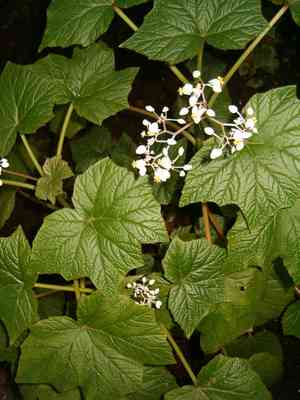
Renowned for its decorative, vine-like leaves, Grape Leaf Begonia flourishes with consistent trimming to preserve its form and stimulate denser development. During periods of active growth, snip the ends of the stalks to foster branching. Eliminate any withered or discolored foliage from the base to improve air movement and deter illness. As Grape Leaf Begonia can be trimmed throughout the year, routine pruning every couple of months is advantageous. Trimming revitalizes Grape Leaf Begonia, guaranteeing a compact, visually appealing structure and vigorous well-being.
What Are the Benefits of Pruning Grape Leaf Begonia?
What Are the Benefits of Pruning Grape Leaf Begonia?
Trimming Grape Leaf Begonia promotes abundant flowering, maintains a compact structure, and stimulates vigorous development. Strategic cuts enhance light penetration and air circulation, crucial for the plant's vitality and bloom production.
What Is the Best Time for Pruning Grape Leaf Begonia?
What Is the Best Time for Pruning Grape Leaf Begonia?
Pruning of Grape Leaf Begonia from late winter to early spring is advantageous as it precedes its active growth period. This timing allows Grape Leaf Begonia to recover quickly and channel energy into new growth as temperatures rise, without the plant suffering from the shock of losing foliage during its dormant phase. It also minimizes the risk of pest infestation and disease, as these are less active in cooler weather. Pruning in this timeframe also helps maintain the plant's shape and size while ensuring it has the full growing season to flourish post-pruning.
What Tools Do I Need to Prune Grape Leaf Begonia?
Micro-Tip Pruning Snips
Perfect for the delicate stems and leaves of Grape Leaf Begonia, offering precision and preventing harm to surrounding foliage.
Bypass Pruners
Useful for cutting through Grape Leaf Begonia stems of slightly larger diameter, while still ensuring a clean cut that encourages healthy regrowth.
Pruning Shears with Soft Grip Handle
Provides comfort and control when trimming Grape Leaf Begonia, reducing hand fatigue during extensive pruning sessions.
Fine-Tipped Pruning Scissors
These small scissors enable meticulous trimming of Grape Leaf Begonia's intricate foliage, ensuring accurate shaping without damaging its structure.
How to Prune Grape Leaf Begonia
Clean Tools
Sanitize your pruning instruments with rubbing alcohol or a bleach and water solution to prevent disease transmission during trimming.
Remove Withered Leaves
Carefully inspect Grape Leaf Begonia for withered leaves. Gently snip these at the stem's base, ensuring not to harm nearby healthy foliage or stems.
Trim Diseased Parts
Identify and remove diseased leaves and branches by cutting them away from Grape Leaf Begonia. Make the cut at a healthy section of the tissue to ensure the disease does not spread.
Cut Dead Material
Prune dead branches by cutting them at the base or their point of origin. Clip withered flowers to encourage new growth and maintain Grape Leaf Begonia's aesthetic appeal.
Cleanup
Collect and dispose of all removed parts properly to keep the area tidy and prevent the risk of disease or pests affecting Grape Leaf Begonia.
Common Pruning Mistakes with Grape Leaf Begonia
Overpruning
Cutting back too much of Grape Leaf Begonia can stress the plant and hinder its growth. This species can be sensitive, so removing more than one-third of the plant at any one time can lead to weakened health or even death.
Improper Tools
Using dull or dirty pruning tools can cause unnecessary damage to Grape Leaf Begonia's tissues, leading to tearing or disease introduction.
Pruning Healthy Growth
A mistake is to prune new, healthy growth instead of focusing on dead or dying leaves and stems, which can reduce the plant's vigor and bloom potential.
Ignoring Disease
Failing to remove diseased or pest-infested parts of Grape Leaf Begonia during pruning can allow problems to proliferate, stressing or even killing the plant.
Random Cutting
Randomly cutting without a plan can lead to an unbalanced shape and impact the overall health and aesthetic appearance of Grape Leaf Begonia.
Common Pruning Tips for Grape Leaf Begonia
Clean Cuts
Ensure cuts are clean and precise, just above a leaf node, to promote healthy new growth for Grape Leaf Begonia.
Sanitize Tools
Always use sanitized pruning tools to prevent the spread of disease and pests to Grape Leaf Begonia.
Focus On Deads
Prioritize the removal of dead or dying leaves and stems to direct Grape Leaf Begonia's energy to healthy growth and flowering.
Cut At An Angle
Prune stems at a 45-degree angle to prevent water accumulation and subsequent rot or disease in Grape Leaf Begonia.
Moderation
Prune Grape Leaf Begonia in moderation, aiming to maintain a balance between plant shape and its natural growth habit.



