Optimal Fertilizer for Growing Grape Leaf Begonia: What You Need to Know
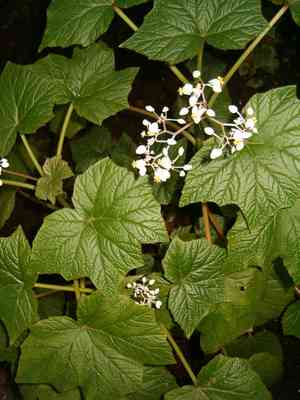
1
Nourishing your Grape Leaf Begonia in spring prepares it for a period of robust development and vivid leaves.
2
Applying a balanced 10-10-10 plant food guarantees your Grape Leaf Begonia gets vital nutrients in appropriate amounts.
3
Excessive fertilization can result in soil salt accumulation, leading to scorched leaves and hindered root development.
Grasping the Nutritional Requirements of Grape Leaf Begonia
Significance of Nourishing Grape Leaf Begonia
Providing nutrients to your Grape Leaf Begonia is vital for its vitality and development. Fertilizers supply essential elements that may be scarce in the soil, such as nitrogen, phosphorus, and potassium. These elements support various plant functionsânitrogen promotes lush, green foliage, phosphorus aids in root growth, and potassium boosts overall resilience. Regular feeding ensures your begonia maintains its striking leaves and continues to grow vigorously. By supplying these nutrients, you're giving your plant the best opportunity to flourish.
Detecting Nutrient Deficiencies in Grape Leaf Begonia
Identifying indicators of nutrient shortages in your Grape Leaf Begonia can help resolve issues before they worsen. Look for these signs: yellowing leaves might signal a nitrogen deficit, while stunted development could suggest a lack of phosphorus. If you observe brown or scorched leaf edges, your plant might be experiencing a potassium deficiency. Regularly inspect your plant and if you notice any of these symptoms, consider modifying your feeding regimen to provide the missing nutrients.
Selecting the Appropriate Fertilizer for Grape Leaf Begonia
Organic vs. Synthetic Fertilizers: Which is Optimal?
When choosing between organic and synthetic fertilizers for your Grape Leaf Begonia, weigh their advantages and disadvantages. Organic fertilizers, such as compost or worm castings, offer a gradual release of nutrients and enhance soil structure. However, they might not immediately correct nutrient deficiencies. Conversely, synthetic fertilizers deliver nutrients rapidly and precisely, making them ideal for quick results. A combination of both can be beneficialâusing organic fertilizer to improve soil health supplemented with synthetic options for targeted feeding.
Nutrient Blend and Ratio Suitable for Grape Leaf Begonia
Choosing the correct nutrient blend and ratio is crucial for the healthy growth of your Grape Leaf Begonia. A balanced fertilizer with an equal proportion, such as a 10-10-10 (N-P-K), is generally appropriate. This means the fertilizer contains 10% nitrogen, 10% phosphorus, and 10% potassium. These balanced fertilizers ensure that your plant receives all the primary nutrients it needs in proper amounts. For even better outcomes, seek out fertilizers that include micronutrients like magnesium and iron, which support overall plant well-being.
Correct Fertilization Methods for Grape Leaf Begonia
How Frequently Should You Fertilize?
Determining how often to feed your Grape Leaf Begonia depends on several factors, including the season and the type of fertilizer used. Generally, itâs best to fertilize every 4-6 weeks during the active growth period, which is typically spring through early fall. During this time, your plant is most active and can utilize the nutrients effectively. In the dormant winter months, reduce fertilization to prevent nutrient accumulation in the soil, which can harm the plant.
Applying Fertilizer: Best Practices
To ensure your Grape Leaf Begonia absorbs the nutrients correctly, follow these best practices when applying fertilizer. Always dilute liquid fertilizers according to the instructions to avoid burning the roots. Apply the fertilizer at the base of the plant, avoiding direct contact with the leaves. Water your begonia before fertilizing to prevent root damage from concentrated nutrients. If using granular fertilizers, lightly work them into the topsoil and water thoroughly. Consistency and proper application will help your plant flourish.
Avoiding Common Fertilization Errors with Grape Leaf Begonia
Recognizing Signs of Excessive Fertilization
Over-fertilization is a common error gardeners make, which can harm your Grape Leaf Begonia. Signs of excessive fertilization include yellowing leaves, brown leaf tips, and slowed growth. Too much fertilizer can lead to salt buildup in the soil, damaging the roots and hindering water absorption. If you notice these symptoms, itâs crucial to adjust your feeding routine immediately.
Correcting Fertilization Mistakes
If you've over-fertilized your Grape Leaf Begonia, donât worry. First, flush the soil with ample water to wash away excess salts. Ensure the pot has proper drainage to prevent waterlogging. Moving forward, extend your fertilization schedule and use a diluted fertilizer solution. Regularly monitor your plantâs health and gradually return to an appropriate fertilization routine once the plant recovers.



