How to Propagate Grape Leaf Begonia?
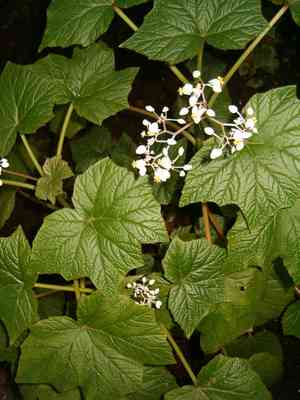
Begonia Grape Leaf, a species within the Begoniaceae family, is recognized for its unique foliage resembling grape leaves. This plant flourishes when propagated via cuttings, a method enabling cultivators to accurately replicate the specimen. To avert illness, leaf or stem sections ought to be harvested with disinfected tools, and a rooting compound can assist in root formation. These sections need to be situated in an appropriate substrate, such as perlite or vermiculite, which should remain damp yet not waterlogged. Supplying diffused illumination and steady moisture will foster the emergence of roots and fresh vegetation.
Optimal Period for Grape Leaf Begonia Propagation
Propagation Method
Cuttings
Propagation Period
Spring,Summer
Essential Tools for Grape Leaf Begonia Propagation
Sharp pruning shears
These are crucial for making clean cuts on Grape Leaf Begonia stems, minimizing disease risk and damage. Precise cuts promote faster healing and rooting.
Rooting hormone powder
This product encourages root development from Grape Leaf Begonia cuttings, boosting propagation success. It helps cut sections form strong, healthy roots more rapidly than untreated ones.
Sterile potting mix
A well-draining, sterile potting medium is vital for Grape Leaf Begonia cuttings to prevent contamination and ensure proper moisture. This substrate offers an ideal environment for new roots to grow without microbial competition.
Propagation trays
These trays are beneficial for organizing and managing multiple Grape Leaf Begonia cuttings efficiently. They help maintain the necessary humidity and temperature for root development.
Plastic covers or humidity domes
Maintaining high humidity is essential for Grape Leaf Begonia cuttings to prevent water loss and encourage rooting. These covers fit over trays to create a microclimate with optimal humidity.
Propagating Grape Leaf Begonia: A Guide
Propagation Difficulty
Easy
Post-Propagation Care for Your Grape Leaf Begonia
Post-Propagation Care for Your Grape Leaf Begonia
Once roots are established, typically after [6-8 weeks], gradually introduce Grape Leaf Begonia to its regular growing conditions. Position Grape Leaf Begonia in a spot with bright, indirect light and maintain high humidity through misting or a humidity tray. Water the soil when the top inch feels dry, avoiding saturation. Fertilize Grape Leaf Begonia bi-weekly with a balanced, half-strength water-soluble fertilizer during the growing season. Regularly inspect for pests and diseases, and remove any dead or dying foliage to keep Grape Leaf Begonia healthy and thriving.
Common Errors to Avoid When Propagating Grape Leaf Begonia
Overwatering
Excess moisture can lead to root rot and fungal issues, severely impacting Grape Leaf Begonia's health and hindering root development during propagation.
Using non-sterile tools
Unsanitized cutting tools can introduce pathogens to Grape Leaf Begonia, compromising the cuttings' ability to establish and increasing disease risk.
Deep planting
Burying cuttings too deeply can prevent Grape Leaf Begonia from rooting and sprouting correctly due to insufficient air and light exposure.
Ignoring humidity
Neglecting the need for high humidity can cause Grape Leaf Begonia cuttings to dry out too quickly before they can root.
Poor cutting selection
Choosing weak or diseased cuttings can hinder Grape Leaf Begonia's propagation success, as unhealthy cuttings are less likely to root and grow.
Advice for Propagating Grape Leaf Begonia
Moderate watering
Maintain consistent soil moisture, ensuring it's damp but not waterlogged to support Grape Leaf Begonia's rooting without causing rot.
Sterilize tools
Use sterilized cutting tools to prevent infecting Grape Leaf Begonia with diseases, protecting the health of the cuttings during propagation.
Shallow planting
Plant Grape Leaf Begonia cuttings shallowly to provide adequate air and light, enhancing root and shoot development.
Maintain humidity
Create a humid environment for Grape Leaf Begonia cuttings, such as using a plastic cover, to prevent desiccation and encourage rooting.
Healthy cutting selection
Choose robust and disease-free Grape Leaf Begonia cuttings to increase the chances of successful rooting and vigorous growth.



