The Hidden Danger in Your Home? Unmasking the Toxicity of the Grape Leaf Begonia Plant.
1
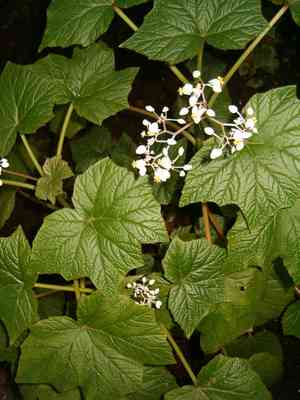
Grape Leaf Begonia has soluble calcium oxalates, which are toxic if consumed, resulting in signs such as a burning sensation in the mouth and throat.
2
Cats experience mouth irritation and throw up after eating any part of Grape Leaf Begonia because of its poisonous properties.
3
Dogs consuming Grape Leaf Begonia show symptoms like excessive drooling and sluggishness; prompt veterinary attention is crucial.
Is Grape Leaf Begonia harmful to people?
Grape Leaf Begonia exhibits a moderate degree of toxicity to humans, mainly if consumed. The whole plant contains soluble calcium oxalates, which are responsible for its poisonous properties. Upon ingestion, these oxalates can bind with calcium in the body, resulting in various symptoms. People might feel a burning sensation in their mouth and throat, swelling of the lips, tongue, and throat, trouble swallowing, and digestive upset, including nausea, vomiting, and diarrhea. It's vital for individuals, particularly those with children or pets, to be aware of the potential dangers and prevent accidental consumption of any part of Grape Leaf Begonia.
Is Grape Leaf Begonia harmful to felines?
Grape Leaf Begonia presents a low toxicity risk to cats, who might accidentally eat parts of the plant. If consumed, cats could show symptoms such as mouth irritation, pawing at their mouth, reduced appetite, throwing up, and trouble swallowing. The entire Grape Leaf Begonia contains soluble calcium oxalates, contributing to its toxic characteristics. Cat owners should observe their pets and, if any signs of poisoning emerge, quickly get professional veterinary help.
Is Grape Leaf Begonia harmful to canines?
Grape Leaf Begonia presents a low toxicity risk to dogs. When dogs accidentally consume any part of Grape Leaf Begonia, they might experience poisoning symptoms due to the plant's soluble calcium oxalates. The entire plant is toxic, and ingestion can lead to signs like vomiting, diarrhea, excessive drooling, or sluggishness. If you suspect your dog has eaten Grape Leaf Begonia, it is crucial to seek immediate veterinary attention to manage the symptoms effectively.



