How Often Should You Water Your Polka dot begonia?
1
Hydrate your Polka dot begonia on a weekly basis. Modify how often you water according to the plant's requirements and your indoor conditions.
2
Maintaining consistently damp, but not saturated, soil is crucial for a thriving Polka dot begonia.
3
Utilize filtered water at ambient temperature to prevent shocking the plant due to abrupt thermal shifts.
Deciphering the Hydration Requirements of Polka Dot Begonia
Indicators of Adequate Moisture
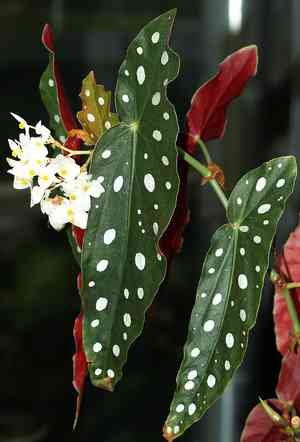
A flourishing Polka dot begonia will display vibrant, lush green foliage adorned with prominent white speckles. The substrate should feel somewhat damp to the touch, not saturated. If its leaves are firm and erect, you can be confident your plant is sufficiently hydrated.
Repercussions of Excessive Watering
Over-irrigating can be detrimental to your Polka dot begonia. Symptoms include yellowing leaves, a soft stem base, and a general decline in vitality. Excessively wet soil leads to root rot, which can ultimately be fatal. Always ensure the container has proper drainage to prevent water accumulation.
Symptoms of Insufficient Watering
Under-watering a Polka dot begonia can be equally harmful. Signs of dehydration include drooping leaves, dry or brittle leaf margins, and stunted development. The soil may appear parched and recede from the pot's edges. If these indicators are present, it's time to increase your watering frequency.
Optimal Strategies for Irrigating Polka Dot Begonia
When to Hydrate: Establishing a Schedule
A weekly watering routine typically serves as a solid starting point for your Polka dot begonia. Nevertheless, it's vital to assess soil moisture before each watering. Insert your finger approximately an inch (2.5 cm) into the soil; if it feels dry, it's time to water. During warmer months, your plant might require more frequent hydration.
How to Hydrate: Methods for Optimal Moisture
Watering from above ensures uniform distribution. Irrigate thoroughly until water begins to exit the pot's base. This helps flush away surplus salts and minerals. Be sure to empty the drainage saucer to avoid waterlogging. Drip irrigation systems or a simple watering can with a long nozzle can make watering easier and more effective.
The Impact of Seasonal Variations on Watering
Your Polka dot begonia's watering demands will fluctuate with the seasons. In summer, elevated temperatures and light levels mean your plant will likely need more water. Conversely, during winter, reduce the frequency as the plant's growth slows, and the risk of over-watering increases.
Choosing the Appropriate Water and Implements for Polka Dot Begonia
Selecting the Best Water Quality
The quality of water you provide can significantly affect your Polka dot begonia's health. Tap water often contains high levels of minerals and chemicals like chlorine, which can harm the plant over time. Opt for filtered or collected rainwater if available. Ensure the water is at room temperature to avoid shocking the roots.
Essential Equipment for Effective Hydration
Possessing the right tools can enhance the efficiency of watering your Polka dot begonia. A watering can with a slender spout is excellent for directing water to the plant's base. Moisture meters can help you accurately assess soil dampness, ensuring you only water when necessary. Furthermore, utilizing pots with adequate drainage is crucial to prevent water from accumulating at the bottom.



