How to Transplant Polka dot begonia?
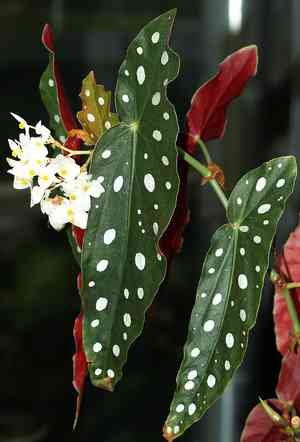
During the agreeable warmth from late spring through early summer, polka dot begonia benefits from repotting. Optimal circumstances involve a partially shaded spot with soil that drains effectively. When repotting, carefully separate the root masses to ensure a thriving beginning. Enjoy cultivating!
What Preparations are Needed Before Transplanting Polka Dot Begonia?
What is the Ideal Time for Transplanting Polka Dot Begonia?
The best period for relocating polka dot begonia is late spring transitioning into early summer. This timeframe offers consistent temperatures and ample sunlight. Such conditions promote polka dot begonia growth, allowing sufficient time for root establishment prior to colder months. It provides an encouraging start for the plant. A timely transplant will yield positive outcomes, so mark this in your gardening schedule!
How Much Space Should You Leave Between Polka Dot Begonia Plants?
To provide your polka dot begonia adequate room for development, ensure they are spaced approximately 1-2 feet (30-60 cm) apart. This spacing will allow their roots ample area to expand and prevent overcrowding.
What is the Best Soil Mix for Polka Dot Begonia Transplanting?
For a thriving polka dot begonia, prepare the soil using a blend of well-draining potting mix and some compost. Incorporate a balanced, slow-release fertilizer to supply essential nutrients and maintain a slightly acidic pH level in the soil.
Where Should You Relocate Your Polka Dot Begonia?
Select a spot that receives bright, indirect sunlight, as polka dot begonia can be sensitive to intense sun exposure. Filtered light, such as beneath a canopy of trees, would be perfect for your lovely plant!
What Equipments Should You Prepare Before Transplantation Polka Dot Begonia?
Gardening Gloves
To safeguard your hands while handling soil and polka dot begonia.
Transplanting Shovel or Spade
Necessary for excavating a hole in the ground for the polka dot begonia. It's also useful for loosening the earth around the polka dot begonia when preparing for relocation.
Garden Trowel
For more precise tasks like extracting the polka dot begonia from a pot or seedling tray and moving soil once the plant is in its new cavity.
Watering Can
Crucial for hydrating the plant both before and after the relocation process.
Garden Hose
Helpful for moistening the ground where the polka dot begonia will be transplanted.
How Do You Remove Polka Dot Begonia from the Soil?
How Do You Remove Polka Dot Begonia from the Soil?
From Ground: First, water the polka dot begonia to moisten the soil. Using a spade or transplanting shovel, dig a wide trench around the polka dot begonia, being careful to avoid damaging the root ball. Gently work the spade beneath the root ball, carefully prying it from the ground to lift the polka dot begonia from its original spot.From Pot: Begin by watering the polka dot begonia in the pot; this will facilitate the removal process. Turn the pot sideways and, with your hand supporting the base of the polka dot begonia, attempt to slide the entire root ball out. If the polka dot begonia is stuck, gently tap the sides of the pot to loosen it.From Seedling Tray: When removing polka dot begonia from a seedling tray, water the soil and gently squeeze the base of each cell or push up from the bottom. Use a garden trowel to assist in lifting the seedling if necessary.
Step-by-Step Guide for Transplanting Polka Dot Begonia
Preparation
Once your transplant site is ready, take your polka dot begonia and position it in the hole. The top of the plantâs root ball should be level with or slightly below the ground's surface.
Planting
Backfill around the polka dot begonia, gently firming the soil as you proceed. Ensure no roots remain exposed.
Watering
Immediately after planting, thoroughly water the polka dot begonia, saturating the surrounding soil. This aids in soil settlement and eliminates any air pockets. Use a garden hose or watering can for this step.
Adjusting
Throughout the initial few days, observe the polka dot begonia and make necessary adjustments. If it appears to be drooping, it might require staking for support.
How Do You Care For Polka Dot Begonia After Transplanting?
Monitoring
Regularly inspect the polka dot begonia for indications of transplant shock, such as wilting, yellowing leaves, and stunted growth. If these symptoms appear, adjust watering amounts and refrain from high fertilizer use until recovery.
Watering
Keep the polka dot begonia adequately hydrated, without overdoing it. Under-watering is generally preferable to over-watering.
Pruning
If the polka dot begonia doesnât revive within about a week after transplanting, consider light pruning to lessen stress on the plant.
Troubleshooting Common Issues with Polka Dot Begonia Transplantation.
When's the optimal transplanting period for polka dot begonia?
The ideal time to transplant polka dot begonia spans from late spring to the beginning of summer.
What should the spacing be when transplanting polka dot begonia?
It's advisable to maintain a distance of 1 to 2 feet (approximately 30 to 60 cm) between each polka dot begonia during transplantation.
How to prepare polka dot begonia for transplanting?
First, gently moisten the soil. Then, carefully dig around the polka dot begonia to loosen the earth, preserving as many roots as possible.
What kind of soil is suitable for transplanting polka dot begonia?
Polka dot begonia prefers rich, well-draining soil. It's crucial to prevent waterlogging, which can harm the root system.
How deep should I plant the polka dot begonia when transplanting?
Excavate holes that are roughly 6 inches (15 cm) deep. Polka dot begonia should be planted at the same depth they were originally growing.
How should I water polka dot begonia after transplanting?
Water polka dot begonia thoroughly after relocation. The soil should be moist, but ensure to avoid excessive waterlogging.
How should I care for polka dot begonia post-transplant?
Maintain consistent watering and ensure the polka dot begonia receives indirect light. They prefer cooler temperatures and slightly humid conditions.
What is the best location for transplanting polka dot begonia?
Polka dot begonia thrives in bright but indirect sunlight. When transplanting, place them in a spot where they can avoid intense midday sun.
What to do if the leaves of polka dot begonia start wilting after transplanting?
Wilting can signal overwatering or insufficient sunlight. Adjust accordinglyâif overwatering, allow soil to dry out somewhat before rewatering, or otherwise, consider changing the location.
How frequently should polka dot begonia be transplanted?
Polka dot begonia generally doesn't require frequent transplanting. Once every 2-3 years should suffice, or when the plant appears to outgrow its container.



