Optimal Fertilizer for Growing Polka dot begonia: What You Need to Know
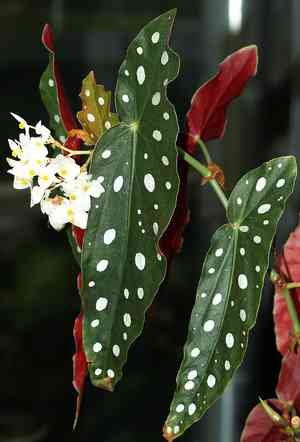
1
To achieve optimal growth, feed your Polka dot begonia bimonthly throughout its active growing period.
2
Ensure to always dilute plant food to 50% of the suggested concentration to prevent excessive feeding.
3
Look out for foliage turning yellow, as this may signal a lack of essential nutrients in your Polka dot begonia.
Deciphering the Dietary Needs of Polka dot begonia
Essential Nutrients for Polka dot begonia
For optimal health, your Polka dot begonia needs a balanced array of vital nutrients. These include nitrogen (N) for vigorous leaf development, phosphorus (P) for robust root systems, and potassium (K) for overall plant vitality. Trace elements such as magnesium, calcium, and iron are also critical for vibrant foliage and strong growth. Consistent provision of these nutrients ensures your Polka dot begonia stays healthy and lush throughout its lifecycle.
Indicators of Nutrient Deficiency
It's crucial to observe your Polka dot begonia for symptoms of nutrient scarcity. Typical signs include yellowing of leaves, hindered growth, and browning at the leaf edges. For instance, a lack of nitrogen often results in pale or yellowish foliage, while insufficient phosphorus can lead to weak roots and dark or purplish leaves. Early detection and correction of these problems help maintain the plant's overall well-being and visual appeal.
Selecting the Appropriate Fertilizer for Polka dot begonia
Fertilizer Varieties Suitable for Polka dot begonia
Several fertilizer types can be used for Polka dot begonia. Water-soluble formulas are convenient, as they can be dissolved in water and applied directly to the soil or foliage. Slow-release fertilizers offer another option, delivering a steady supply of nutrients over an extended period. Make sure to select a balanced fertilizer (like 10-10-10 or 20-20-20) to ensure equal amounts of nitrogen, phosphorus, and potassium are provided.
Organic Versus Synthetic Fertilizers
Understanding the distinction between organic and synthetic fertilizers can help you make an informed decision for your Polka dot begonia. Organic fertilizers, such as compost or fish emulsion, originate from natural sources and enhance soil quality over time. Synthetic fertilizers, in contrast, are chemically formulated to offer immediate nutrient availability. While organic choices are generally safer and promote long-term soil health, synthetic fertilizers can be more convenient and efficient for rapid nutrient delivery.
Fertilization Schedule for Your Polka dot begonia
Fertilizing During Active Growth
The active growth phase for Polka dot begonia typically runs from spring through summer. During this period, fertilize your plant every two weeks to guarantee it receives sufficient nutrients for peak growth. Aligning fertilization frequency with the plant's active growth is essential to support its vibrant foliage and vigorous development.
Reducing Fertilization During Dormancy
As the growing season concludes and the Polka dot begonia enters its resting phase, usually in late autumn and winter, decrease fertilization. Applying fertilizer every 4 to 6 weeks during these months is adequate. Excessive fertilization during dormancy can harm the plant due to decreased nutrient uptake and slowed metabolic processes.
Detailed Guide to Fertilizing Polka dot begonia
Preparing the Fertilizer Mixture
Start by choosing a balanced, water-soluble fertilizer. Dilute it to half the strength recommended by the manufacturer using water. For instance, if the instructions suggest mixing 5 milliliters (1 teaspoon) of fertilizer per 4 liters (1 gallon) of water, use only 2.5 milliliters (½ teaspoon). This dilution helps prevent over-fertilization, which can damage the plant.
Application Methods for Optimal Nutrient Absorption
Apply the diluted fertilizer directly to the soil around the base of the Polka dot begonia. Ensure the soil is damp beforehand, as applying fertilizer to dry soil can cause root harm. For an added boost, you can also lightly mist the leaves with the fertilizer solution; foliar feeding allows for rapid nutrient uptake. Remember to avoid overly wetting the leaves, especially in humid conditions, to prevent fungal issues.
Typical Fertilization Errors to Avoid with Polka dot begonia
Risks and Repercussions of Over-fertilization
One of the most frequent errors when fertilizing Polka dot begonia is applying too much. Excessive fertilizer can lead to nutrient burn, causing leaf edges to turn brown and dry out. Moreover, an abundance of fertilizer can injure roots and disrupt the balance of soil nutrients, resulting in reduced plant health and growth.
Indicators of Over-Fertilization and Corrective Measures
Symptoms of over-fertilization in your Polka dot begonia include yellowing foliage, stunted development, and a white crust forming on the soil surface. To fix this, thoroughly rinse the soil with water to wash away surplus nutrients. Ensure adequate drainage to prevent root rot. Re-establish a more appropriate fertilization schedule once the plant shows signs of recovery.



