Optimal Soil for Growing Polka dot begonia: What You Need to Know
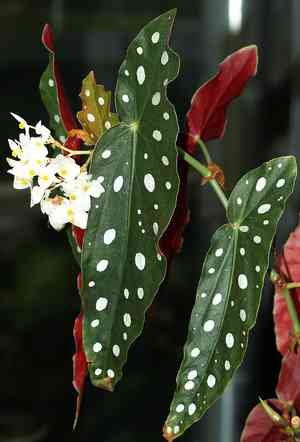
1
Polka dot begonias flourish in well-draining substrate to avoid root decay.
2
An optimal soil acidity range of 6.5 to 7.5 is essential for robust development.
3
Periodically changing the growing medium helps foster a more vigorous root network.
What Type of Growing Medium is Best for Polka dot begonia?
Medium Composition
The Polka dot begonia thrives in a well-draining substrate that is rich in organic material. A premium potting mix, specifically formulated for indoor plants, is an excellent option. Such mixes typically contain a balanced blend of sphagnum peat, perlite, and vermiculite, creating a hospitable environment for your begonia. Sphagnum peat assists with moisture retention, while perlite and vermiculite ensure the medium remains aerated and drains efficiently, preventing root-related problems like rot. Incorporating organic compost can also enhance the substrate's composition, supplying crucial nutrients that promote vigorous development.
Medium pH Levels
The pH level of the growing medium plays a crucial role in the vitality of your Polka dot begonia. These plants flourish in slightly acidic to neutral pH ranges, specifically between 6.5 and 7.5. Maintaining this pH window ensures your begonia can effectively absorb nutrients from the medium. You can use at-home pH testing kits, readily available at garden centers, to monitor the pH level. If adjustments are needed, organic amendments such as lime (to elevate pH) or sulfur (to reduce pH) can help maintain an optimal environment. Consistent testing, every few months, will help you preempt any potential pH imbalances that might negatively impact your plant.
How to Prepare the Growing Medium for Polka dot begonia
Medium Enhancements
To craft the ideal growing medium for Polka dot begonia, incorporating the correct enhancements is vital. Begin with a base of well-draining potting mix and supplement it with specific additives. Blending in organic matter like compost or thoroughly decomposed manure can significantly boost medium fertility, providing your plant with essential nutrients. Additionally, adding perlite or small quantities of sand can further enhance drainage. If opting for garden soil, ensure it's sterilized to prevent pests and diseases. A mixture of 60% potting mix, 20% perlite, and 20% organic matter proves highly effective for these decorative plants.
Mixing the Medium
Properly combining the growing medium is essential to ensure a uniform substrate for your Polka dot begonia. Start by thoroughly blending your chosen potting mix with any selected amendments. Use a large container or wheelbarrow to mix 60% quality potting substrate, 20% perlite, and 20% compost or similar organic material. Ensure all components are evenly distributed for consistency. The final mix should feel light and crumbly, indicating good aeration and drainage properties. Once combined, fill your pots or garden beds, gently firming the medium around the roots to provide support without compacting the mix.
Common Growing Medium Issues and Solutions for Polka dot begonia
Excess Watering and Root Decay
One of the primary challenges in cultivating Polka dot begonia is preventing overwatering, which can lead to root decay. These plants require moist but well-drained substrate to thrive. Ensure pots have sufficient drainage holes, and consider using a layer of gravel at the bottom to facilitate excess water runoff. Irrigate your begonia when the upper inch (2.5 cm) of the medium feels dry to the touch. If root decay is suspected, carefully remove the plant from its container, trim away affected roots, and repot using fresh, dry substrate. Monitoring and adjusting irrigation habits is crucial to preventing recurrence.
Medium Compaction
Growing medium compaction is another frequent problem for Polka dot begonia, restricting root growth and oxygen availability. To counter this, regularly aerate the substrate by gently poking holes using a pencil or skewer, being careful not to damage the roots. Incorporating perlite or vermiculite during the initial planting phase also helps prevent future compaction. If the medium becomes severely compacted, repotting the plant with new, well-aerated substrate may be necessary. Furthermore, avoid pressing down too firmly when planting, as this can compact the medium and impede root development.
Best Practices for Sustaining Medium Health
Regular Medium Analysis
Consistently healthy growing medium is vital for the well-being of your Polka dot begonia. Conducting regular medium analyses, at least twice annually, can help you monitor pH levels and nutrient content. Home testing kits are convenient and user-friendly, offering quick insights into your medium's condition. By identifying any deficiencies or imbalances early, you can make necessary adjustments, such as adding fertilizers or pH correctives, to maintain optimal growing conditions. Understanding your medium's health helps you proactively manage potential issues, ensuring your plant remains vibrant and healthy.
Periodically Renewing the Medium
Renewing the growing medium every 12-18 months is a best practice for maintaining the vitality of your Polka dot begonia. Over time, the medium can deplete in nutrients, becoming compacted and less effective in supporting plant growth. Repotting with fresh medium reinvigorates the plant, providing it with a renewed source of nutrients and improved aeration. Carefully remove the begonia from its container, gently shaking off old medium from the roots, then replant it in a mixture of fresh potting mix, perlite, and organic matter. This process encourages healthier, more robust growth, ensuring your plant flourishes year-round.



