How to Prune Polka dot begonia?
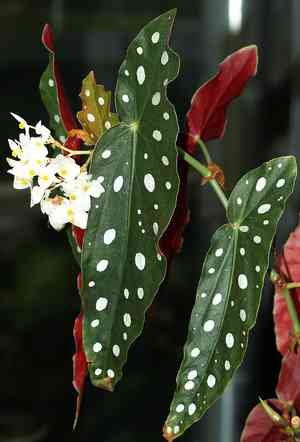
Renowned for its speckled foliage and delicate blossoms, polka dot begonia flourishes with consistent pruning. Nip off the ends to foster a denser growth habit, and discard withered or discolored leaves to preserve its well-being. Perform pruning from early spring through late autumn, during the plant's active growth phase. Trimming while the plant is dormant can cause stress to polka dot begonia. Routine trimming deters elongated stems, encourages a greater abundance of flowers, and yields a more robust specimen.
What Are the Benefits of Pruning Polka Dot Begonia?
What Are the Benefits of Pruning Polka Dot Begonia?
Trimming polka dot begonia promotes more vigorous development, enabling the plant to achieve a denser, more compact shape. This results in a healthier, more visually appealing specimen with lush foliage.
What Is the Best Time for Pruning Polka Dot Begonia?
What Is the Best Time for Pruning Polka Dot Begonia?
Early spring trimming reshapes polka dot begonia and eliminates any winter damage, stimulating new growth as the plant enters its active growing period. Pruning at this time ensures polka dot begonia has sufficient energy to heal and produce fresh foliage. Late fall is suitable for light trimming to maintain the plantâs form and remove any leggy or sparse stems before the dormant winter phase. Trimming during these seasons aligns with polka dot begonia's growth cycle, preventing stress to the plant during less vigorous growth stages. This timing also minimizes the risk of disease and pest infestation.
What Tools Do I Need to Prune Polka Dot Begonia?
Sharp Bypass Pruners
Perfect for making clean cuts on polka dot begonia's stems without crushing them, ensuring healthy regrowth.
Precision Pruning Snips
These are ideal for deadheading polka dot begonia and trimming small or delicate stems that require precise control.
Sterile Cloths or Alcohol Wipes
To clean the pruning tools before and after use, which prevents the spread of diseases to polka dot begonia.
Gloves
While not a cutting tool, gloves protect your hands when pruning polka dot begonia and can prevent the spread of potential skin irritants.
How to Prune Polka Dot Begonia
Step1: Inspect for Pruning
Examine polka dot begonia thoroughly to identify parts that need pruning such as yellow leaves, spotted leaves, and withered branches. Use clean, sharp pruning shears or scissors for this process.
Step2: Remove Yellow Leaves
Begin with yellow leaves which indicate aging or poor plant health. Locate a healthy leaf node near the yellow leaf, make a clean cut just above that node. Avoid tearing or crushing the tissue.
Step3: Eliminate Spotted Leaves
Proceed to spotted leaves, which may suggest a pest issue or disease. Remove these leaves to prevent any potential spread. Cut the leaf stem near the base but be careful not to harm adjacent stems or leaves.
Step4: Prune Withered Branches
Trim withered branches to encourage growth and maintain the plantâs shape. Cut back the withered branches to a point where there is healthy, green growth. Make the cut at a 45-degree angle to facilitate healing and prevent water accumulation.
Step5: Cleanup Pruned Debris
After trimming, remove all the cuttings from the soil surface to prevent rotting and fungal disease.
Step6: Hydrate After Pruning
Water polka dot begonia sufficiently after pruning, as the plant may need hydration to recover from the stress of trimming.
Step7: Disinfect Pruning Tools
Sanitize your pruning tools after finishing to prevent the spread of any disease to other plants.
Step8: Monitor Plant Recovery
Observe polka dot begonia after pruning for signs of recovery or further issues. New growth should emerge from pruned areas, indicating a successful pruning process.
Post-Pruning Care for Polka Dot Begonia
Post-Pruning Care for Polka Dot Begonia
After pruning, immediately water polka dot begonia to aid in recovery. Maintain a well-lit environment without direct sunlight to prevent stress. Ideal temperatures range from 65-75°F with high humidity; mist leaves if air is dry. Fertilize with a balanced, diluted solution after two weeks to support new growth. Regularly inspect polka dot begonia for wilting or discoloration, indicators of stress or infection, and address promptly with appropriate care or treatment.
Common Pruning Mistakes with Polka Dot Begonia
Over-Pruning Causes Plant Shock
Trimming too much at once, which can shock polka dot begonia and hinder its ability to recover and grow properly.
Unclean Tools Lead to Disease
Using dull or unsanitized pruning tools, which can cause jagged cuts and introduce pathogens, potentially leading to disease in polka dot begonia.
Ignoring Dead Leaves Invites Pests
Failing to remove dead or yellowing leaves, which can deplete polka dot begonia's energy and can also attract pests to infest the plant.
Common Pruning Tips for Polka Dot Begonia
Sanitize Tools to Prevent Disease
Sterilize your pruning tools before and after use to prevent the spread of disease when trimming polka dot begonia.
Clean Cuts Above Nodes for Growth
Make clean cuts just above leaf nodes or branching stems to encourage new growth and maintain the aesthetic shape of polka dot begonia.
Prune Damaged Sections Gradually
Focus on removing only dead or damaged leaves and stems, and limit pruning to small sections at a time to avoid causing stress to polka dot begonia.
Selective Pruning Boosts Flowering
When aiming to stimulate flowering, selectively prune older stems which can help redirect polka dot begonia's energy towards the development of blooms.



