How to Propagate Polka dot begonia?
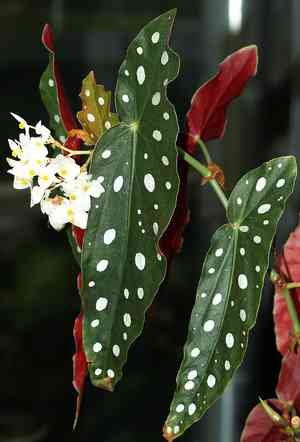
Polka dot begonia can be multiplied using either entire leaf or soft stem sections during the spring or summer seasons. This technique presents a moderate challenge, and successful multiplication is indicated by the emergence of roots. Maintain the cuttings in a humid, warm setting, and refrain from excessive watering to avert decay.
Optimal Period for Polka Dot Begonia Propagation
Propagation Method
Cutting
Propagation Period
Spring, Summer
Tools Required for Polka Dot Begonia Propagation
Sharp Pruning Shears
These are crucial for obtaining clean cuts from the parent polka dot begonia, minimizing the risk of infection and harm to both the cutting and the main plant.
Rooting Hormone Powder
This promotes faster root development on polka dot begonia cuttings. Dipping the cut end into the hormone stimulates the rooting process, which is vital for more delicate polka dot begonia cuttings.
Sterile Potting Mix
Offers a safe and clean growing medium for new polka dot begonia cuttings, preventing fungal and bacterial growth and ensuring a healthy start for root development.
Small Pots or Propagation Trays
These containers are used to plant polka dot begonia cuttings after preparation. They should be clean and well-draining to support healthy root growth.
Plastic Bags or Propagation Domes
Creating a humid microclimate helps maintain necessary humidity levels around polka dot begonia cuttings, improving survival rates during root establishment.
Heat Mat
Especially useful for maintaining the polka dot begonia cuttings' root zone at an ideal temperature, which encourages quicker root growth and prevents root rot.
Watering Tool with Fine Mist Setting
Ensures gentle watering of polka dot begonia cuttings without disturbing the soil or damaging delicate new roots, maintaining appropriate moisture levels.
Labeling Tags
These aid in tracking propagation batches and dates, important for monitoring polka dot begonia cuttings' progress and ensuring chronological care throughout the propagation process.
How to Propagate Polka Dot Begonia?
Propagation Method
Cutting
Difficulty Level
Easy
Caring for Your Newly Propagated Polka Dot Begonia
Caring for Your Newly Propagated Polka Dot Begonia
Provide polka dot begonia with bright, indirect light and high humidity. Water when the topsoil feels dry. Fertilize monthly with a balanced liquid feed during the growing season. Ensure adequate pot drainage to prevent root rot. Regularly inspect for and treat pests. Prune as needed to encourage bushier growth and remove yellowing leaves.
Common Errors to Avoid When Propagating Polka Dot Begonia
Overwatering cuttings
Excessive watering of polka dot begonia cuttings can lead to root rot before roots can even form. Cuttings require less water than mature plants and should be kept merely moist.
Using dull cutting tools
Cutting polka dot begonia with blunt tools can crush stems instead of making clean slices, potentially damaging the vascular system and hindering root growth.
Cutting overly short stem segments
If stem segments are too short, they may lack sufficient nodes, which are crucial for root and shoot development in polka dot begonia.
Ignoring humidity requirements
Failure to provide high humidity for polka dot begonia cuttings can cause them to dry out and wilt, as they haven't yet developed roots to absorb moisture.
Planting directly in soil without rooting hormone
While polka dot begonia can root without it, using rooting hormone increases success rates by stimulating root growth and helping prevent disease.
Tips For Propagating Polka Dot Begonia
Use healthy parent plants
Only propagate from robust polka dot begonia specimens to ensure cuttings have the best chance of survival and growth.
Select the right stem cutting
Choose polka dot begonia cuttings with a few leaves and at least one node, as root growth will initiate from the node.
Ensure a sterile environment
Use sanitized equipment and containers to prevent introducing pathogens to polka dot begonia cuttings.
Maintain optimal humidity
Keep polka dot begonia cuttings in a high humidity environment, such as a propagator or a clear plastic bag with air holes, to prevent dehydration.
Be patient
Root development in polka dot begonia takes time. Monitor cuttings for root growth, but avoid disturbance which can damage delicate new roots.



