Enhancing Your Garden Design with the Polka dot begonia Plant: A Landscaping Guide
1
The Polka dot begonia offers a distinctive visual charm to contemporary garden layouts.
2
Combining Polka dot begonia with suitable companion plants can produce striking visual differences in your outdoor space.
3
Eco-friendly methods like mindful irrigation and natural cultivation techniques can ensure the Polka dot begonia flourishes throughout the year.
Introducing Polka dot begonia in Modern Landscaping
Aesthetic Appeal: The unique look of Polka dot begonia
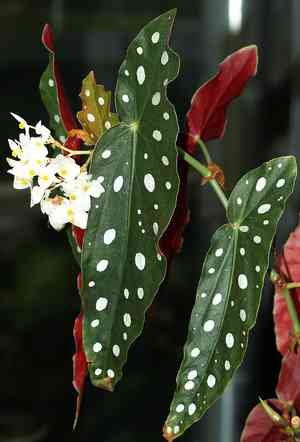
To elevate the visual charm of contemporary outdoor spaces, Polka dot begonia shines with its captivating appearance. The plant's striking foliage, marked by its elegant patterns and hues, becomes a focal point in any garden design. Its aesthetic appeal surpasses the ordinary, offering a mix of sophistication and allure that can enhance your garden's visual impact. Whether your landscaping style is modern or diverse, adding Polka dot begonia brings a touch of distinctiveness that attracts attention and earns admiration.
Adding Color and Texture: Utilizing Polka dot begonia's features
The vivid colors and rich textures of Polka dot begonia infuse vitality and energy into landscape designs. Its leaves, often dotted with contrasting spots, contribute both color and texture to garden beds and borders. This plant doesn't just blend in; it stands out, providing a rich tapestry of lush greens, deep reds, and crisp whites. Effective use of Polka dot begonia involves placing it where its colors can truly stand out, creating visual interest and breaking up monotonous green areas. Combine it with plants of varied leaf shapes and shades to maximize its textural contribution to your landscape.
Placement Tips: Where to plant Polka dot begonia for best visual impact
To fully leverage the beauty of Polka dot begonia, strategic positioning is crucial. Consider borders and pathways where it can be easily appreciated. Its distinctive foliage makes it an ideal candidate for container gardening, allowing it to be relocated to suit your design needs. Another excellent spot for Polka dot begonia is as a central feature in garden beds, letting its decorative leaves truly shine. Ensure Polka dot begonia receives partial shade to mimic its natural environment, shielding it from intense midday sun while still getting sufficient light to flourish.
Pairing Polka dot begonia with Other Plants
Complementary Plants: Ideal neighbors for Polka dot begonia
Choosing the right companions for Polka dot begonia enhances its beauty and the overall garden aesthetic. Plants with contrasting or complementary colors can highlight Polka dot begonia's unique characteristics. For instance, pair Polka dot begonia with ferns or hostas, whose lush green leaves offer a serene backdrop to Polka dot begonia's vibrant foliage. Additionally, flowering plants with lighter tones, such as white or pale pink, can create a beautiful contrast, allowing Polka dot begoniaâs spotted leaves to take center stage.
Creating Contrasts: Using Polka dot begonia to highlight other plants
Contrasting colors and textures in your garden can create dynamic and visually appealing scenes. Position Polka dot begonia alongside plants with simpler, solid-colored leaves to make its patterned foliage stand out. For example, placing Polka dot begonia next to a dark-leafed plant like black mondo grass or a deep purple heuchera will make its spotted leaves pop. This method accentuates Polka dot begoniaâs beauty while also highlighting the contrasting simplicity of its plant neighbors.
Designing Plant Clusters: Grouping Polka dot begonia for visual effect
Grouping Polka dot begonia with plants of varying heights and colors can produce a cohesive and eye-catching cluster. Begin by choosing a primary focal point with Polka dot begonia and surround it with secondary plants of different shapes and sizes. This arrangement not only highlights Polka dot begonia's unique features but also creates layers and depth in your garden. Additionally, mixing Polka dot begonia with other patterned foliage can produce a visually stimulating effect, making your garden an ongoing feast for the eyes.
Seasonal Considerations for Polka dot begonia
Spring and Summer: Maximizing Polka dot begonia's growth
Spring and summer are prime seasons for Polka dot begonia to flourish. During these warmer months, ensure it gets the right amount of indirect sunlight to promote healthy growth. Regular watering and feeding with a balanced fertilizer can boost its development. Pruning any damaged leaves will also help maintain its beautiful appearance. Keep an eye out for new shoots and encourage growth by providing a supportive environment, such as staking if needed, to maintain its structural integrity.
Fall Preparations: Ready Polka dot begonia for colder weather
As the weather begins to cool in fall, itâs essential to prepare Polka dot begonia for the changes ahead. Start by reducing the frequency of watering to prevent root rot in cooler temperatures. Mulching around the base can help retain moisture and provide some insulation against the cold. Itâs also a good idea to trim any damaged or excess foliage to reduce the plant's stress as it transitions into the dormant period. If you live in a region with harsh winters, consider moving Polka dot begonia indoors to protect it from frost.
Winter Care: Protecting Polka dot begonia during off-season
Winter can be a challenging time for Polka dot begonia, especially in colder climates. If kept outdoors, ensure it is well-protected from frost and cold winds by covering it with a frost cloth or moving it to a more sheltered location. Indoors, Polka dot begonia should be placed in a bright spot, away from direct drafts and with controlled humidity to prevent dry air from affecting its leaves. Continue to monitor water needs but be cautious of overwatering, as the plant's growth slows down during this season.
Sustainable Practices with Polka dot begonia
Water Conservation: Efficient watering strategies for Polka dot begonia
Efficient watering is crucial for the health of Polka dot begonia while also being mindful of water conservation practices. Implement a watering schedule that suits your climateâaim for deep watering sessions rather than frequent shallow ones. Using drip irrigation or soaker hoses can ensure water reaches the roots without unnecessary evaporation. Additionally, mulching can help retain soil moisture and reduce the need for frequent watering.
Organic Gardening: Eco-friendly care for Polka dot begonia
Practicing organic gardening methods benefits Polka dot begonia and the overall ecosystem of your garden. Use organic fertilizers like compost or well-rotted manure to nourish Polka dot begonia sustainably. Companion planting can naturally deter pests, reducing the need for chemical pesticides. Also, encourage beneficial insects like ladybugs and spiders, which keep harmful pests in check without the need for harsh treatments.
Pest Management: Natural ways to protect Polka dot begonia
Protecting Polka dot begonia from pests requires a blend of vigilance and natural pest management strategies. Regularly inspect the plant for signs of common pests like aphids or spider mites. Should you encounter an infestation, consider using natural treatments like neem oil or insecticidal soap. Introducing pest-repellent plants nearby can also deter unwanted visitors. Maintaining plant health through proper care can inherently prevent weaknesses that pests often exploit.



