Boost Growth: How and When to Repot Your Polka dot begonia Plant
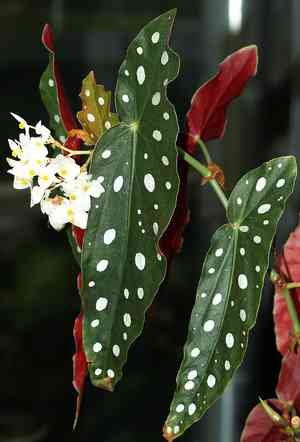
1
The best time to transfer your Polka dot begonia to a new container is during spring.
2
Select a container with a diameter 2-5 cm (1-2 inches) wider than its present one.
3
Employ a potting mix that drains effectively for optimal outcomes.
Why Replant Your Polka dot begonia?
Indicators Your Polka dot begonia Requires a New Pot
Maintaining a thriving plant involves recognizing when it needs additional attention. For your Polka dot begonia, observe roots emerging from drainage openings, soil that dries rapidly post-watering, or a plant appearing top-heavy and unstable. These are clear indications your begonia has outgrown its current container and requires more room to flourish.
Advantages of Replanting for Plant Vitality
Replanting your Polka dot begonia offers several advantages. Fresh substrate introduces new nutrients that encourage development, while a larger container provides roots with more space to spread. Furthermore, repotting can help prevent root decay by enhancing drainage and aeration, contributing to a healthier and more vibrant plant.
When to Replant Your Polka dot begonia
Optimal Season for Replanting
The ideal period to replant your Polka dot begonia is during spring or winter. Spring repotting aligns with the plant's natural growth cycle, providing it with the energy and conditions to adapt to a new pot smoothly. Winter repotting can also be effective, as it prepares the plant for the upcoming growing season.
Determining the Correct Repotting Frequency
Typically, it's advisable to replant your Polka dot begonia every 1-2 years. However, this can vary based on individual plant development and its environmental conditions. Paying attention to the aforementioned signs will help you ascertain when your specific plant needs a change.
Selecting the Appropriate Container and Substrate for Polka dot begonia
Choosing Suitable Pot Dimensions and Features
When selecting a pot, ensure its diameter is 2-5 cm (1-2 inches) larger than the current one. This provides your Polka dot begonia ample space to grow without being overwhelmed. Verify the new pot has sufficient drainage holes to prevent water accumulation at the bottom, which can lead to root rot.
Perfect Soil Mixture for Robust Growth
A well-draining soil blend is essential for your Polka dot begonia's health. A mix comprising peat moss, perlite, and potting soil works exceptionally well. This combination retains moisture without becoming waterlogged, creating an ideal environment for your plant's root system.
Detailed Guide to Replanting Polka dot begonia
Preparing the New Container and Substrate
First, thoroughly clean the new pot with soapy water and allow it to dry. Place a thin layer of gravel or broken pottery pieces at the bottom to assist drainage. Fill the pot with enough of your prepared soil mix so the root ball of your Polka dot begonia sits just below the rim.
Carefully Removing the Plant and Preparing the Root System
Gently extract your Polka dot begonia from its current pot by tilting it sideways and easing the plant out, supporting the stem base. Carefully loosen the roots to remove any old soil, and trim away any dead or decaying roots to encourage healthy new development.
Transferring and Settling Your Polka dot begonia into the New Container
Position the root ball into the new pot, ensuring it rests at the same depth as before. Fill in around the roots with your soil mix, gently pressing down to eliminate air pockets. Water the plant thoroughly to help the soil settle and give your Polka dot begonia a strong start in its new home.
Post-Repotting Care Instructions
After replanting, place your Polka dot begonia in a location with indirect illumination. Avoid direct sunlight until the plant has adjusted to its new pot. Keep the soil consistently moist but not saturated, and observe the plant closely for the next few weeks to ensure it adapts well.



