How to Overwinter Polka dot begonia
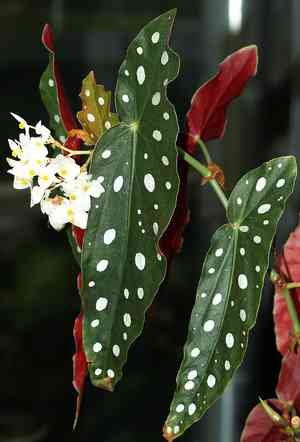
1
The Polka dot begonia is a delicate species, unable to endure freezing temperatures, thus requiring specific winter attention.
2
Ensuring adequate humidity is vital for Polka dot begonia when kept indoors over winter.
3
Slowly introduce your Polka dot begonia to outdoor conditions in spring to prevent stress.
The Importance of Overwintering Polka dot begonia
The Importance of Overwintering Polka dot begonia
Overwintering your Polka dot begonia is vital for its survival through colder periods. As this plant is sensitive to frost, low temperatures can be detrimental. By bringing your Polka dot begonia indoors and providing suitable conditions, you can maintain its health and vigor until warmer weather returns. This practice not only shields it from frost but also allows it to rest and prepare for the next growth cycle.
Getting Your Polka dot begonia Ready for Overwintering
Checking for Pests and Diseases
Before moving your Polka dot begonia indoors, thoroughly check for any indications of pests or diseases. Examine the undersides of leaves and around stems for common problems like aphids, spider mites, or mildew. If any issues are found, treat the plant with an appropriate organic pesticide or insecticidal soap. Ensuring a pest-free plant helps prevent indoor infestations that could spread to other houseplants.
Trimming and Pruning the Plant
Next, trim your Polka dot begonia to remove any dead or yellowed foliage. This reduces the plant's energy use on unhealthy parts and promotes new development. Cut back any overgrown branches to maintain a manageable size indoors. Pruning not only keeps the plant healthy but also makes it easier to fit into your indoor space.
Cleaning the Leaves
Clean the leaves of your Polka dot begonia to remove dust and debris. Use a soft, damp cloth to gently wipe each leaf. This step is crucial for indoor plants as clean leaves can photosynthesize more effectively, which is especially important during the low-light winter months. It also aids in easier detection of pests and diseases.
Optimal Indoor Conditions for Overwintering Polka dot begonia
Light Requirements
Position your Polka dot begonia in a location with bright, indirect illumination. Direct sunlight can scorch the leaves, while insufficient light can cause the plant to become leggy. A north or east-facing window is often ideal, or you can use supplemental grow lights if natural light is inadequate.
Temperature and Humidity
Polka dot begonia thrives in room temperatures between 18-24°C (65-75°F). Maintaining high humidity levels is also essential. You can increase humidity by using a humidifier nearby, regularly misting the plant, or placing it on a tray filled with water and pebbles.
Watering Needs
During winter, Polka dot begonia requires less water than during its active growth period. Water the plant when the topsoil feels dry to the touch. Be careful not to overwater, as this can lead to root rot. Maintain a balance to keep the soil moist but not waterlogged.
Fertilizing During Winter
Reduce the frequency of fertilization during winter. Feed your Polka dot begonia with a diluted, balanced liquid fertilizer once a month. Over-fertilizing can cause a buildup of salts in the soil, which is detrimental to the plant.
How to Transition Polka dot begonia Back Outdoors?
Timing and Gradual Acclimation
Wait until the risk of frost has passed and nighttime temperatures are consistently above 15°C (59°F) before moving your Polka dot begonia back outside. Begin by placing the plant in a shaded, protected area for a few hours daily, gradually increasing the duration and exposure to sunlight over 7-10 days. This helps the plant adapt to outdoor conditions and reduces stress.
Inspecting the Plant Before Moving Outside
Before transitioning your Polka dot begonia back outdoors, inspect it again for pests or diseases. This preventive measure helps avoid spreading issues to your outdoor garden. Address any problems immediately before exposure to the elements.
Final Preparations for the Growing Season
Once your Polka dot begonia is accustomed to outdoor conditions, find a suitable spot with partial shade. Regularly check the soil moisture and adjust your watering schedule as outdoor conditions will cause it to dry out faster. Gradually resume your regular fertilization routine to support the plantâs active growth phase.



